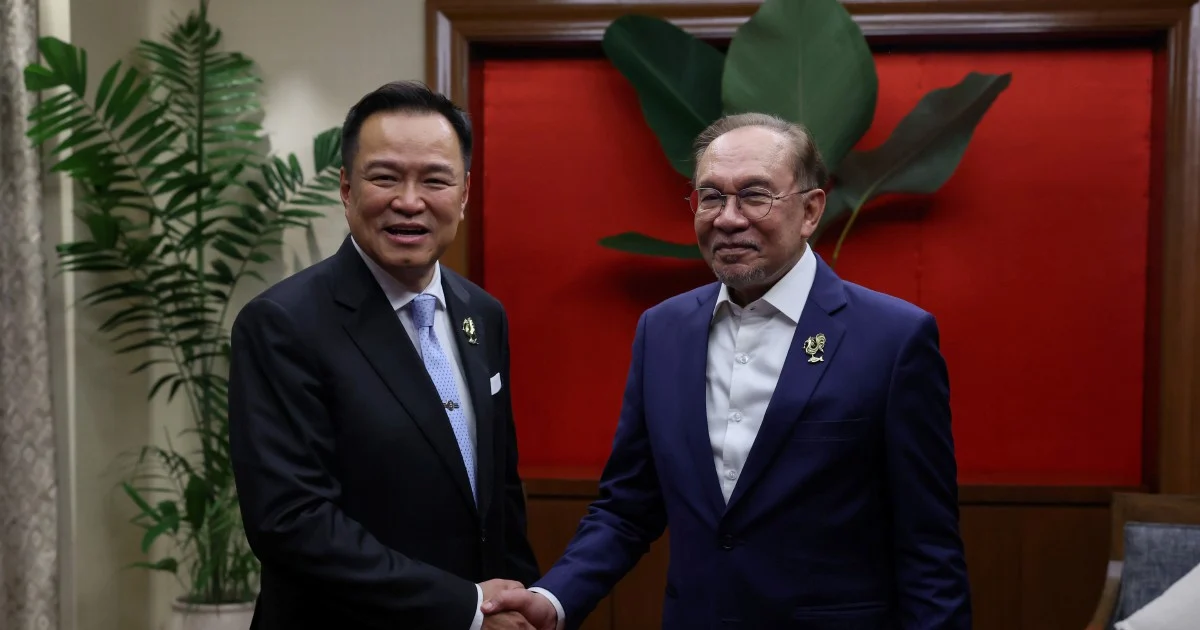
Thai Prime Minister Anutin Charnvirakul is scheduled to arrive in Malaysia on July 9 for a two-day bilateral visit, during which he will hold substantive discussions with Prime Minister Datuk Seri Anwar Ibrahim. The visit represents a key diplomatic engagement between the two neighbouring Southeast Asian nations and reflects the importance both governments place on strengthening bilateral relations at the highest levels.
Border security is poised to feature prominently on the agenda, reflecting longstanding concerns that both countries contend with along their shared frontier. The Malaysia-Thailand border region has historically presented complex security challenges, including issues related to transnational crime, human trafficking, and irregular migration. These phenomena require coordinated responses that leverage the institutional frameworks and law enforcement capabilities of both nations, making high-level political dialogue essential for advancing practical cooperation on the ground.
The visit also signals a commitment to expanding economic partnerships between Malaysia and Thailand, two of the region's most dynamic markets. Bilateral trade relationships remain foundational to prosperity in Southeast Asia, and the discussions between the prime ministers are expected to explore opportunities for deepening commercial ties, facilitating investment flows, and enhancing regional supply chain integration. Both nations have recognised the potential for greater collaboration across manufacturing, technology, and services sectors.
The timing of Anutin's visit comes as both countries navigate broader regional dynamics shaped by geopolitical shifts and economic recovery efforts following global disruptions. Thailand and Malaysia have complementary economic structures and shared interests in maintaining stability throughout Southeast Asia, factors that underscore the relevance of this engagement. Strategic alignment between Bangkok and Kuala Lumpur carries implications that extend beyond bilateral relations, influencing the broader architecture of regional cooperation.
ANWAR's leadership in Malaysia has emphasised pragmatic diplomacy and regional integration, positioning the country as a constructive partner within the Association of Southeast Asian Nations framework. The upcoming visit provides an opportunity to demonstrate this commitment through substantive discussions with a key neighbouring government, while also addressing immediate concerns that affect citizens on both sides of the border.
Transboundary crime networks, including drug smuggling and human trafficking operations, represent pressing security challenges that demand coordinated intelligence sharing and joint enforcement operations. The prime ministerial meeting offers a platform for reviewing the effectiveness of existing cooperation mechanisms and identifying areas where new initiatives could enhance border management and public safety. Advanced technology and data sharing arrangements may feature among the topics under consideration.
Economic cooperation initiatives could encompass trade facilitation measures designed to reduce barriers and streamline customs procedures at border crossings. Enhanced connectivity infrastructure, including improved road and rail links, would benefit consumers and businesses in both nations by lowering transaction costs and reducing supply chain delays. Such investments generate multiplier effects throughout the broader economy and strengthen mutual prosperity.
Malaysia's strategic location within Southeast Asia and its role as a transportation and financial hub make it an attractive partner for Thailand's economic diversification efforts. Similarly, Thailand's manufacturing capabilities and agricultural resources represent valuable opportunities for Malaysian enterprises seeking to expand their regional footprint. The discussions between Anutin and Anwar are likely to explore mechanisms for unlocking these complementary strengths.
Regional stability more broadly underlies the importance of this bilateral engagement. Both governments have vested interests in preventing transnational security threats from destabilising communities or disrupting economic activity. The Myanmar crisis, tensions in the South China Sea, and global economic headwinds all create a context in which strong bilateral relationships become particularly valuable for risk mitigation and coordinated policy responses.
The visit also reflects the reality that no single Southeast Asian nation can effectively address contemporary challenges in isolation. Terrorism, organised crime, pandemics, and climate change all transcend borders, requiring multilateral and bilateral cooperation frameworks that bind countries together through shared problem-solving. Thailand and Malaysia, despite occasional bilateral disputes, maintain fundamental recognition of their interdependence.
For Malaysian observers, the visit underscores the government's commitment to maintaining strong relationships across the region whilst advancing domestic interests. The outcome of discussions on border security and economic cooperation will likely be measured by whether both nations commit to specific, actionable initiatives rather than general statements of intent. Implementation mechanisms and follow-up arrangements will determine whether the visit translates into tangible benefits for citizens and businesses.
The broader significance of Anutin's Malaysia visit extends to how it positions Southeast Asian governments in responding to regional challenges whilst maintaining autonomy in foreign policy decision-making. As a medium-sized power with significant regional influence, Malaysia's approach to bilateral engagement with neighbours like Thailand shapes the trajectory of regional cooperation and the distribution of benefits across the community of Southeast Asian nations.

