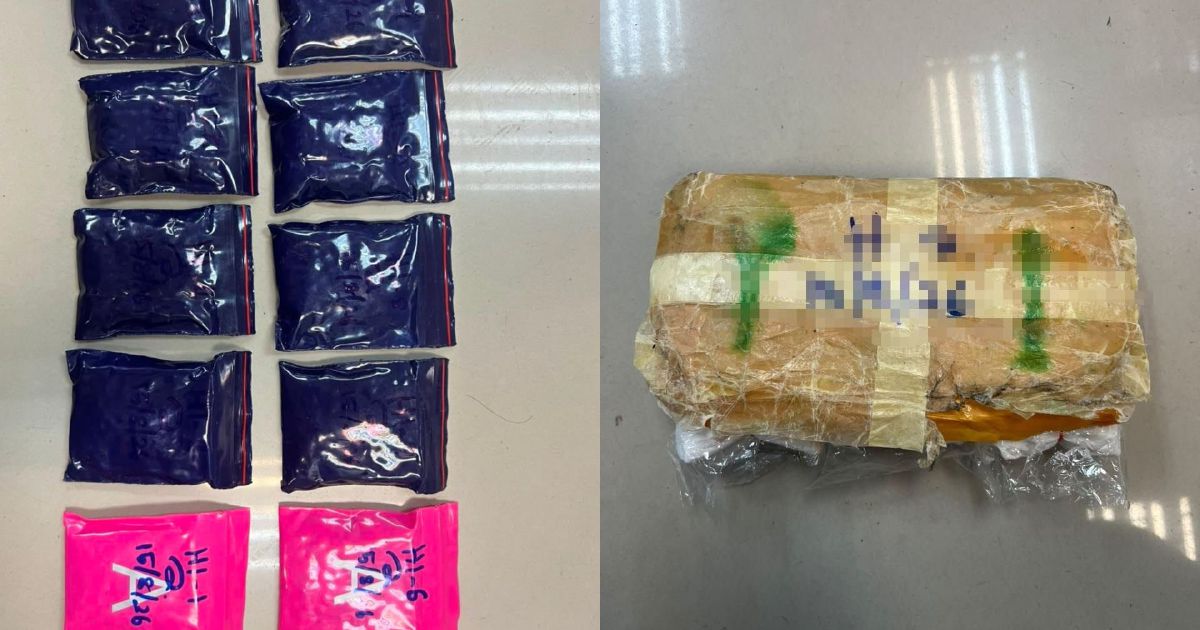
A 45-year-old Thai national has been taken into custody following a significant drug seizure operation conducted by police in Pasir Mas, Kelantan. The enforcement action, carried out in Kampung Rahmat near the border community of Rantau Panjang, resulted in the confiscation of 6,000 yaba pills with an estimated street value of approximately RM60,000, marking another notable success in the region's ongoing battle against synthetic drug trafficking.
The arrest underscores the persistent challenge that Malaysian authorities face in combating the flow of illicit drugs across the northern border, where geographic proximity to Thailand has historically made this stretch vulnerable to smuggling operations. Yaba—a methamphetamine-based tablet known colloquially as "crazy medicine"—has become an increasingly common fixture in Southeast Asian drug enforcement operations, with traffickers exploiting established smuggling networks that span across multiple jurisdictions.
The Pasir Mas district, situated in the Rantau Panjang subdistrict along the Kelantan-Thailand border, represents a critical enforcement zone for Malaysian narcotics agencies. The proximity to cross-border transit points has made communities in this region particular targets for drug trafficking syndicates seeking to distribute contraband throughout Malaysia and potentially onwards to other Southeast Asian destinations. Operations conducted in border towns like Kampung Rahmat often yield significant quantities of synthetic drugs that would otherwise circulate in the domestic market.
Yaba tablets have become the narcotic of choice for many traffickers operating in Southeast Asia due to their portability, high profitability, and the substantial market demand among younger demographics across the region. The drug's stimulant properties, which can produce euphoria and increased alertness, have driven demand in both urban centers and increasingly in smaller towns, where enforcement resources may be stretched thinner. The RM60,000 valuation attached to this haul reflects the substantial margins available to those willing to risk trafficking across international borders.
The apprehension in Pasir Mas represents part of a broader enforcement strategy by Malaysian police to disrupt supply chains at transit points before contraband can penetrate deeper into distribution networks. Border areas serve as the first line of defense in this effort, where coordinated operations between federal and state-level agencies attempt to intercept shipments during the vulnerable moment of cross-border movement. The success of such operations depends heavily on intelligence gathering, community informants, and vehicle checkpoints strategically positioned near known smuggling routes.
Thailand remains a significant source point for amphetamine-type stimulants destined for Malaysian and wider regional markets, with the country's geography and established clandestine manufacturing capabilities making it a persistent supply origin. The involvement of a Thai national in this particular case aligns with patterns documented in previous enforcement actions, where individuals from across the border have been apprehended attempting to distribute Thai-manufactured narcotics within Malaysian territory. Such transnational operations often involve loose networks rather than highly organized cartels, though the frequency of arrests suggests some degree of operational continuity.
The Rantau Panjang area, known for its bustling legitimate cross-border commerce and cultural exchanges, has struggled with the dual reality of being both an important economic gateway and a potential vulnerability in Malaysia's drug enforcement perimeter. Authorities have invested considerable resources into monitoring this zone, recognizing that the very openness required for legitimate trade can inadvertently provide cover for illicit operations. The balance between facilitating commerce and maintaining security remains a central challenge for Malaysian border management.
For Malaysian readers and policymakers, this seizure reflects the ongoing resource demands placed on narcotics enforcement agencies operating in border regions. Successful operations such as this one require sustained funding, personnel training, intelligence systems, and inter-agency coordination across different jurisdictional levels. The arrest also highlights how transnational drug trafficking remains fundamentally a border security issue that cannot be addressed through domestic policing alone, necessitating regional cooperation with neighboring countries.
The broader context for such operations extends beyond simple law enforcement statistics. The availability of yaba within Malaysian communities correlates with documented increases in drug-related crime, health complications, and social disruption particularly among youth populations. Each successful interdiction operation removes supply that would otherwise contribute to these downstream harms, though the scale of seizures suggests that enforcement continues to address only a portion of the overall trafficking volume.
The charges and legal proceedings that will follow this arrest remain standard under Malaysian drug trafficking legislation, where possession of quantities exceeding personal consumption thresholds triggers presumptions of trafficking intent. The severity of potential penalties for cross-border drug trafficking offences serves as the legal foundation for enforcement operations targeting individuals like the arrested Thai national, though deterrent effects remain difficult to measure empirically.
Looking forward, this seizure reinforces the importance of sustained, intelligence-led enforcement operations across Malaysia's border regions. As trafficking syndicates adapt their methods and routes in response to enforcement pressure, authorities must maintain technological capabilities and analytical sophistication to anticipate shifts in smuggling patterns. The success at Kampung Rahmat demonstrates that coordinated operations remain effective, though they represent only one component of a comprehensive approach to controlling synthetic drug proliferation throughout Southeast Asia.

