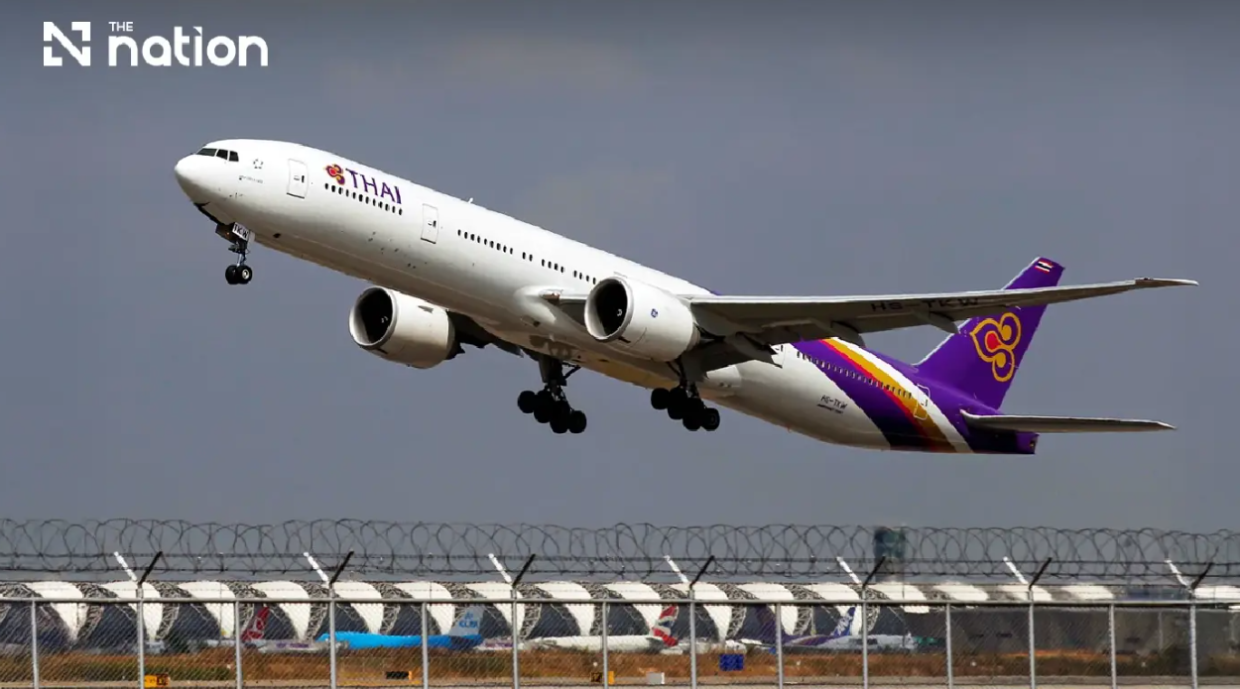
Thai Airways International has pledged complete cooperation with Australian authorities investigating the arrest of a female cabin crew member in Melbourne, with chief executive Chai Eamsiri assuring that the airline will not obstruct legal proceedings. The case has triggered immediate internal action and raised questions about screening procedures across Southeast Asian carriers operating on international routes.
Australian police arrested the 26-year-old Thai national on June 25 after more than one kilogramme of heroin was allegedly discovered in her baggage upon arrival at Melbourne Airport. The contraband carries an estimated street value of A$500,000, equivalent to approximately 11.5 million baht. The severity of the seizure underscores the ongoing risks of drug trafficking through international air routes, particularly involving crew members who benefit from expedited processing at customs checkpoints.
Chair Eamsiri emphasized that Thai Airways would defer entirely to Australian law-enforcement authorities while providing whatever assistance they require. The airline has already suspended the crew member pending outcome of both the Australian criminal proceedings and an internal fact-finding panel. This dual-track approach reflects the airline's acknowledgment that corporate accountability must proceed independently of the criminal justice system, a position that carries significant weight given the reputational stakes involved.
The airline has convened a disciplinary panel tasked with completing its investigation within seven days, with potential for an even faster conclusion. Should the internal inquiry substantiate wrongdoing—a highly likely scenario given the Australian charges—the company will impose its maximum penalty: termination of employment. Chai's unequivocal stance on this matter signals Thai Airways' determination to demonstrate swift, decisive action in response to employee misconduct of this magnitude.
The incident represents serious reputational damage for Thai Airways and the broader Thai aviation sector at a time when regional carriers are competing intensely for market share on high-value Australian routes. Chai acknowledged potential complications for Thai crew members and nationals seeking entry to Australia, though he expressed confidence that individual cases would be evaluated on their own merits rather than triggering blanket suspicion of all Thai personnel. This optimistic framing, however, may not reflect the practical reality that security and immigration agencies often tighten scrutiny following high-profile incidents.
Thai Airways operates with more than 4,000 cabin crew members and over 1,000 pilots, making comprehensive monitoring of individual conduct inherently challenging despite institutional safeguards. Chai conceded this reality while announcing instructions to relevant departments to strengthen supervision protocols. The airline has established pre-flight briefing requirements covering regulations and prohibited items, yet the Melbourne case demonstrates that knowledge of rules does not guarantee compliance, particularly when financial incentives for smuggling far exceed typical airline salaries.
The Australian Federal Police and Australian Border Force have charged the suspect with importing and possessing a marketable quantity of a border-controlled drug, offences carrying maximum sentences of 25 years imprisonment. She was remanded in custody on June 26 and will face Melbourne Magistrates' Court again on September 14, ensuring the case will remain in public attention throughout the coming months. The severity of potential punishment reflects Australia's uncompromising stance on narcotics trafficking at its borders.
Thailand's Civil Aviation Authority has initiated its own review of procedures and has contacted the airport operator and Thai Airways to examine screening systems. The CAAT emphasized that its baggage and passenger screening at Thai checkpoints complies with both CAAT standards and International Civil Aviation Organization requirements. However, the regulator also clarified that narcotics enforcement falls within law-enforcement jurisdictions rather than aviation safety authorities, pointing to structural limitations in how air-transport security addresses drug smuggling beyond the cockpit.
The CAAT statement underscores a critical distinction in aviation regulation: screening procedures are optimized to prevent items threatening aircraft safety rather than to interdict all contraband. This functional division of responsibility means that preventing narcotics smuggling depends on coordination among multiple agencies—airport security, customs authorities, law enforcement, and airlines themselves—a coordination that can be imperfect despite best intentions. For Malaysian and regional readers, this case illustrates why Malaysian airports and carriers must maintain vigilance across all personnel categories, as crew members occupy a privileged position in international air transport.
Should the airline's internal inquiry confirm wrongdoing, the CAAT indicated it may take action affecting the crew member's aviation certificate, a step designed to protect both safety standards and public confidence in Thailand's civil aviation system. This regulatory backstop ensures that personal misconduct can have career-ending consequences extending beyond immediate employment termination, reinforcing professional norms within the sector.
The Melbourne case arrives amid broader Southeast Asian security challenges, including the persistent threat of narcotics trafficking through legitimate transportation networks. For Malaysian carriers and authorities, the incident serves as a reminder that comprehensive due diligence, rigorous supervision, and international cooperation remain essential to prevent aviation personnel from becoming vectors for illegal goods. The swift response from Thai Airways and Thai regulators demonstrates institutional accountability, yet the case ultimately reveals how determined smugglers may exploit trusted positions within international air transport.

