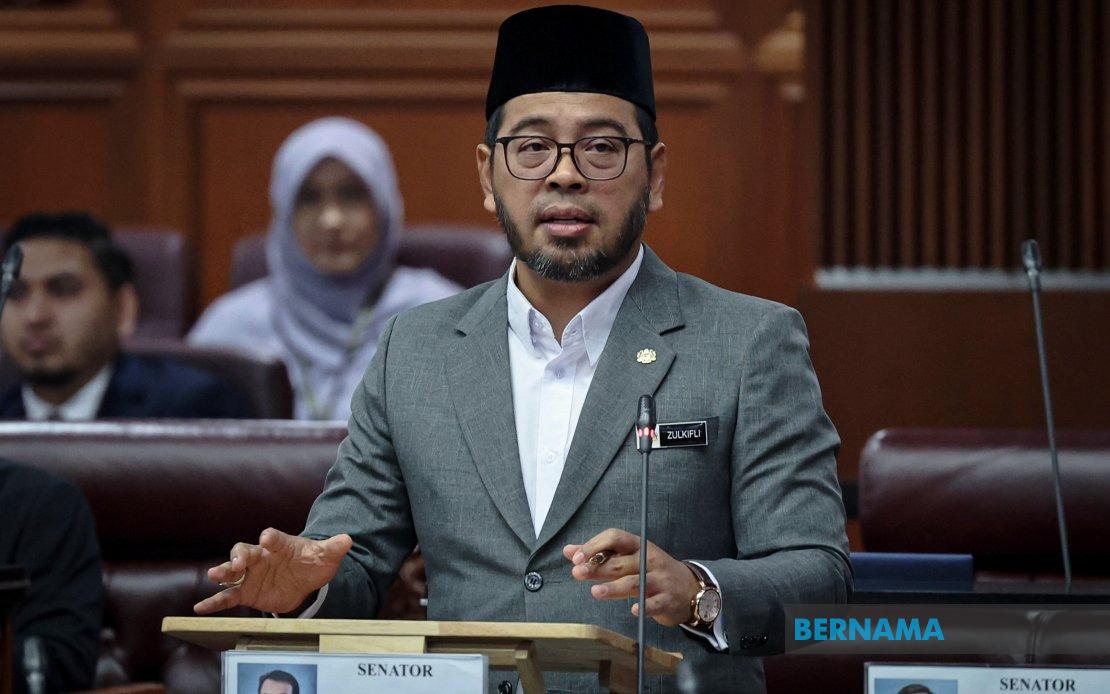
Religious Affairs Minister Dr Zulkifli Hasan has reassured Tabung Haji depositors that their zakat obligations have been meticulously fulfilled in accordance with Syariah principles and Islamic jurisprudence, addressing concerns raised in the recently released Royal Commission of Inquiry report. Speaking during a special parliamentary session to brief lawmakers on the RCI findings, Zulkifli outlined the comprehensive framework and institutional oversight that has governed the pilgrim fund's zakat operations over the past decade.
Central to his reassurance was validation from Tabung Haji's own Syariah Advisory Committee, which determined in September 2020 that zakat payments collected before the wakalah arrangement was introduced in 2019 remain valid and meet all Syariah requirements. This clarification addresses a key concern depositors may have harboured regarding the legitimacy of historical zakat deductions, which represent a sacred financial obligation in Islam. The committee's endorsement carries significant weight given its composition of Syariah and Islamic finance specialists who maintain continuous oversight of the institution's religious compliance.
Zulkifli also referenced a foundational 1979 decision by the National Fatwa Committee for Islamic Religious Affairs Malaysia, which established the principle that Tabung Haji itself is not subject to zakat as a standalone entity but must fulfil the obligation on behalf of its depositors. This distinction has shaped the institution's zakat framework for over four decades and remains the authoritative benchmark against which contemporary practices are assessed. The minister emphasised that Tabung Haji has consistently adhered to this directive, ensuring that depositors' religious obligations are met without requiring individual administrative action.
For the period between 2016 and 2019, when Tabung Haji employed the Wadiah Yad Damanah contract structure, the institution collected zakat on a business basis—calculated collectively from the combined pool of depositor funds that were actively invested. This approach differs from individual zakat calculations and reflects the integrated nature of Tabung Haji's operations, where individual deposits function as part of a larger institutional fund. The distinction between individual and collective zakat calculations has been a technical point requiring clarification, particularly for depositors unfamiliar with Islamic finance conventions.
Recognising the RCI's recommendation that zakat practices warrant further scrutiny and institutional alignment, the government moved swiftly to present the matter to the National Council for Islamic Religious Affairs Muzakarah Committee in June 2024. The committee's subsequent endorsement was formally submitted to the Conference of Rulers in October 2024, representing the highest level of Islamic governance consultation in Malaysia's constitutional framework. This multi-tiered review process demonstrates the seriousness with which government authorities treat questions concerning the religious legitimacy of Tabung Haji's operations.
The reassurance carries particular significance for Malaysia's Muslim population, many of whom have accumulated substantial deposits in Tabung Haji as they save towards performing the hajj pilgrimage. For these individuals, the sanctity of their zakat contributions is not merely a financial matter but a core religious concern. Any ambiguity regarding whether zakat obligations have been properly discharged could create spiritual anxiety among depositors, making clear institutional communication essential. The minister's detailed explanation, backed by committee rulings and fatwa decisions, aims to eliminate such concerns.
Beyond zakat clarifications, Zulkifli indicated that Tabung Haji is implementing recommendations stemming from the RCI report regarding hajj management policies. The institution is refining its approach to hajj eligibility and waiting periods, with improvements designed to create a more transparent, systematic process that aligns with the Islamic principle of istito'ah—the concept of financial and physical ability to undertake the pilgrimage. These policy enhancements will provide depositors with clearer expectations and timelines for their hajj journeys while emphasising early preparation and financial readiness.
The RCI, established in 2021 and formally tasked in January 2022, examined Tabung Haji's management and operations across 2014 to 2020—a period marked by significant financial challenges that prompted the inquiry. The 211-page report, made public in July 2024, identified 25 areas requiring improvement, with 75 per cent already implemented by the institution as of the report's release. This implementation rate suggests Tabung Haji has moved with reasonable dispatch in addressing systemic vulnerabilities, though ongoing refinement will likely continue.
For Malaysian depositors, the minister's parliamentary statement provides documented assurance that institutional oversight mechanisms are functioning. The involvement of multiple bodies—Tabung Haji's internal Syariah committee, national fatwa authorities, the Muzakarah Committee, and the Conference of Rulers—creates layered accountability that few financial institutions in Malaysia can claim. This governance architecture reflects the special religious status Tabung Haji occupies as the nation's designated pilgrimage fund, where financial management intersects directly with Islamic observance.
The timing of these clarifications matters, as financial confidence in Tabung Haji remains important for its long-term sustainability. Depositors who question the legitimacy of zakat deductions or harbour doubts about institutional governance may reduce contributions or withdraw funds, further straining an institution already navigating recovery. By proactively addressing religious compliance concerns through parliamentary communication and detailed explanation, the government signals commitment to rebuilding trust in Tabung Haji's operations.
Looking forward, the comprehensive review process outlined by Zulkifli suggests that Tabung Haji's management intends to position itself as a model of Islamic financial governance within Malaysia's institutional landscape. The proposed enhancements to hajj eligibility criteria and the emphasis on financial preparedness align contemporary practice with religious principles, potentially establishing precedents applicable to other Islamic financial institutions. For depositors, these developments indicate that their concerns regarding religious compliance have been taken seriously and addressed through established Islamic governance channels rather than administrative fiat.

