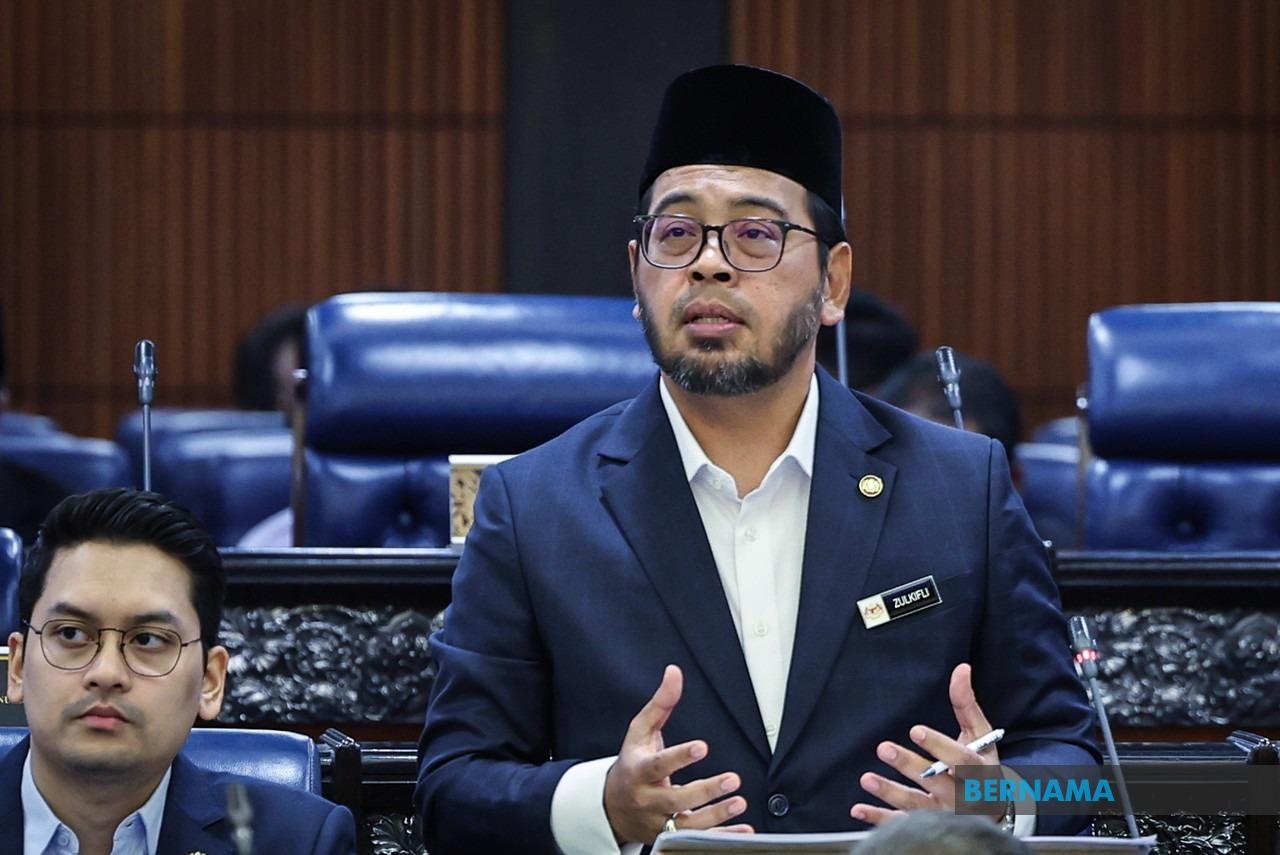
The Malaysian government has committed to sweeping reforms of Tabung Haji's regulatory framework, with proposed amendments to the TH Act 1995 designed to impose stricter accountability measures and clearer financial reporting requirements. Minister in the Prime Minister's Department (Religious Affairs) Dr Zulkifli Hasan unveiled the reform agenda during a special parliamentary sitting where lawmakers scrutinised a 211-page Royal Commission of Inquiry report released publicly on July 29. The legislative changes will establish prescribed accounting standards, enforce penalties for financial misreporting, and create a more robust governance structure intended to prevent future management failures at the institution that serves millions of Malaysian pilgrims and investors.
The RCI, which examined Tabung Haji's operations between 2014 and 2020, identified systemic weaknesses that prompted the comprehensive overhaul. The government's decision to make the full report public marks a significant transparency moment for an institution entrusted with the savings of Malaysian Muslims preparing for the hajj pilgrimage. Dr Zulkifli indicated that all material recommendations from the inquiry have been thoroughly reviewed for incorporation into the legislative framework, signalling the administration's commitment to addressing institutional failings without selective implementation of findings.
A central element of the proposed amendments involves transferring oversight of Tabung Haji's fund management and investment activities to the Securities Commission, while maintaining the institution's organisational integrity as a single entity. A task force comprising the TH chairman, Bank Negara Malaysia governor, and Securities Commission chairman has already agreed to this regulatory reconfiguration. Under the new arrangement, haj management operations would remain under the purview of the Religious Affairs ministry, creating a dual-oversight model that leverages specialist expertise from both the financial regulator and religious affairs authorities. This separation of investment regulation from pilgrimage management represents a deliberate attempt to prevent conflicts of interest that may have contributed to earlier problems.
The RCI's investigation revealed problematic practices concerning executive remuneration that fostered institutional mismanagement. Tabung Haji has since adopted a substantially revised bonus framework calibrated to overall financial performance and achievement of key performance indicators, with payments now requiring approval from both the Religious Affairs and Finance ministers. This disciplined approach replaces the previous system that permitted excessively generous bonus allocations disconnected from institutional success metrics. The reform acknowledges that excessive executive compensation can create perverse incentives and undermine stakeholder confidence in governance structures.
Financial transparency has emerged as a cornerstone of the reform programme. Since 2022, Tabung Haji has implemented a requirement to announce profit distribution rates solely on the basis of audited annual financial statements, eliminating discretionary calculation methodologies that lacked clear statutory grounding. This practice aligns directly with RCI recommendations for transparent, standardised profit distribution governance. Additionally, the institution has ensured full compliance with relevant accounting standards since 2018, establishing a foundation for the more rigorous reporting regime contemplated by the legislative amendments. These preliminary measures demonstrate institutional responsiveness while the formal amendments proceed through parliament.
Board composition and leadership selection represent another critical focus of the legislative redesign. The RCI recommended comprehensive TH Act revision to establish specific eligibility criteria and expertise-based selection procedures for board appointments, coupled with a prohibition preventing active politicians from serving as chairman or board members. Tabung Haji has already begun implementing leadership appointments grounded in integrity, capability, and experience under 'fit and proper' criteria modelled on Bank Negara Malaysia's framework. Dr Zulkifli emphasised the availability of capable technocrats and individuals of proven integrity within Malaysia's broader talent pool, suggesting that professionalising board leadership strengthens rather than diminishes institutional effectiveness.
The reforms carry implications extending beyond Tabung Haji itself, establishing precedents for governance standards across Malaysia's institutional landscape. The Securities Commission's expanded role reflects growing recognition that specialist financial regulators possess expertise suited to overseeing complex investment portfolios managed by large public institutions. This regulatory approach aligns with international best practices where investment management operates under dedicated financial supervision rather than sector-specific oversight. For Malaysian investors and pilgrims, the transition promises enhanced protection through the application of comprehensive financial regulations developed specifically for securities markets and fund management.
Parliament's special sitting on the RCI report represented an unusual opportunity for extended legislative scrutiny of institutional performance. By releasing the full 211-page report to the public, the government has enabled civil society, media, and academic observers to independently assess the inquiry's findings beyond parliamentary debates. This transparency contrasts with previous practices where government reports sometimes remained restricted, and reflects a broader shift toward public accountability in institutional governance. The parliamentary debate itself provides a forum where opposition and government members can examine remedial measures and interrogate the adequacy of proposed reforms.
The Financial implications of these reforms merit consideration for stakeholders holding Tabung Haji savings. Strengthened financial controls and transparent accounting practices typically enhance rather than diminish investment returns through improved institutional credibility and reduced regulatory risk. The transfer of investment oversight to the Securities Commission may introduce additional compliance costs, but these should be offset by improved market confidence and reduced future crisis-driven interventions. Investors benefit from clarity regarding profit distribution calculation methodologies and assurance that executive decisions remain grounded in transparent governance frameworks rather than discretionary judgements.
Regional observers monitoring institutional governance trends in Southeast Asia may find Malaysia's Tabung Haji reforms instructive. Across the region, large pension funds, pilgrimage organisations, and faith-based financial institutions manage substantial assets while operating within somewhat varied regulatory frameworks. The Malaysian approach of combining specialist financial regulation with sector-specific oversight offers a model worth consideration as other jurisdictions assess their own governance structures. The explicit prohibition on active politicians serving in leadership roles addresses concerns that extend beyond Malaysia's specific context to broader questions about conflicts of interest in institution management.
Implementation timelines remain critical as parliament considers the proposed amendments. Dr Zulkifli and Finance Minister II Datuk Seri Amir Hamzah Azizan are scheduled to conclude parliamentary debate, after which the amendments must progress through formal legislative procedures. The urgency underlying these reforms relates to Tabung Haji's significance within Malaysia's Islamic finance ecosystem and its direct connection to millions of citizens' pilgrimage aspirations and retirement savings. Expeditious parliamentary passage would permit the institution to operationalise the new regulatory and governance frameworks while current institutional leadership remains engaged with implementation processes.
Looking forward, the successful implementation of these governance reforms will require sustained commitment from multiple stakeholders. Tabung Haji management must embrace enhanced transparency and accountability requirements, regulatory authorities must exercise oversight effectively without imposing counterproductive burdens, and parliament must resist political temptations to influence institutional decisions once reformed governance structures are operational. The RCI report serves as a comprehensive diagnostic assessment; the amendments represent the prescription. Determining whether the prescribed reforms prove sufficient to prevent future institutional failures will ultimately depend on the fidelity and consistency with which all parties uphold their respective roles within the reformed framework.

