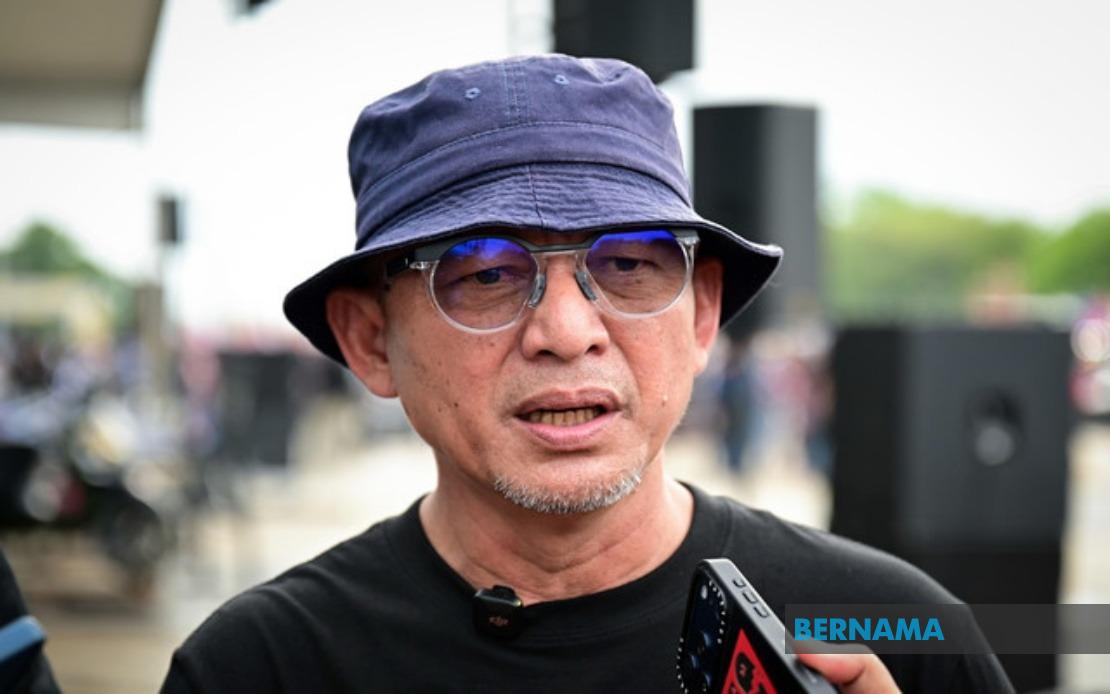
Terengganu state authorities have moved to clarify that the recently unveiled Visit Truly Terengganu 2027 logo represents a careful balance between modernising the state's tourism identity and adhering to Islamic principles. Speaking at the conclusion of the Terengganu Classic Festival 2026 in Kuala Terengganu on July 12, Datuk Razali Idris, the State Tourism Committee chairman, emphasised that religious considerations underpinned every design decision in crafting the new emblem.
The new logo retains the turtle as Terengganu's central icon, reflecting the creature's deep cultural significance to the state and its tourism brand. Yet the design departs markedly from its 2007 predecessor, which officials characterised as rigid and statue-like in appearance. The contemporary version incorporates vibrant coloration and flowing geometric forms intended to convey movement and energy—a visual evolution that responds to modern design sensibilities without abandoning the symbol that has anchored Terengganu's identity for decades.
The stylisation of the turtle imagery itself warrants scrutiny within the context of Islamic jurisprudence. Rather than depicting the animal with anatomically precise detail, the design team deliberately abstracted the form to navigate concerns about representational animal imagery within Islamic doctrine. This thoughtful approach reflects awareness of ongoing theological discussions about the permissibility of animal depictions in Muslim contexts, particularly regarding religious observance. Razali explained that such considerations extend beyond abstract principle into practical application, noting that garments bearing animal figures are traditionally avoided during Islamic prayer, a consideration that influences merchandise and promotional materials bearing the logo.
The redesign strategy demonstrates how regional governments across Southeast Asia increasingly grapple with reconciling contemporary branding objectives against religious sensitivities that shape public life. For Terengganu specifically, which operates as Malaysia's only Pas-governed state at the federal level and maintains a conservative religious demographic, such considerations carry particular weight in public communications and symbols. The approach adopted here reflects a pragmatic strategy employed elsewhere in the Islamic world—stylisation and abstraction as means of honouring cultural imagery while respecting doctrinal boundaries.
Beyond the logo's design nuances, the unveiling arrives as Terengganu pursues an ambitious expansion of its tourism sector. The state government has established a target of attracting nine million tourists by the end of the year, a goal that officials believe remains attainable based on current trajectory data. During the first quarter of 2024 alone, Terengganu received 2.45 million visitor arrivals, encompassing both mainland attractions and the state's celebrated island resort destinations. These figures suggest that if growth momentum persists through the remaining quarters, the annual target sits within realistic reach.
Vehicle entry data collected at state toll plazas furnishes additional indicators of tourist traffic patterns. March and April recorded approximately 600,000 vehicle entries, a figure that climbed substantially to 829,000 in May before declining slightly to 608,000 in June. Officials acknowledge that these toll-plaza metrics serve as one of several measurement systems employed to triangulate accurate visitor numbers, with final reconciliation occurring after comprehensive data analysis. This multi-layered counting approach reflects the state's commitment to establishing reliable baseline figures for tourism planning and performance assessment.
The Terengganu Classic Festival 2026, which concluded on the date of Razali's remarks, illustrated the state's diversifying tourism appeal beyond beaches and island resorts. The event attracted nearly 10,000 attendees and showcased over 500 vintage vehicles spanning cars and motorcycles predominantly from the 1960s era. Such cultural and heritage-focused events complement Terengganu's natural attractions and represent efforts to extend visitor spend and engagement across multiple interest categories. This programmatic diversification reflects recognition that sustainable tourism growth depends upon varied offerings that appeal to different demographic cohorts and travel motivations.
For Malaysian regional tourism operators and the broader Southeast Asian tourism sector, Terengganu's approach carries implications regarding how destinations can successfully navigate between heritage preservation, contemporary marketing imperatives, and religious or cultural sensitivities. The state's experience suggests that thoughtful design consultation and stakeholder engagement—rather than treating these considerations as obstacles—can yield outcomes that strengthen rather than constrain destination branding. The turtle logo redesign thus functions as a case study in culturally responsive tourism development.
Razali indicated that comprehensive tourism arrival data spanning the first six months of 2024 would be presented during the upcoming session of the Terengganu state legislative assembly, suggesting government confidence in the figures and a commitment to transparency with elected representatives. This institutional reporting demonstrates how individual tourism initiatives feed into broader state development priorities and accountability frameworks. As the state pursues its nine-million-visitor target through year-end, the visibility of performance metrics within legislative forums ensures ongoing scrutiny and engagement with tourism policy at the highest state levels.
The intersection of religious compliance, cultural symbolism, and commercial tourism development reflected in Terengganu's logo redesign resonates across Malaysia's diverse state landscape. As tourism becomes increasingly central to regional economic strategies nationwide, the template established by Terengganu—integrating stakeholder consultation regarding cultural and religious dimensions into destination branding—may find application in other contexts. The state's willingness to invest design effort in reconciling these multiple considerations signals recognition that tourists visiting Malaysia increasingly expect destinations to demonstrate genuine understanding of and respect for local values and traditions.

