Terengganu's state government is channelling RM3.78 million towards ambitious development initiatives at Kenyir Geopark in Hulu Terengganu, demonstrating a strategic commitment to transforming the vast geological landmark into a world-class tourism and conservation destination. The investment, spanning from 2024 onwards, flows through the Hulu Terengganu District Office and represents a deliberate effort to solidify the geopark's standing as a nationally recognised site while positioning it for eventual elevation to UNESCO Global Geopark status, an accolade that would bring international prestige and substantial economic benefits to the region.
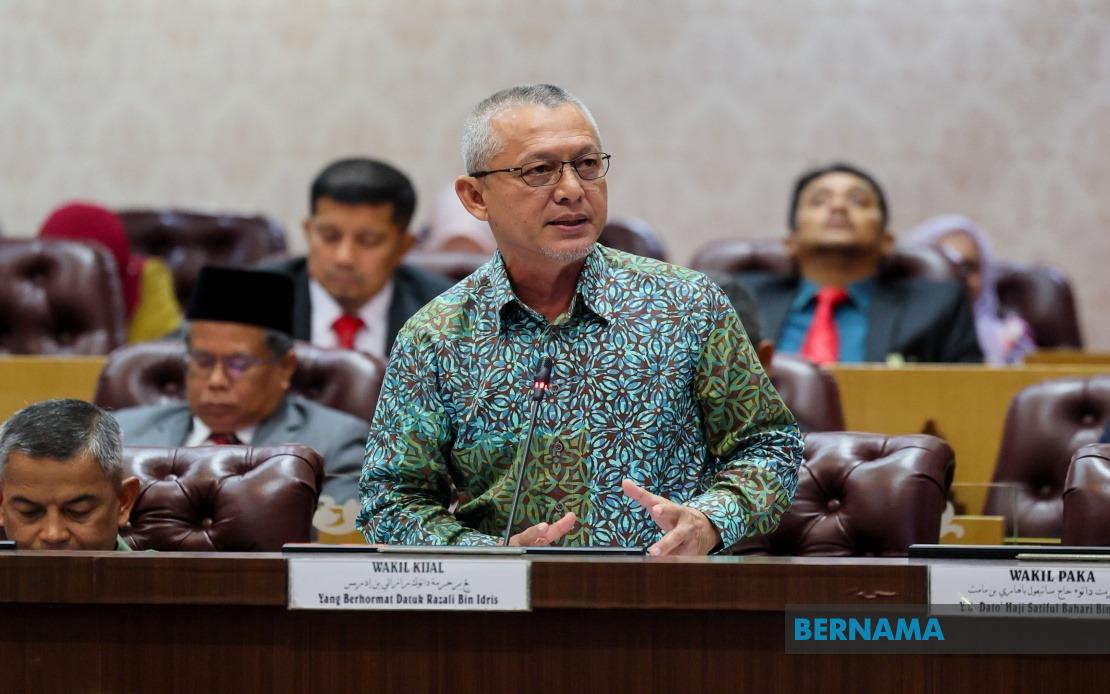
Datuk Razali Idris, who chairs the State Tourism, Culture, Environment and Climate Change Committee, outlined the multifaceted scope of the investment during a legislative assembly session. The funding encompasses far more than physical infrastructure—it addresses the entire ecosystem required to sustain and grow the geopark as a meaningful asset. Conservation efforts targeting geoheritage sites form the backbone of the strategy, while parallel investments in geotourism product development aim to transform the park's geological wonders into compelling visitor experiences. The allocation also funds essential facilities that support both tourists and researchers, underpinning the geopark's dual purpose as both a recreational attraction and a scientific resource.
Equally significant is the commitment to public awareness and education programmes, recognising that sustainable geopark management depends on building genuine understanding among local populations and broader audiences. Capacity-building initiatives for Hulu Terengganu's communities represent a crucial dimension of this approach, ensuring that residents benefit directly from geopark development and gain the skills needed to participate meaningfully in its management and future growth. This human-centred investment philosophy distinguishes the Terengganu initiative from purely infrastructure-focused development models.
The geopark itself spans an impressive 244,900 hectares, encompassing a rich tapestry of geological, biological, cultural and archaeological significance. Within this expansive area, the state has identified and catalogued 15 geosites of particular scientific importance, 10 biosites representing critical ecosystems, 11 cultural heritage locations reflecting the region's human history, and a single geo-archaeological site that illuminates the intersection of geological and human narratives. This inventory reveals a landscape layered with multiple types of value, far exceeding what many regional geoparks can claim.
Among the priority conservation targets are notable formations such as Gua Bewah and Gua Taat, limestone caves that hold both scientific and cultural significance, alongside Batu Bersurat, an inscribed rock formation that carries historical weight for Terengganu. By protecting these geosites alongside their surrounding landscapes, the state government seeks to preserve tangible evidence of the peninsula's deep geological history while safeguarding cultural assets linked to indigenous communities and historical settlements. This integrated conservation approach acknowledges that geological heritage and human heritage are inextricably woven together.
Visitor engagement with Kenyir Geopark has surged dramatically, validating the state's development trajectory and suggesting strong market demand for geotourism experiences in Malaysia. Visitor arrivals climbed to 454,765 in 2024, nearly doubling the 218,157 recorded in 2023—an increase of 108.5 per cent that underscores growing awareness and appeal. This trajectory indicates that the investment is already catalysing tangible returns in terms of tourism revenue and regional economic activity, even as the geopark continues refining its infrastructure and visitor programmes.
The push for UNESCO Global Geopark designation carries substantial implications for Terengganu's position within Malaysia's tourism hierarchy and Southeast Asia's ecotourism landscape. UNESCO geoparks represent an elite global network, currently encompassing fewer than 200 sites across more than 70 countries, making membership a distinctive marker of international recognition. Achieving this status would elevate Kenyir Geopark beyond its current national standing, opening pathways for international research collaborations, attracting specialist tourists, and enhancing the state's brand as a destination for educational and experiential travel.
For Malaysian policymakers and tourism stakeholders, Terengganu's investment model offers a instructive case study in how state governments might leverage geological assets to generate sustainable economic development. Rather than pursuing extractive approaches or mass-market resort development, the geopark strategy channels tourism and development pressures into activities that theoretically enhance rather than degrade geological and environmental integrity. Geotourism, when properly managed, creates economic incentives for conservation rather than degradation, aligning profit motives with preservation objectives.
The geopark development also reflects broader regional trends in Asia-Pacific tourism, where demand for nature-based, culturally-informed, and educationally-enriching travel experiences continues expanding. Malaysian travellers, alongside growing numbers of intra-Asian visitors, increasingly seek destinations offering authentic environmental and cultural engagement rather than conventional resort-based experiences. Kenyir Geopark's positioning directly addresses these evolving preferences, suggesting the investment may yield returns well beyond initial projections.
The state government's emphasis on capacity-building for local communities addresses a persistent challenge in geotourism development—ensuring that benefits accrue to residents rather than concentrating among external investors and operators. By investing in community skills and knowledge, Terengganu aims to create local entrepreneurs and guides capable of extracting maximum value from their region's natural endowments. This approach theoretically fosters a constituency of residents with vested interests in maintaining geopark integrity and popularity.
Looking forward, the success of the RM3.78 million investment programme will hinge on execution quality and the state government's ability to balance conservation with commercial interests. As visitor numbers continue climbing, pressures will mount to expand facilities and access routes, risking ecological damage if not carefully managed. The investment must therefore be complemented by robust environmental monitoring and adaptive management systems capable of adjusting strategies as conditions change.
The Terengganu initiative also carries implications for other Malaysian states with significant geological assets. Peninsular Malaysia contains numerous formations of national and international scientific interest, from the limestone karst landscapes of Pahang to the geological formations around Ipoh and Kuala Lumpur. The relative success of Kenyir Geopark's development may encourage similar initiatives elsewhere, potentially diversifying Malaysia's tourism offerings and distributing development pressures more widely across the peninsula rather than concentrating them in established hotspots.

