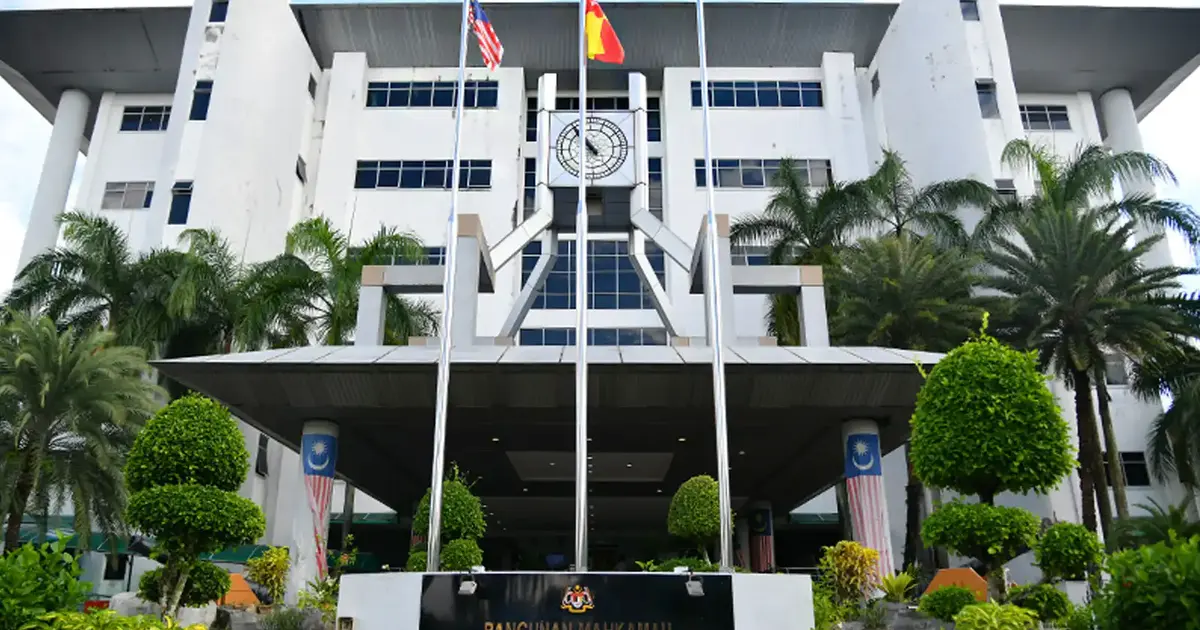
A 15-year-old accused of involvement in a fatal incident at a Bandar Utama school has been ordered to enter his defence after a Shah Alam High Court judge determined the prosecution had presented sufficient evidence of wrongdoing. Judge Adlin Abd Majid's ruling represents a significant procedural step, moving the case forward from the preliminary stage where prosecutors needed only to demonstrate they had a reasonably credible case rather than prove guilt beyond doubt.
The decision to call upon the teenager to present his account comes after the prosecution presented its evidence during the preliminary inquiry phase. This is a critical juncture in Malaysian criminal proceedings, particularly in cases involving minors, where the threshold for proceeding differs from adult trials. By finding a prima facie case—meaning the evidence, if accepted, would be sufficient to convict—the judge has signalled that prosecutors have laid an adequate foundation to move the matter to the substantive defence stage.
The case has drawn significant public attention given its nature and the youth of the accused. School safety remains a paramount concern for parents and educators across Malaysia, and incidents of serious violence within educational institutions provoke questions about security protocols, student welfare programmes, and the underlying factors contributing to such tragedies. The involvement of a minor accused has also raised broader discussions about juvenile justice, rehabilitation, and the appropriate balance between accountability and rehabilitation in the Malaysian legal system.
At this stage, the teenager's defence team will have the opportunity to present evidence, call witnesses, and make submissions challenging the prosecution's case. The burden of proof remains with the state throughout the trial, but the preliminary inquiry findings suggest the evidence presented was sufficiently coherent and credible to warrant a full hearing of the defence. This does not predetermine the outcome; rather, it indicates that the case has cleared an evidentiary hurdle to proceed to full trial.
The preliminary inquiry process in Malaysia serves as a filter mechanism, preventing weak cases from consuming court resources and protecting accused persons from being put to their defence without reasonable grounds. However, the threshold is deliberately set lower than the ultimate standard of proof beyond reasonable doubt required for conviction. Judge Adlin Abd Majid's determination that the prosecution met this threshold reflects careful consideration of the evidence presented during the inquiry phase.
For Malaysian readers following high-profile criminal cases, understanding the structure of preliminary inquiries is essential. These proceedings are not trials themselves but rather assessments of whether sufficient evidence exists to justify putting an accused person to his or her defence. The judge does not make findings about guilt or innocence at this stage, only whether the prosecution's case is sufficiently material to warrant proceeding further. This distinction is sometimes misunderstood by the general public, who may view the prima facie finding as an indication of likely conviction.
The case also highlights the complexities of handling criminal matters involving juveniles within Malaysia's court system. The teenager will likely benefit from certain protections and considerations afforded to minors, including the possibility of rehabilitation programmes and the court's discretion to consider age as a mitigating factor if conviction is ultimately secured. The Child Act provisions may also play a role in sentencing considerations should the case result in conviction.
Investigations into the circumstances surrounding the Bandar Utama school incident have presumably examined security measures, witness accounts, and the relationship between the accused and the deceased or victim. The completion of the preliminary inquiry stage means that the core evidence supporting the prosecution's case has now been tested, at least to the extent of establishing that a coherent narrative exists and is supported by material evidence or credible witness testimony.
The coming defence phase will be crucial in determining the ultimate outcome. The teenager's legal team may challenge the credibility of prosecution witnesses, present alternative explanations for the evidence presented, or argue that the evidence does not support the charge beyond reasonable doubt. This is the stage at which the full adversarial nature of the criminal trial process comes into play, with both prosecution and defence presenting competing narratives and evidence.
School communities across the Klang Valley and beyond will be watching how this case proceeds. The incident has inevitably prompted discussions about safety protocols in Malaysian schools, the mental health support available to students, and how educational institutions can better identify and intervene in situations where young people may be at risk of harming themselves or others. Authorities have presumably reviewed security arrangements and pastoral care systems in the wake of the tragedy.
The judge's order that the teenager enter his defence is expected to result in a full trial proceeding at the Shah Alam High Court, where the prosecution will present its case comprehensively and the defence will have the full opportunity to challenge that evidence. The trial process will determine whether the prosecution can sustain its burden of proof beyond reasonable doubt, the highest standard of criminal evidence in Malaysian law.
This case serves as a reminder of the Malaysian justice system's multi-layered approach to serious criminal matters, wherein preliminary inquiries serve as important gatekeeping mechanisms. As the case advances to the defence stage, the court will ultimately be tasked with determining whether the evidence establishes guilt to the requisite standard, balancing considerations of justice, proportionality, and the special circumstances surrounding a young accused person.

