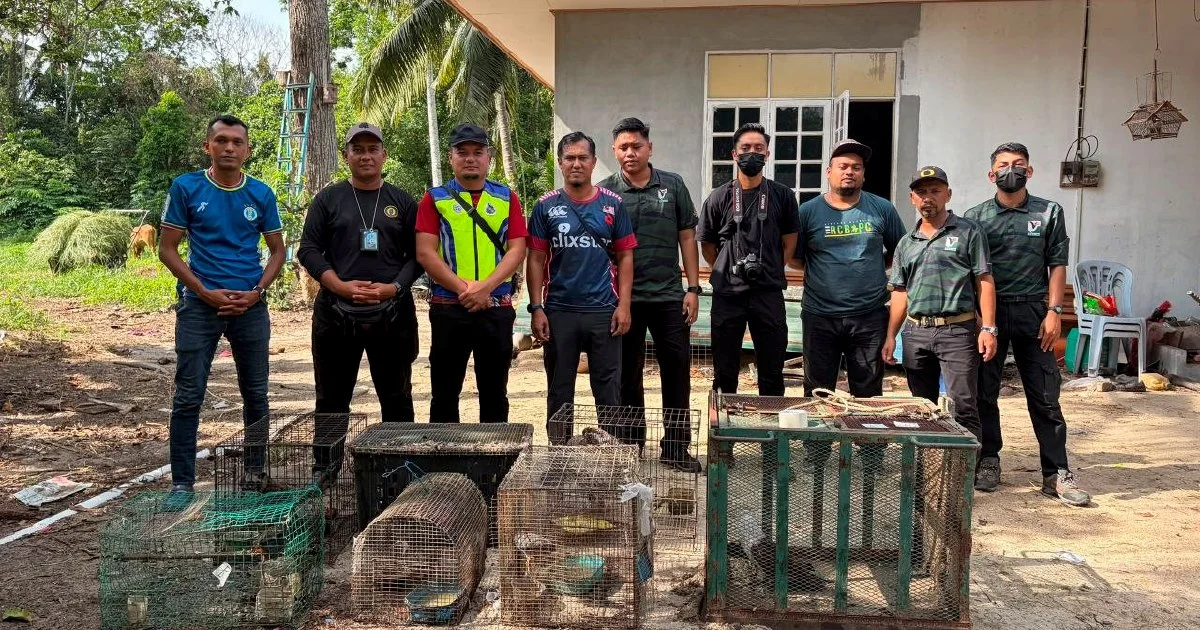
Enforcement authorities in Tumpat moved swiftly to detain an 18-year-old suspect found in possession of four species of protected wildlife valued at RM48,500 during a coordinated raid. The operation underscores growing concern over the illegal animal trade, which continues to flourish despite repeated crackdowns and increasingly stringent penalties under Malaysian law.
The teenager's apprehension represents a noteworthy seizure in Kelantan, a state that has emerged as a significant trafficking nexus due to its porous borders and established networks moving contraband wildlife. The four species involved in the case have been identified as animals protected under Malaysia's wildlife legislation, reflecting the diversity of creatures caught up in illicit trading circuits that span Southeast Asia. The RM48,500 valuation indicates these were not common domestic animals but specimens commanding premium prices in underground markets.
Protected wildlife trafficking operates as a sophisticated criminal enterprise, often involving multiple layers of suppliers, transporters, and end-buyers. The illegal trade threatens biodiversity across the region while generating substantial profits for criminal syndicates. Southeast Asia remains a critical transit point and source region for endangered species destined for international markets, where demand for exotic pets, traditional medicine ingredients, and decorative items sustains the commerce. Malaysia's strategic geographic position makes it particularly vulnerable to this trade, with networks exploiting inadequate enforcement resources and porous enforcement points.
The detention of a teenager in this case raises important questions about recruitment into wildlife trafficking networks. Young individuals are often targeted by criminal organisations because they may face lighter sentences and are considered more expendable operationally. This pattern has emerged repeatedly in enforcement operations across the region, suggesting that smuggling rings actively groom younger accomplices to insulate senior members from legal consequences. Understanding these recruitment mechanisms is essential for authorities seeking to dismantle trafficking organisations rather than merely apprehending low-level couriers.
Malaysia's legal framework provides substantial penalties for wildlife trafficking offences under the Protection of Wildlife Act 2010 and related legislation. Conviction can result in fines up to RM100,000 and imprisonment terms reaching several years, depending on the species involved and the scale of possession. Despite these deterrents, the persistence of trafficking cases suggests that enforcement remains inconsistent and that perceived risk of detection remains insufficiently elevated to deter participation in the trade. Successful prosecution of traffickers requires not only seizures but also systematic intelligence gathering and coordination among agencies.
The broader context of this arrest includes Malaysia's international obligations under the Convention on International Trade in Endangered Species (CITES), which obligates signatory nations to regulate and restrict trade in protected fauna. Kelantan's location near the Thai border creates additional complexity, as cross-border trafficking networks leverage differing enforcement capacities and legal frameworks between nations. The state has witnessed repeated seizures of protected birds, reptiles, and mammals destined for markets in Thailand, China, and other Asian destinations where demand for wildlife products remains robust despite conservation concerns.
Enforcement agencies in Malaysia have substantially expanded wildlife trafficking operations in recent years, with dedicated units and enhanced inter-agency coordination producing measurable results in apprehensions and seizures. However, the steady stream of cases indicates that enforcement efforts remain outpaced by trafficking activity. Resources devoted to wildlife crime remain modest compared to other law enforcement priorities, despite the conservation imperative and the criminal sophistication of trafficking networks. Training personnel to identify species, establish value, and build prosecutable cases requires ongoing investment that competing budgetary demands frequently constrain.
The detention also reflects community engagement in reporting suspected trafficking activity. Many enforcement breakthroughs result from intelligence provided by concerned citizens, smuggler informants, or transport sector employees who notice suspicious activity. Strengthening these reporting mechanisms while protecting informant identities remains crucial for sustained enforcement effectiveness. Public awareness campaigns emphasising the link between wildlife consumption and environmental degradation have gradually shifted cultural attitudes, particularly among younger Malaysians, though this has not yet translated into measurable reductions in trafficking prevalence.
Regional cooperation remains essential for addressing wildlife trafficking comprehensively. Networks operate across borders, often coordinating movements through multiple jurisdictions to evade enforcement. ASEAN member states have established joint task forces and information-sharing protocols, but practical implementation remains inconsistent. Harmonising penalties, coordinating investigations, and sharing intelligence effectively would significantly elevate enforcement pressure on trafficking organisations. The Association of Southeast Asian Nations has increasingly recognised wildlife crime as a transnational security issue warranting coordinated regional response.
The RM48,500 valuation of seized wildlife reflects market prices in underground trading networks where protective status substantially increases monetary value. Consumers purchasing these animals fund not only immediate traffickers but the broader networks managing capture, transport, and distribution. Each transaction perpetuates incentives for continued trafficking and ecosystem damage in source regions. Breaking this demand cycle requires not only enforcement but cultural and regulatory shifts in consuming nations where wealthy individuals or institutions purchase exotic animals despite legal and conservation concerns.
Moving forward, this case will likely proceed through Malaysia's judicial system, with outcomes potentially affecting sentencing precedents for similar offences. Courts increasingly demonstrate awareness of wildlife crime's cumulative environmental impact, resulting in harsher sentences for serious trafficking cases. The teenager's final conviction and penalty will signal enforcement commitment to prosecutors and traffickers alike. Simultaneously, investigators will likely pursue leads identifying the networks supplying the seized animals and destinations for the animals had the interception not occurred, potentially generating broader prosecutions within trafficking structures.

