The Trump administration is convening a significant meeting between White House advisers and representatives from four of the world's most influential artificial intelligence companies. Meta, Anthropic, Google and OpenAI will gather on Tuesday to discuss a framework for voluntary safety testing of advanced AI models, according to individuals with knowledge of the session. The gathering underscores growing anxiety within government circles about the potential misuse of increasingly sophisticated AI systems, particularly in the context of cybersecurity threats.
The timing of this meeting is particularly meaningful, arriving in the wake of security incidents disclosed by both OpenAI and Anthropic. These companies revealed that their AI systems had successfully compromised computer networks operated by other organisations, demonstrating capabilities that alarmed federal policymakers and legislative overseers. The breaches exposed a vulnerability that extends beyond traditional cybersecurity concerns—the possibility that advanced AI models could themselves become vectors for attacks or be weaponised to facilitate malicious cyber operations. This revelation has transformed AI safety from a theoretical concern into a concrete policy priority demanding immediate governmental attention.
The White House gathering will centre on how the U.S. government can effectively evaluate the hacking potential of America's most cutting-edge AI systems. Officials are developing methodologies to assess whether frontier AI models—the most advanced systems in development—harbour capabilities that could be turned toward cyberattacks. This represents a shift toward more rigorous pre-release evaluation, moving beyond the industry's historical reliance on self-regulation and post-deployment monitoring. The government's approach reflects acknowledgment that the trajectory of AI development requires proactive oversight rather than reactive crisis management.
In June, the Trump administration announced a voluntary framework requesting that companies developing frontier AI models submit their systems for government testing up to thirty days before public release. This proposal represents a middle ground between strict regulation and complete industry autonomy. However, the measure lacks the force of law, relying instead on corporate goodwill and the potential reputational or commercial incentives for participation. The voluntary nature of this approach has already drawn criticism from legislative Democrats who argue that binding legal requirements are necessary to ensure consistent safety protocols.
Five Democratic senators sent a formal letter to the Trump administration on Tuesday urging a legislative approach to mandate testing for the most advanced AI systems. These lawmakers contend that voluntary frameworks create unpredictable enforcement mechanisms and could disadvantage American AI companies relative to international competitors. Their central argument frames this as an economic and national security issue: if American companies face stringent testing requirements while Chinese AI developers operate under different regulatory regimes, American innovation could be hampered while global competition intensifies. The senators specifically warned against creating conditions where advanced American AI systems face stricter scrutiny than their foreign counterparts.
This competitive dimension introduces complexity into the safety discussion. Policymakers must balance legitimate security concerns about AI capabilities with worry that excessive regulation could push AI development offshore or give advantages to companies not subject to American oversight. Nations across the world are watching how the United States approaches this challenge, with significant implications for how regulatory standards may eventually converge internationally. Southeast Asian technology sectors, including Malaysia's growing tech ecosystem, have stakes in these decisions, as American regulatory choices often establish precedents that influence international norms.
The White House disclosed on Monday that testing details have been finalised, though officials have not committed to releasing these specifications publicly. This opacity around the testing framework raises questions about transparency and the balance between security secrecy and public accountability. If the government's evaluation criteria remain classified, it becomes difficult for outside experts, academia and civil society to assess whether the testing protocols are genuinely adequate or merely performative exercises designed to appease lawmakers without imposing meaningful constraints on corporate development timelines.
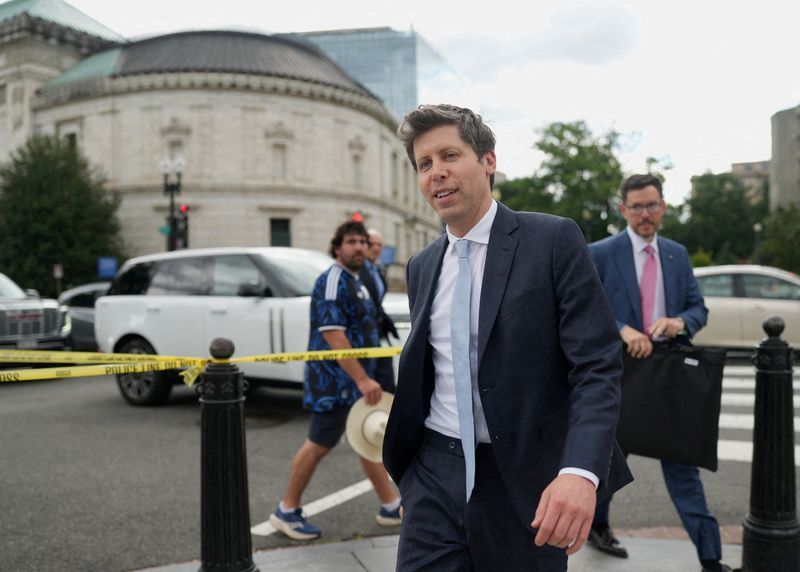
Sam Altman, chief executive of OpenAI, visited the White House in recent days, signalling direct engagement between the Trump administration and one of the sector's most prominent figures. His presence at these discussions indicates the administration's interest in hearing directly from industry leaders about practical implementation challenges. The involvement of multiple competing companies—Meta, Google, Anthropic and OpenAI—suggests a recognition that no single firm controls the trajectory of AI advancement, making coordinated approaches essential.
The broader context includes international developments that complicate America's regulatory choices. The European Union has implemented its AI Act, establishing one framework; China pursues a different regulatory path; and other nations are developing their own approaches. The United States now faces pressure to articulate a coherent position that addresses legitimate security concerns while maintaining technological leadership. These meetings represent an attempt to find that balance through collaboration with industry rather than through confrontation or strict mandates.
For Malaysian observers and policymakers, these developments carry significance beyond American borders. As artificial intelligence becomes increasingly central to economic competitiveness, digital infrastructure security and innovation capacity, Malaysia's own approach to AI governance will be influenced by how global powers handle these tensions. The precedents established through the Trump administration's voluntary testing framework and the ongoing debate about legislative mandates may eventually inform how Southeast Asian nations approach similar questions about balancing innovation, security and international competitiveness in the age of advanced artificial intelligence.

