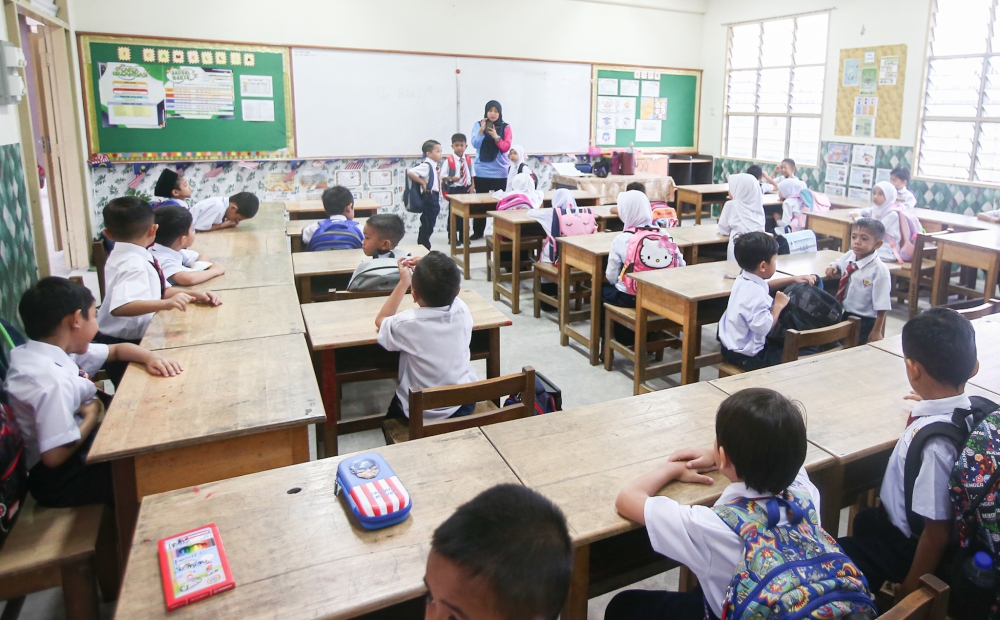
Malaysia's teaching profession is experiencing a profound crisis of confidence, with educators increasingly hesitant to exercise basic disciplinary authority over students as litigation fears and social media scrutiny transform the classroom environment. The National Union of the Teaching Profession has thrown its weight behind proposed legislation designed to shield teachers from legal consequences when enforcing school rules, marking an escalation in the profession's struggle to maintain order and authority in an increasingly litigious society.
The union's stance reflects a deteriorating situation in which parents have become more willing to pursue legal action against educators and schools over disciplinary decisions. Teachers report that what would once have been routine corrective measures—detention, loss of privileges, or verbal warnings—now carry the risk of costly lawsuits, police reports, and damage to professional reputations. This legal jeopardy extends beyond formal court proceedings; many educators also face coordinated online campaigns that amplify complaints and create reputational damage that can persist throughout their careers.
The proposed Teachers' Protection Act would establish a legal framework acknowledging that teachers acting within their mandated duties deserve protection from frivolous or malicious prosecution. Such protection is not without precedent in other professions; police officers, medical practitioners, and other public servants already operate with statutory safeguards that recognize the necessity of making difficult decisions in real time without fear of personal liability. The teaching profession has long operated without equivalent protections, leaving individual educators personally vulnerable for actions taken in their professional capacity.
This protection becomes especially critical in disciplinary matters where judgment calls are inevitable. Teachers must sometimes make split-second decisions about how firmly to enforce rules, when to involve parents versus administrators, and how to balance rehabilitation with accountability. Currently, any such decision can become the basis for litigation if a parent believes it was excessive or improper. The chilling effect is measurable: teachers report avoiding necessary interventions, declining to report serious infractions, and withdrawing from extracurricular responsibilities where accidents might occur and trigger lawsuits.
The union's endorsement also responds to the amplification effect of digital media, where isolated incidents can generate thousands of shares and comments within hours. Teachers have described experiencing campaigns where parents or social media activists organize public pressure through online platforms, demanding investigations, apologies, or resignations based on one-sided accounts of classroom events. The speed and scale of such campaigns means that even teachers ultimately vindicated by formal investigations suffer lasting professional damage.
Malaysian schools are already grappling with discipline challenges that protective legislation might address. Reports indicate that some schools have effectively abandoned enforcement of dress codes, punctuality rules, and academic honesty standards due to fear of parental backlash. This erosion of basic discipline creates chaotic learning environments that disadvantage well-behaved students and particularly harm disadvantaged pupils who depend on schools to establish clear behavioral boundaries.
However, the proposal arrives amid legitimate concerns about teacher conduct. Malaysia, like many nations, has experienced high-profile cases involving genuine abuse by educators, ranging from inappropriate physical punishment to sexual harassment. Any protection legislation must balance shielding teachers from vexatious claims while maintaining genuine accountability for serious misconduct. The challenge lies in crafting protections narrow enough to preserve public confidence that misbehaving teachers face consequences, yet broad enough to give educators the confidence to perform their duties.
International examples suggest that protective legislation works best when paired with clear guidelines about acceptable discipline methods. Countries with strong teacher protections typically specify which disciplinary techniques are permissible—often prohibiting physical punishment while permitting other methods—and require documentation of serious disciplinary actions. Such frameworks provide courts with clear standards for distinguishing between protected disciplinary action and genuine misconduct.
The timing of the union's push reflects mounting frustration among teachers about their eroding professional standing. In recent years, teaching has become a less attractive career choice for Malaysian graduates, with enrollment in teacher training programs declining. Mounting legal risks and social media vulnerability represent additional disincentives beyond modest salary comparisons with private sector alternatives. Reversing this trend requires restoring teachers' sense that society trusts their professional judgment and backs them when they act in good faith.
For parents and families, protective legislation raises important questions about accountability and recourse. How will parents challenge genuinely inappropriate discipline if teachers gain statutory protection? The answer lies in distinguishing between protection from frivolous claims—which most parents support—and blanket immunity for all conduct. Well-designed legislation would protect good-faith disciplinary decisions while preserving remedies for genuine misconduct, perhaps by requiring that protection apply only when teachers follow established procedures and act proportionately.
The debate also reflects broader questions about who bears responsibility for student behavior and school discipline. Many parents increasingly expect schools to manage every aspect of student conduct while simultaneously reserving the right to challenge any corrective measure they consider excessive. Teachers feel caught between impossible expectations: maintain perfect discipline and a positive learning environment while facing lawsuit if any parent objects to their methods.
Moving forward, Malaysian policymakers must recognize that teacher protection and student welfare are not opposing interests. Schools with clear, fairly enforced discipline codes actually provide safer and more equitable environments than those where rules are selectively enforced due to litigation fears. The union's advocacy for protective legislation thus serves not only teachers' professional interests but also the broader educational mission of creating institutions where learning can flourish.

