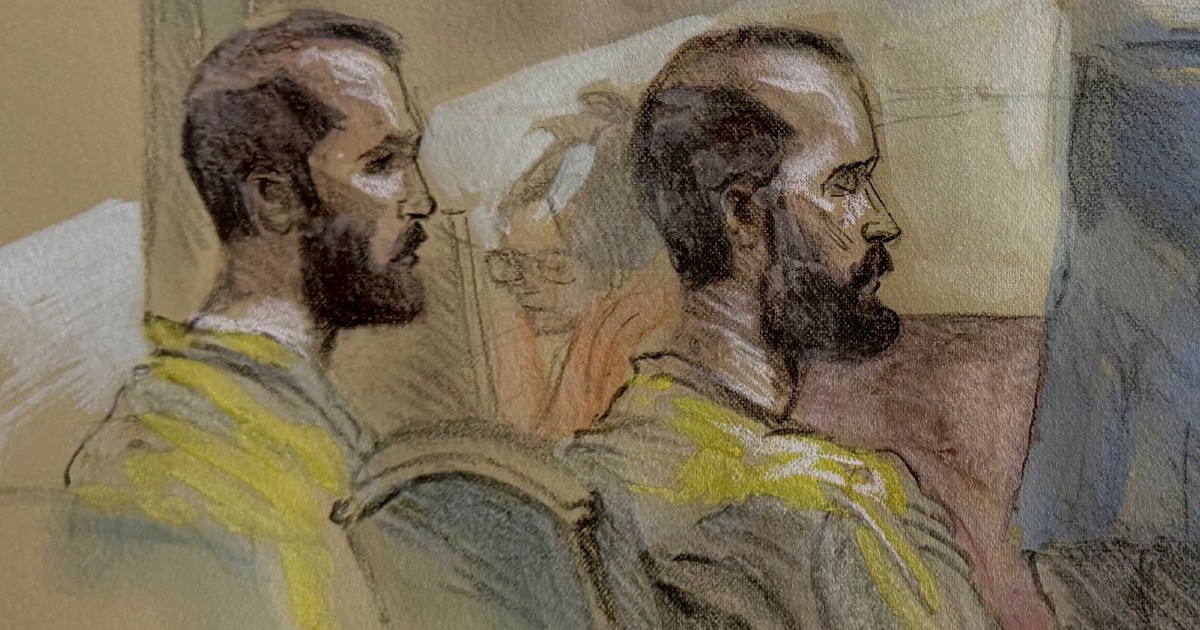
The prominent social media influencers Andrew and Tristan Tate will continue to be held in a Miami federal detention facility as they mount legal challenges against their extradition to Britain. During proceedings at Miami federal court on Thursday, Magistrate Judge Lauren Louis elected not to issue an immediate decision on the brothers' bail application, effectively extending their custody while the legal process unfolds. The delay means the pair will remain in federal custody pending the judge's full ruling on their extradition request.
The Tate brothers, who gained considerable notoriety through their online presence and self-promotion as high-living entrepreneurs and dating coaches, are confronting serious allegations in Britain. British authorities have charged them with rape and are seeking their return to face prosecution in the United Kingdom. The extradition proceedings represent a significant legal battle that will determine whether the brothers will be transferred to face the British criminal justice system.
The decision to withhold immediate bail relief underscores the complexity and seriousness of the charges involved. Magistrate Judge Louis's cautious approach suggests consideration of multiple factors typically weighed in such cases, including the strength of the prosecution's position, the nature of the allegations, and flight risk assessments. The judge's postponement of her ruling indicates she requires additional time to thoroughly examine the legal arguments and evidence presented by both sides.
For Malaysian readers and the broader Southeast Asian audience, this case illustrates the evolving challenges of international law enforcement in the digital age. The Tate brothers represent a new category of defendants—individuals who built substantial followings and commercial enterprises entirely through social media platforms. Their capture and detention demonstrate that even figures with significant online influence and apparent resources cannot escape accountability when accused of serious crimes spanning multiple jurisdictions.
The extradition proceedings also highlight the formal cooperation mechanisms between American and British legal systems. The United States and Britain maintain established protocols for handling such cases, reflecting decades of judicial cooperation and mutual legal assistance agreements. When allegations involve serious offences like rape, the formal extradition process typically moves forward with considerable urgency, particularly when multiple jurisdictions seek to exercise their authority.
The brothers' legal strategy has focused on contesting the extradition, which represents their most significant avenue for remaining in the United States rather than facing trial in Britain. Bail applications serve as a critical component of this broader defence approach, as obtaining release would provide greater opportunity to coordinate legal representation and prepare defence materials. The judge's decision to defer ruling on bail means the brothers cannot exploit this window of relative freedom.
British rape allegations carry considerable gravity within the UK criminal justice framework, and the Crown Prosecution Service's decision to pursue extradition indicates substantial confidence in the evidence gathered. The formal charges demonstrate that British investigators have conducted extensive investigations into the allegations and believe sufficient evidence exists to proceed with prosecution. This determination by British authorities carries weight in American extradition hearings, where judges must assess whether the foreign charges constitute comparable criminal offences.
The detention itself imposes significant hardship on the defendants while their legal cases progress through the system. Federal custody involves strict conditions, limited outside contact, and considerable restrictions on daily life. For individuals accustomed to lives of apparent luxury and freedom, such incarceration represents a dramatic reversal of circumstances. However, detention pending extradition proceedings is standard legal practice when flight risk or danger to the community is considered significant.
The timeline for the judge's ruling remains uncertain, and extradition cases frequently involve multiple hearings and legal submissions spanning months or even years. During this period, both the prosecution and defence will present arguments, evidence, and legal precedents supporting their positions. The judge must ultimately determine whether the charges in Britain correspond to recognisable American criminal offences and whether sufficient evidence exists to proceed with extradition under applicable treaties.
For the influencer industry and online personalities generally, this case serves as a sobering reminder that internet fame and commercial success provide no immunity from criminal investigation or prosecution. The Tate brothers' detention contradicts the image they cultivated online of invulnerability and special status. Their situation demonstrates that law enforcement agencies across jurisdictions actively pursue serious criminal allegations against high-profile individuals, regardless of their social media presence or perceived influence.
The case also raises questions about the responsibilities of social media platforms in moderating content and monitoring individuals who use their services to build substantial commercial enterprises and followings. Both Andrew and Tristan Tate leveraged digital platforms to develop their public personas and revenue streams, yet the same platforms that enabled their rise have not protected them from accountability for alleged criminal conduct.
As the legal proceedings continue, the brothers face an uncertain future. If the judge ultimately approves extradition, they will be transferred to British custody and required to face trial in the UK system. Their continued detention in Miami represents a holding pattern where their freedom remains subject to judicial determination and the progress of legal arguments on both sides of the Atlantic. The outcome will depend heavily on how Judge Louis evaluates the competing legal claims and whether she determines that extradition to Britain is appropriate under established law.

