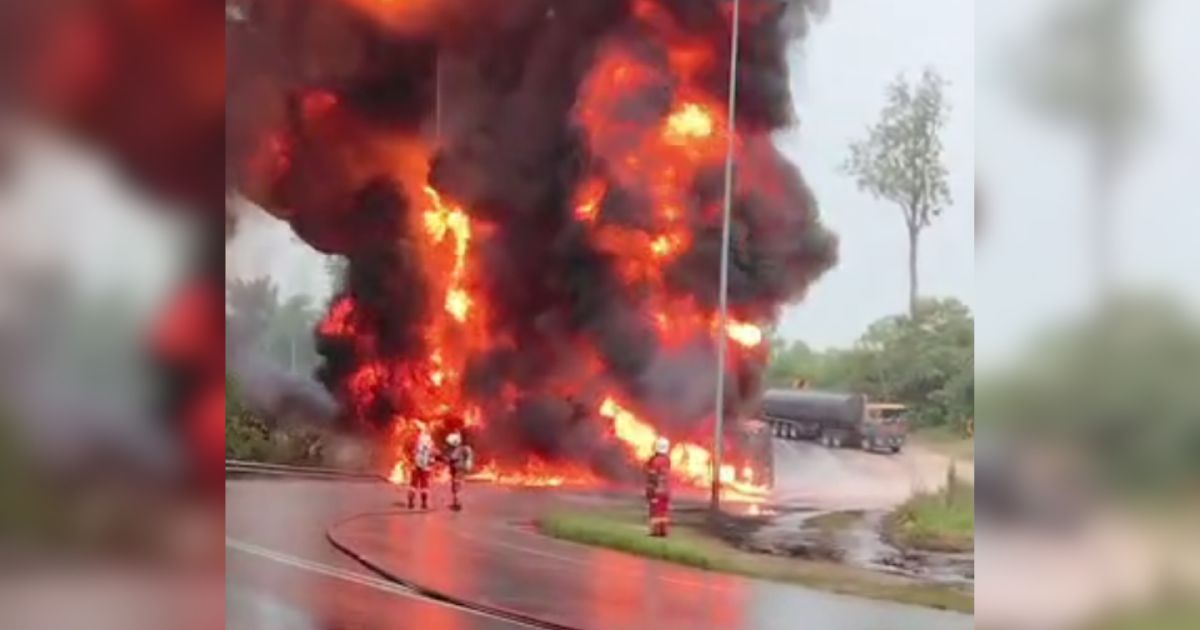
A fuel tanker driver remains in custody following a devastating collision on the Temerloh-Triang highway that resulted in the deaths of a mother and her son. The incident occurred at Km9 of Jalan Temerloh-Triang, in the vicinity of Kampung Lebak, yesterday. Authorities have secured a four-day remand order to facilitate their investigation into the circumstances surrounding the crash, signaling the gravity with which law enforcement is treating this incident.
The fatality brings fresh attention to road safety concerns on Malaysian highways, particularly in Pahang where trunk roads connect major population centers. The Temerloh-Triang corridor serves as a crucial transport artery linking the district of Temerloh with other parts of the state, seeing significant daily traffic from commercial vehicles, including heavy tankers transporting fuel and other hazardous materials. Such vehicles require heightened operational standards and driver vigilance given their potential to cause extensive damage and loss of life in the event of an accident.
The decision to remand the driver indicates that investigators are pursuing multiple lines of inquiry. These typically include examination of vehicle maintenance records, assessment of driver fatigue and adherence to operating hours regulations, investigation of road and weather conditions at the time of the incident, and any potential mechanical failures that may have contributed to the collision. The four-day detention period allows authorities to conduct preliminary forensic analysis and gather witness statements before determining whether further action is warranted.
Road fatalities involving commercial vehicles, particularly fuel tankers, raise critical questions about enforcement of safety protocols within the transport industry. In Malaysia, heavy vehicle operators are required to comply with stringent maintenance schedules and safety regulations overseen by the Road Transport Department. Driver qualification requirements, vehicle inspection standards, and adherence to speed limits are all components of the regulatory framework designed to minimize accidents. The remand suggests investigators will scrutinize whether proper procedures were followed in this case.
The loss of a mother and child in such circumstances resonates deeply within local communities and across the nation. Beyond the immediate tragedy for the bereaved family, such incidents create broader social anxiety regarding highway safety and the adequacy of existing protective measures. For Malaysian travelers, particularly those who use trunk routes regularly for commerce or leisure, incidents like this underscore the inherent risks of shared roadways with heavy commercial traffic moving at high speeds.
Temerloh, the district capital of the Pahang division of the same name, is situated along major transport corridors. The town experiences continuous vehicular movement, with the highway network serving as vital economic infrastructure. When serious accidents occur in such locations, they prompt examination of whether current safety infrastructure—including road design, signage, emergency response systems, and traffic management—adequately protects road users from collisions involving large vehicles.
The investigation will likely extend beyond the driver's immediate conduct. Authorities frequently examine whether the vehicle was appropriately maintained, whether tire conditions met safety standards, and whether the tanker's cargo load was properly secured and within permissible limits. For fuel tankers specifically, the hazardous nature of the cargo means that investigation protocols may include assessment of whether environmental or safety protocols were breached, in addition to standard traffic collision inquiries.
Driver fatigue remains a persistent concern in Malaysia's transport sector. Long-distance hauling frequently involves extended hours behind the wheel, and inadequate rest periods or non-compliance with mandatory break regulations contribute to numerous accidents annually. Investigators will likely examine logbooks and communications to determine whether the driver had adequate rest before the journey and whether operational practices within the transport company encourage safe driving habits or inadvertently pressure drivers to exceed safe working hours.
The broader context of commercial vehicle safety in Southeast Asia remains problematic. Malaysia, while having reasonably developed transport infrastructure and regulatory frameworks compared to some neighbors, continues to experience preventable fatalities on its highways. Organizations advocating for road safety have consistently called for stricter enforcement of existing regulations, enhanced penalties for violations, and improved driver training standards, particularly for operators of large commercial vehicles.
As the investigation proceeds, the remand period will be critical for establishing a factual foundation regarding what occurred at Km9 of Jalan Temerloh-Triang. Police will need to determine whether this was purely an accident resulting from unforeseen circumstances, or whether violations of traffic laws, negligence, or mechanical failures played a contributing role. The outcome will influence not only the legal proceedings against the driver but may also inform broader policy discussions about highway safety and the regulation of commercial transport operations throughout the region.

