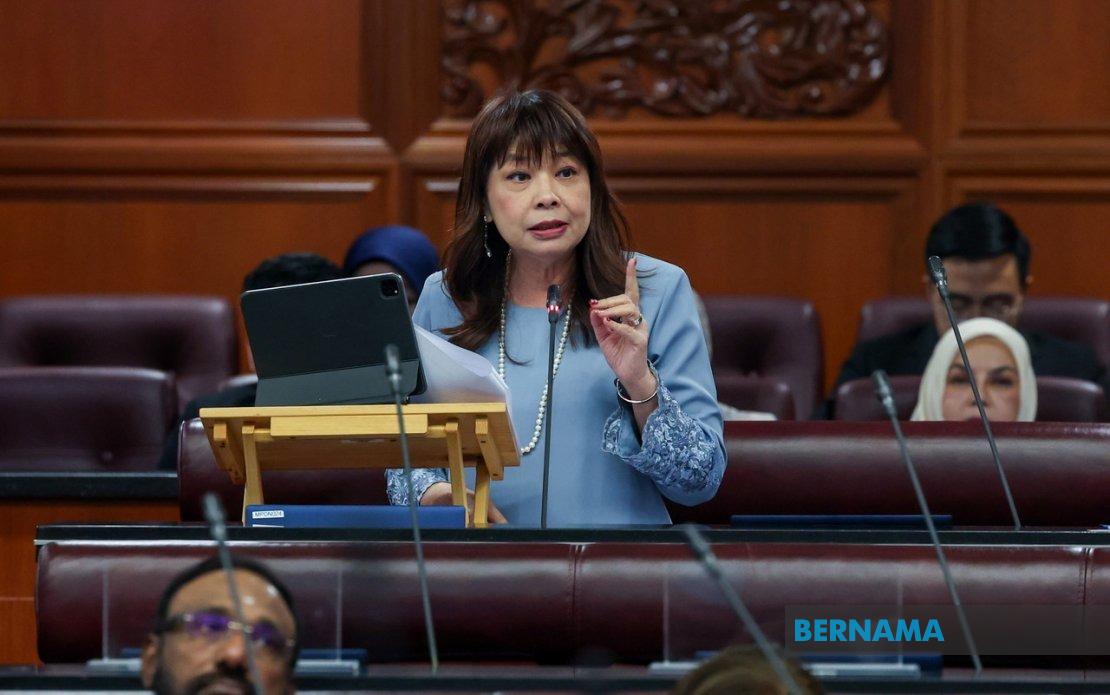
Malaysia's dedicated domestic violence hotline, Talian Kasih 15999, has become an increasingly critical lifeline for families in crisis, handling 9,327 calls related to abuse incidents over the past three years, according to Deputy Minister of Women, Family and Community Development Lim Hui Ying. Speaking during parliamentary question time on June 30, Lim revealed that these domestic violence calls represent a substantial portion of the 127,000 total welfare and social complaints the service has processed since 2022, underscoring the scale of family-related distress affecting Malaysian households.
The resolution rate for these cases demonstrates significant institutional commitment, with Lim confirming that all domestic violence complaints received from 2022 through May 2025 have been successfully resolved. The current caseload shows 470 calls received between January and May this year alone, with 406 cases already addressed and the remaining 64 actively being processed. This throughput suggests the ministry is managing demand reasonably effectively, though the persistent flow of new reports indicates that domestic abuse remains a persistent challenge across the nation.
The intervention mechanisms available through Talian Kasih extend beyond merely listening to complaints. When cases are substantiated, victims gain access to protective legal instruments including Emergency Protection Orders (EPOs) and Interim Protection Orders (IPOs), which provide immediate court-ordered safeguards against further abuse. Additionally, the programme connects vulnerable individuals with secure shelter placements, offering immediate sanctuary from dangerous home environments. These graduated protective measures reflect a comprehensive approach that moves beyond crisis counselling to tangible legal and physical protection.
A noteworthy shift in the demographic composition of domestic violence victims has emerged from the data, with Lim highlighting that male victims are now appearing with increasing frequency in case records. While the absolute numbers remain smaller than female-victim cases, this upward trend represents an important recognition of gender-neutral abuse dynamics within families. The observation challenges traditional perceptions of domestic violence as exclusively affecting women, suggesting that men facing abuse have become more willing to report incidents or that awareness campaigns have improved detection rates across gender lines.
This broadening recognition of male victimhood reflects evolving understanding of family violence as a human rights issue rather than a gender-specific phenomenon. Malaysia's approach, as articulated by Lim, explicitly commits to protecting all individuals regardless of gender or ethnicity, repositioning domestic violence intervention as a universal welfare concern. This inclusive framing is particularly significant in a multicultural, multi-religious society where family structures and honour concepts may create additional barriers to reporting for both male and female victims from different communities.
The parliamentary context of this disclosure is equally important. Datuk Muslimin Yahaya's question regarding Talian Kasih's effectiveness reflected legislative scrutiny over whether the hotline translates complaint reception into meaningful intervention. The response confirms that the service does proceed beyond intake to actual follow-up action, though tracking the long-term outcomes of these interventions remains opaque from public reporting. Questions persist about whether EPOs and IPOs effectively deter repeat offenders or merely delay confrontation until protective orders expire.
The volume of calls—averaging roughly 3,100 annually—suggests that domestic violence remains endemic rather than episodic in Malaysian society. Whether this reflects genuine prevalence or improved willingness to seek help remains unclear, though public awareness campaigns and media coverage of abuse cases likely contribute to increased reporting. The resolution rate, while appearing positive on surface metrics, does not indicate whether victims achieve lasting safety or whether the underlying conflict within families is actually resolved.
Regional context matters significantly here. Neighbouring Southeast Asian nations face comparable domestic violence challenges, yet Malaysia's public data on hotline performance provides a model for transparency. However, the absence of demographic breakdowns by ethnicity, age, or income level limits deeper understanding of which populations face highest vulnerability. Rural areas, urban migrant communities, and indigenous populations may experience dramatically different access to these services.
The implication for Malaysian policymaking is clear: domestic violence intervention requires sustainable funding, trained personnel, and coordination between police, courts, shelters, and counselling services. The Talian Kasih figures demonstrate demand that shows no signs of diminishing. As awareness spreads and gender-inclusive victim identification expands, call volumes will likely increase further, placing pressure on existing infrastructure and requiring strategic planning for service expansion to maintain response quality.

