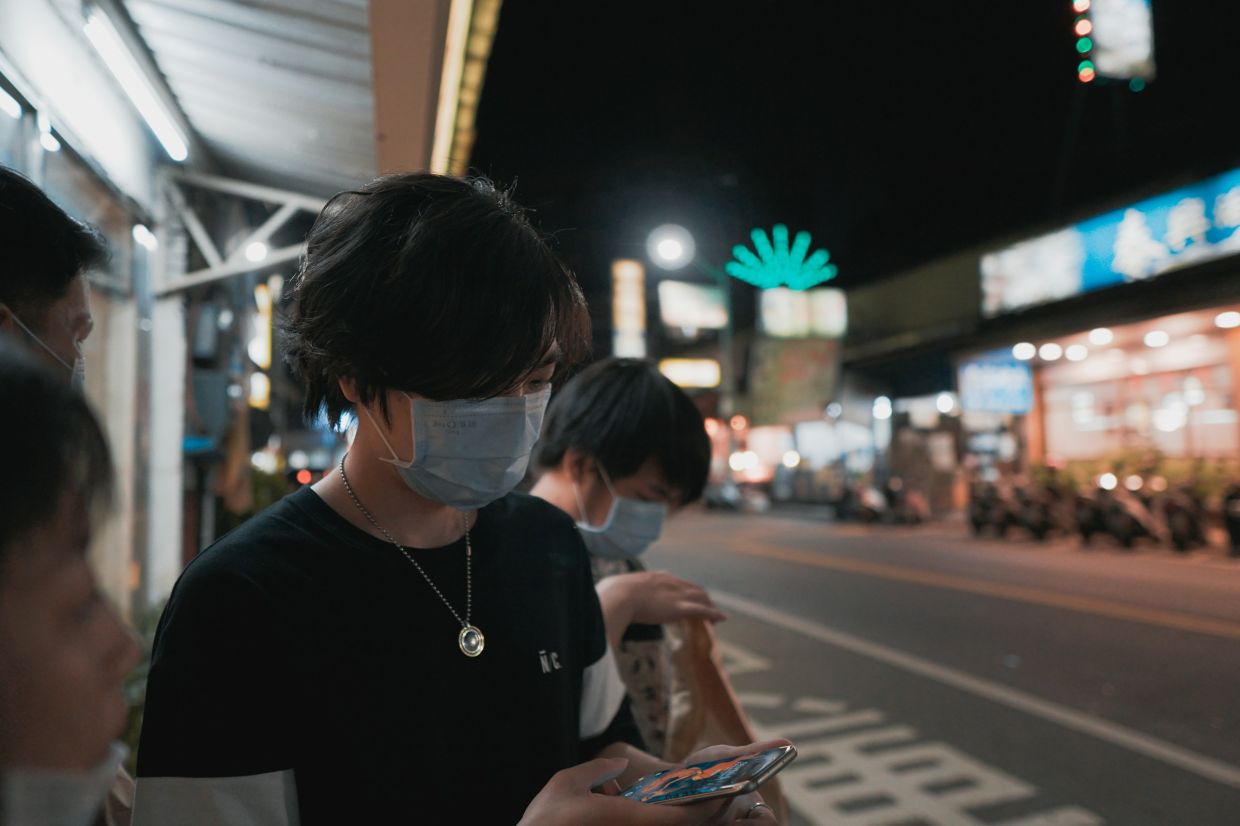
Taiwan is preparing its population for the prospect of widespread telecommunications collapse by conducting its first-ever simulation of mobile internet disruptions, marking a significant escalation in the island's civil defence readiness as geopolitical tensions with China mount. The exercise, scheduled for August 10 in central Taiwan and August 13 in northern regions including Taipei, will deliberately degrade mobile data services to levels that render video streaming and browsing practically unusable, while preserving voice calls, text messaging, and fixed-line broadband connectivity. National security officials revealed the plan during briefings on July 20, underscoring Taiwan's shift toward more authentic disaster and conflict scenarios in its annual resilience assessments.
The two-hour window from 2:30 pm to 3 pm on each test date represents a carefully calibrated attempt to shock the public into recognising the fragility of modern digital infrastructure without causing genuine disruption to critical communications channels. This measured approach reflects Taiwan's dual objective: educating millions of citizens about realistic wartime or post-disaster conditions while avoiding the kind of widespread panic that an unannounced total blackout might trigger. Officials described the drill as foundational training in identifying alternative communication methods and establishing household contingency plans for family reunification and accessing information about emergency shelters and relief distribution points.
The timing of these drills reflects an increasingly urgent assessment within Taiwan's security establishment regarding the trajectory of cross-strait relations. Beijing has dramatically intensified military pressure over the past several years, conducting near-daily air force incursions and naval operations around the island whilst periodically launching large-scale exercises that implicitly rehearse invasion scenarios. China's leadership continues to refuse publicly renouncing military options to force Taiwan's political integration, and more recently has signalled its intention to maintain extensive maritime patrol operations east of Taiwan following coordinated maritime boundary delimitation discussions between Japan and the Philippines in contested regional waters. For Taiwan's defence planners, these actions represent not theoretical contingencies but urgent security challenges requiring population-wide preparedness.
The mobile internet throttling exercise should be understood within Taiwan's broader strategic context as a democracy committed to transparent governance but acutely aware that its survival may depend on how effectively citizens can maintain social cohesion and obtain critical information during the kind of catastrophic infrastructure damage that modern conflict inflicts. Military specialists and emergency management officials have concluded that Taiwan's dense urban populations and reliance on mobile networks create acute vulnerabilities. An adversary capable of degrading Taiwan's digital infrastructure could simultaneously disrupt emergency services coordination, spread confusion and misinformation, and prevent families from verifying the safety of loved ones—thereby creating psychological and social collapse potentially as damaging as physical destruction.
Taiwan's officials have candidly acknowledged that the drills represent an intentional move toward realism in disaster preparedness. Previous exercises, they suggested, had relied too heavily on hypothetical scenarios that failed to capture the actual disorientation and practical challenges citizens would face during genuine emergencies. By allowing the public to experience, even briefly and in a controlled manner, what mobile network degradation feels like in real time, Taiwan aims to shift public psychology from abstract awareness toward concrete preparedness. Households will discover whether their family communication protocols work in practice, whether they know the locations of nearby shelters, and whether they possess alternative ways to gather information beyond smartphone applications.
The August drills will encompass substantially more than telecommunications simulation. Exercises will include realistic evacuation operations designed to stress-test traffic management systems, protocols for rapidly expanding hospital and medical facility capacity, and testing of drone-based delivery systems for delivering essential commodities and medical supplies to isolated or damaged areas. This comprehensive approach reflects strategic thinking about the full spectrum of infrastructure degradation and civilian mobilisation that major conflict or catastrophic natural disaster would necessitate. Taiwan, positioned on the Pacific Ring of Fire and regularly battered by typhoons, understands that emergency resilience frameworks must function equally well across multiple disaster types and severities.
For neighbouring Southeast Asian countries and regional observers, Taiwan's escalating drill sophistication carries significant implications. Taiwan's vulnerability to infrastructure-targeted warfare directly affects regional stability calculations and supply chain security throughout Asia. Taiwan produces over 60 per cent of the world's semiconductors and over 90 per cent of the most advanced chips, making any extended period of infrastructure collapse or manufacturing disruption a potential global economic catastrophe. Singapore, Malaysia, and other regional trading partners have direct economic interests in Taiwan's ability to maintain civil order and rapidly restore critical industrial capacity following any emergency. Taiwan's willingness to conduct increasingly realistic and comprehensive drills, therefore, demonstrates responsible stewardship of the technological assets upon which regional and global prosperity substantially depends.
The deliberate throttling of mobile speeds represents a sophisticated form of psychological preparation distinct from traditional military exercises or disaster drills. Rather than asking citizens to imagine network disruption, Taiwan is allowing people to experience it microscopically, triggering the cognitive and emotional responses that actual emergencies would produce. This pedagogical approach recognises that abstract information about potential disasters frequently fails to motivate behaviour change, whereas direct experience, even when scaled and controlled, creates visceral understanding and motivates genuine preparedness actions. The exercise essentially asks millions of Taiwanese to confront whether they have truly prepared for contingencies that their government now considers sufficiently probable to warrant mainstream public engagement.
Looking forward, officials indicated that future drills will likely expand significantly in scope, potentially simulating disruptions to other critical telecommunications infrastructure beyond mobile networks. Broadband connectivity, fixed-line telephone systems, and emergency broadcast capabilities could all become targets for simulation exercises as Taiwan develops increasingly comprehensive understanding of how modern urban societies would function under conditions of substantial infrastructure degradation. This evolutionary approach to civil defence preparation suggests Taiwan's security planners are thinking systematically about vulnerability cascades—how failure of one system triggers failures in dependent systems, potentially collapsing social order far more rapidly than physical destruction alone would achieve.
The announcement of these drills, made through official channels rather than secret protocols, reflects Taiwan's democratic values and commitment to public transparency even regarding sensitive national security matters. This openness contrasts sharply with authoritarian approaches to emergency preparation and suggests Taiwan's leadership believes that an informed, prepared citizenry constitutes a genuine national security asset. Citizens who understand potential emergency scenarios and have mentally and practically prepared for them will respond more effectively to actual crises, recover more rapidly from disruption, and demonstrate greater social cohesion precisely when external threats seek to exploit panic and confusion. In this sense, Taiwan's mobile internet simulation represents not merely technological testing but democratic investment in citizen resilience and collective national preparedness.

