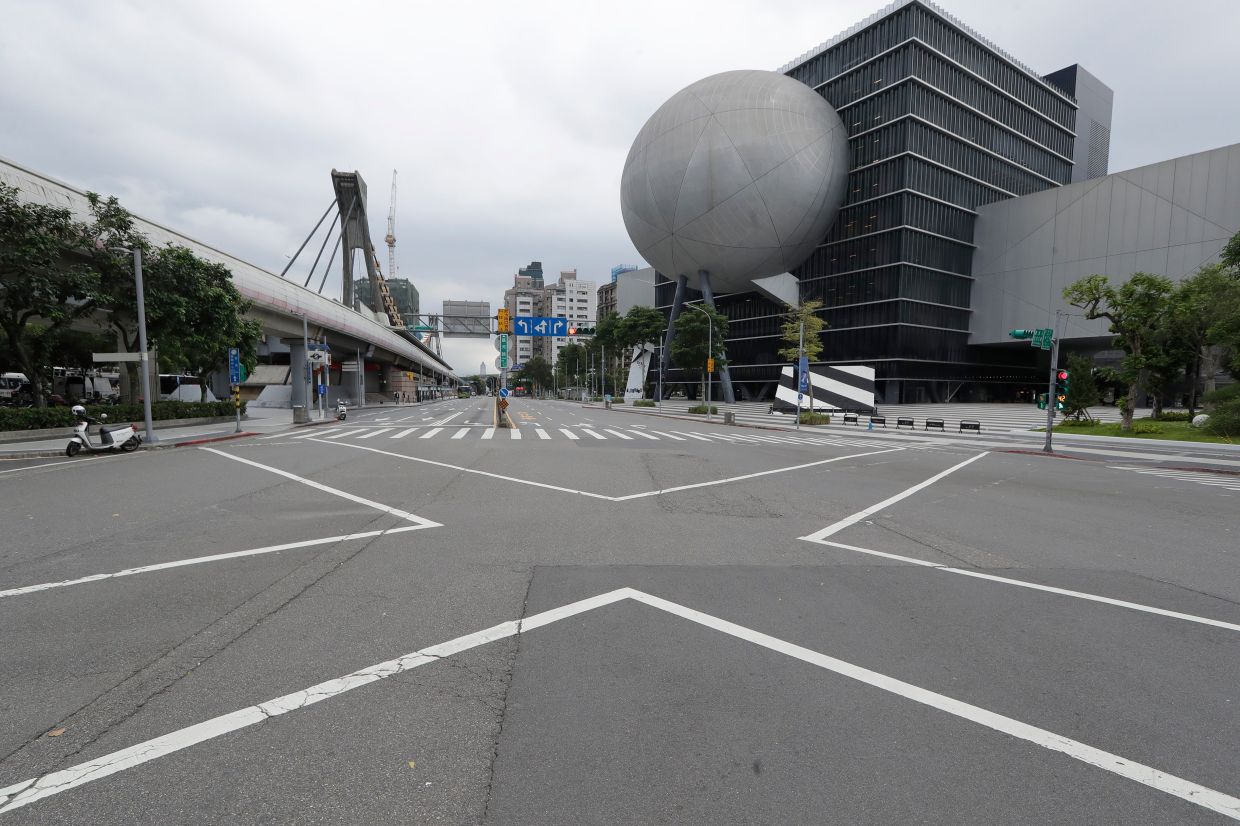
Taiwan's government orchestrated a coordinated slowdown of mobile internet services across Taipei and six other major cities and localities on August 13, reducing speeds to 256 Kbps—a pace that permits little more than text-based messaging—as the centrepiece of the final phase of its Han Kuang annual military exercises. The initiative marks a significant escalation in how Taiwan approaches civil preparedness, shifting from largely invisible drills that barely disrupted daily life to exercises that deliberately inconvenience the general public to simulate realistic wartime conditions.
During normal operations, residents across Taiwan's urban centres enjoy high-speed 5G connectivity, making the deliberate degradation to 1990s-era dial-up speeds a striking departure from routine network performance. Telecommunications operators nationwide coordinated the throttling, which affected millions of commuters, workers, and residents attempting to access their usual digital services. The restriction meant that streaming, video calls, app downloads, and most online activities became effectively impossible, forcing the population to rely on text-based communication—a scenario planners believe would mirror genuine wartime constraints when infrastructure damage and electromagnetic pulse effects could similarly cripple connectivity.
President Lai Ching-te publicly acknowledged the disruption and apologised to citizens, framing the exercise as a necessary sacrifice for national security. "We ask for your understanding and support, as this is a necessary drill," Lai stated, signalling that the government views civilian inconvenience as a justified cost of maintaining defence readiness. This marked a departure from previous years when urban resilience exercises went largely unnoticed because they deliberately avoided disrupting essential services or daily routines. Air raid drills in Taipei's metro stations, for instance, historically proceeded without halting passenger flow or significantly altering the urban environment.
The Han Kuang exercises, which commenced the previous week and encompass military operations and civilian response protocols, represent Taiwan's systematic approach to preparing for potential cross-strait conflict scenarios. The drills have intensified considerably, now incorporating reservist units and civilian participation on a scale unseen in previous iterations. Rather than confining exercises to military installations or conducting them during off-peak hours, planners now deliberately stage disruptions during business and commuting hours, ensuring that working-age adults and the broader population experience firsthand the logistical and psychological challenges of wartime conditions.
This evolution in Taiwan's defence strategy reflects growing concerns about security challenges in the Taiwan Strait and recognition that civilian resilience proves as critical as military capability. Planners have shifted focus toward real-world scenario modelling, meaning exercises now simulate plausible outcomes rather than theoretical best-case responses. Coordination with local governments and municipal authorities has become integral, ensuring that city administrations understand their roles during crises and can execute emergency protocols without delay. The involvement of telecommunications companies in throttling speeds demonstrates how critical infrastructure operators have been brought into the preparedness framework.
At Taipei's metro stations on Thursday afternoon, August 13, officials sealed station exits as part of simulated air raid scenarios, temporarily confining passengers inside the underground facility. Allen Hsieh, a visitor from Hong Kong who found himself among those detained, waited approximately thirty minutes before gates reopened. Despite the inconvenience, Hsieh assessed the exercise positively, noting that its realism exceeded his expectations. "The exercise did not cause me any inconvenience," he remarked, somewhat paradoxically, before elaborating that he appreciated the authenticity of the simulation. "I know that Taiwan needs to conduct exercises, given the current situation. I can understand that. I did not expect it to be so real. I thought I would only receive text messages."
Hsieh's observation captures the dual nature of Taiwan's new approach: yes, disruptions are deliberately imposed, yet their credibility generates public acceptance rather than resentment. The visceral experience of internet throttling and controlled confinement proved more persuasive than theoretical briefings about wartime scenarios. For Southeast Asian observers, Taiwan's strategy offers insights into how democracies might prepare populations for security threats without triggering panic or eroding institutional trust. The emphasis on transparency—with President Lai publicly apologising rather than obscuring the exercise—may enhance civic willingness to endure future disruptions.
The Han Kuang drills extended beyond telecommunications and transport infrastructure to encompass healthcare systems. President Lai toured a hospital participating in the exercises, where staff demonstrated protocols for relocating critical medical operations to underground facilities. This reflects planners' recognition that modern conflicts would target civilian medical capacity, necessitating rehearsed procedures for maintaining healthcare delivery amid bombardment or infrastructure collapse. The integration of hospitals into civil defence exercises represents a holistic approach to civilian resilience, treating healthcare continuity as essential as communication or transport.
For Malaysia and other ASEAN members, Taiwan's intensified civil defence posture carries implications for regional security perceptions. Neighbouring states observe Taiwan's preparations as barometers of cross-strait tensions and indicators of how democratic societies operationalise security concerns. Taiwan's willingness to impose temporary service disruptions suggests confidence in public understanding of geopolitical realities and trust that citizens will accept inconveniences framed as defensive necessities. This contrasts with authoritarian approaches that might implement similar measures coercively, without explanation or apology.

