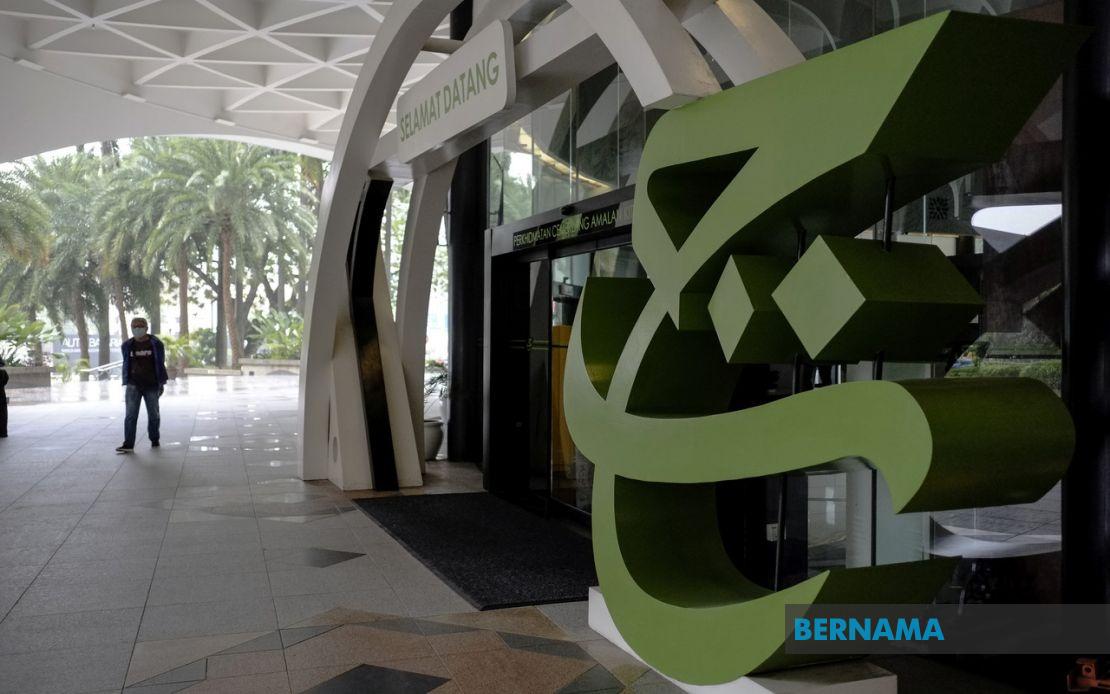
Tabung Haji's recovery programme has delivered measurable results in stabilising the finances of Malaysia's iconic hajj savings institution, according to findings released by the Royal Commission of Inquiry. The comprehensive restructuring addressed massive investment losses totalling RM12.6 billion that had threatened the livelihoods of millions of Malaysian Muslims saving for their pilgrimage to Mecca. The commission's fully declassified report reveals how RM10 billion was handled under the 2018 Recovery Plan, with the remainder progressively resolved through the end of 2025, marking a critical turning point for an institution that had faced existential financial challenges.
The numerical recovery reflects genuine improvements in TH's operational capacity. Investment income surged to RM4.64 billion in the most recent reporting year, representing the strongest performance since 2018 and demonstrating that the institution's core investment machinery is now functioning more effectively. This resurgence directly translates into higher profit distributions for depositors, which have climbed from 1.25 per cent in 2018 to 3.25 per cent in 2024 and 3.5 per cent in 2025. For Malaysian Muslims relying on TH accounts as part of their hajj preparation, this trajectory offers meaningful reassurance that their savings are growing rather than eroding.
Central to this turnaround was a controversial asset transfer strategy. TH sold its underperforming assets to Urusharta Jamaah Sdn Bhd, a government-backed special purpose vehicle designed to absorb toxic holdings while allowing TH to refocus on core hajj operations. The original transfer valued these assets at RM19.9 billion despite a contemporaneous market valuation of RM9.7 billion, creating a RM10.2 billion premium that was essentially absorbed by government support. This mechanism, while necessary to prevent institutional collapse, raised complex questions about asset pricing and government contingent liabilities that remain relevant to Malaysian fiscal watchers.
The Royal Commission's assessment credits the restructuring with preserving TH's financial position and preventing broader systemic damage. However, the inquiry struck a cautious tone regarding long-term viability, explicitly warning that the recovery plan should not be treated as a permanent solution to underlying structural weaknesses. The commission identified critical gaps in corporate governance frameworks, the adequacy of the regulatory environment, and the robustness of risk management systems. These observations suggest that TH's recovery, while genuine, operates within a fragile architecture that could deteriorate without sustained institutional discipline.
Government capacity represents a looming constraint on TH's future. The transfer of assets to the special purpose vehicle was financed through sukuk issuances backed by government letters of support, carrying annual profit rates of 4.05 per cent and 4.10 per cent. The commission explicitly flagged concerns about whether the government could sustain redemptions of these sukuk instruments and maintain promised annual cash allocations. This structural dependency on government backing creates contingent fiscal risks that extend beyond TH itself, with potential implications for broader Malaysian fiscal management during periods of economic stress.
Interestingly, the relationship between TH and its special purpose vehicle has begun normalising through modest asset reacquisitions. In a recent development, TH repurchased the Tun Razak Exchange land for RM270 million against the original transfer price of RM400 million, and the UJ Estates oil palm plantation for RM695 million compared with the initial RM800 million transfer value. These buybacks below original prices suggest either improved market conditions, more realistic valuation practices, or both, indicating that the worst distortions from the original crisis-era transfers may be unwinding.
The commission identified implementation progress on 75 per cent of its recommendations, with the government committing to accelerate delivery of the remaining 25 per cent. This incomplete reform agenda encompasses critical areas including legislative amendments to the Tabung Haji Act 1995, enhanced risk management and cost control mechanisms, and the establishment of a comprehensive regulatory framework designed to sustain institutional resilience. The fact that one-quarter of recommendations remain pending suggests that while the acute financial crisis has passed, the chronic governance deficiencies that contributed to TH's difficulties have not yet been fully remedied.
For Malaysian depositors, the immediate implications are reassuring. The steady improvement in profit distributions and the documented restoration of investment income provide concrete evidence that TH's financial position has genuinely strengthened. The institution has also begun actively rebuilding reserves to underpin long-term sustainability rather than simply distributing available cash. These developments offer relief to the millions of Malaysians who maintain TH accounts as integral components of their hajj savings strategies.
However, broader policy considerations warrant attention. TH's recovery remains partially dependent on government fiscal capacity and support mechanisms that create systemic interdependencies. The incomplete reform agenda, while progressing, indicates that the institutional weaknesses that enabled the original crisis—spanning governance, risk management, and regulatory oversight—persist in modified form. Future economic stress or changes in government fiscal capacity could expose these remaining vulnerabilities.
The commission's framing of the recovery plan as an interim measure rather than a permanent solution carries important implications for policymakers. It suggests that further structural reforms, including potential legislative changes and enhanced regulatory oversight, should be prioritised to reduce systemic dependency on government support and enhance TH's capacity to withstand future shocks. The relatively conservative assessment, despite clear financial improvements, reflects appropriate institutional caution about declaring victory prematurely.
For Malaysia's broader financial system, TH's experience underscores the challenges of managing large, systemically important institutions that combine investment functions with social policy objectives. The tension between prudent investment management and the provision of accessible hajj savings services requires careful institutional design and regulatory frameworks that TH's current structure may not fully optimise. The commission's recommendations around legislative reform likely reflect recognition that incremental adjustments are insufficient to fully address these underlying strategic challenges.

