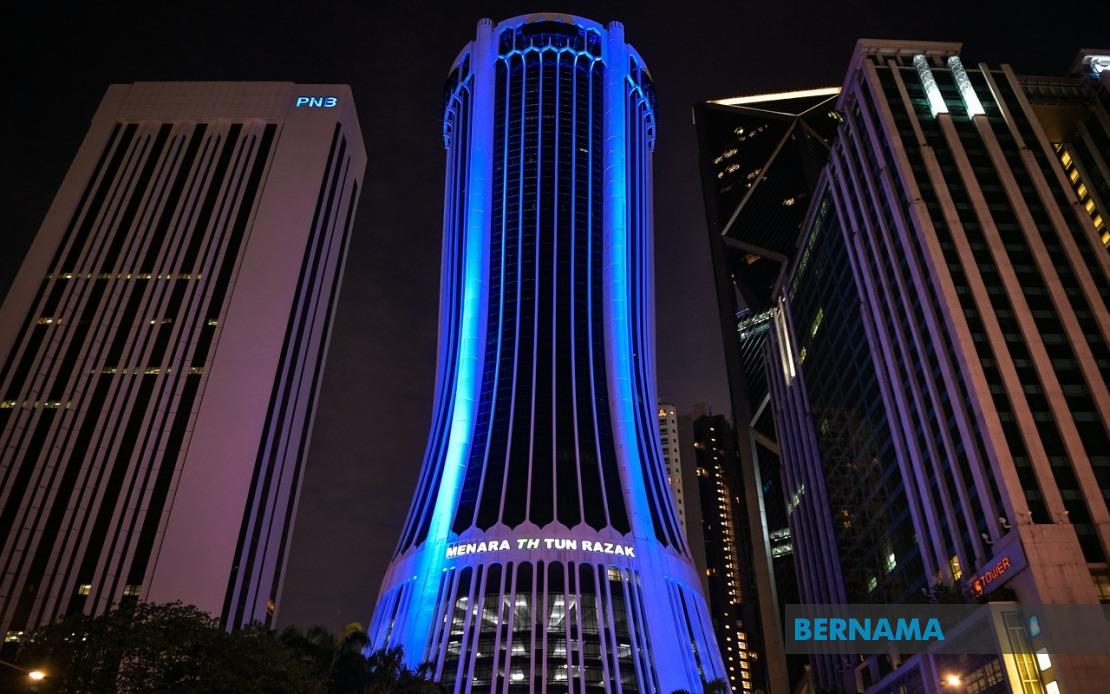
Tabung Haji has committed to carefully reviewing a memorandum submitted by Islamic non-governmental organisations as the national hajj institution continues its multiyear recovery and institutional strengthening programme. The move comes as pressure mounts on Malaysia's largest Muslim financial institution to demonstrate tangible progress in implementing governance reforms outlined by a Royal Commission of Inquiry, with stakeholders seeking visible accountability for past mismanagement that affected nearly 10 million depositors.
The memorandum, jointly submitted by the Himpunan Gerakan Islam Malaysia coalition and the Coalition of Islamic NGOs, contains ten specific demands aimed at ensuring Tabung Haji restores public confidence through decisive action and transparent administration. Rather than viewing the submission as external criticism, Tabung Haji characterised the NGO intervention as reflecting genuine public concern for protecting Muslim community interests and supporting the institution's rehabilitation efforts. This framing suggests the institution welcomes pressure from civil society as validation of its reform trajectory rather than a challenge to its authority.
Among the key demands presented by HIKAM, which encompasses organisations including WADAH, IKRAM, HALUAN and ABIM, are calls for immediate legal action against those responsible for financial misappropriation, systematic asset recovery, and transparent, scheduled implementation of outstanding RCI recommendations. The NGOs have also emphasised the necessity for continued governance reforms aligned with the government's MADANI agenda, reflecting broader concerns within Malaysia's Islamic civil society about institutional integrity. Notably, the coalition warned against politicising the Tabung Haji issue in ways that could sow discord within the Muslim community, suggesting apprehension about the institution becoming a tool for factional struggle.
Tabung Haji's response indicates substantial progress in what officials describe as an eight-year recovery trajectory dating from 2018. The institution has implemented more than 75 per cent of the Royal Commission's recommendations, positioning it to complete the remaining quarter of required reforms in coming months. This completion rate suggests the institutional machinery for change has matured significantly, though the persistence of outstanding measures indicates structural and procedural challenges requiring sustained attention rather than quick fixes.
The Royal Commission of Inquiry process itself represented a watershed moment for Malaysian Islamic institutions, establishing external accountability mechanisms that had been absent despite Tabung Haji's size and significance. The inquiry's findings exposed governance failures, mismanagement and apparent breaches of fiduciary duty that shook public confidence in how Muslim community assets were being stewarded. For many Malaysian Muslims, the RCI represented both vindication of long-standing concerns and a framework for institutional redemption, though implementation of its recommendations has demanded persistent effort across management cycles.
Tabung Haji's chairman, Tan Sri Abdul Rashid Hussain, has become the public face of this recovery agenda, with reform efforts explicitly linked to his stewardship. The Daie MADANI organisation publicly endorsed his administration, signalling political and civil society backing for the ongoing transformation. This personal dimension to institutional reform carries both advantages—clear leadership narrative—and risks, since setbacks or perceived slowness in addressing remaining issues could reflect poorly on individual leaders rather than systemic progress.
For Malaysian depositors, who have entrusted their hajj savings to the institution, these governance improvements carry direct material significance. The completion of remaining RCI recommendations should translate into tighter financial controls, enhanced transparency in fund management and stronger mechanisms preventing conflicts of interest or misappropriation. These safeguards ultimately determine whether the 9.8 million depositors can have genuine confidence that their contributions will be available when needed for pilgrimage.
The NGO memorandum's emphasis on preventing exploitation of Tabung Haji issues for political purposes reflects awareness that institutional reform efforts can become embroiled in broader political contests, potentially undermining necessary changes. By calling for firm, transparent action conducted according to law rather than partisan advantage, the coalition seeks to depoliticise what could otherwise become a sectarian or factional battleground. This stance acknowledges that rebuilding trust in Muslim institutions requires consensus across Malaysia's diverse Islamic civil society rather than contestation.
International context matters here as well. Southeast Asian governments and international observers have increasingly scrutinised how major Islamic financial institutions are governed, particularly following high-profile scandals in the region affecting Muslim community assets. Tabung Haji's recovery efforts therefore carry implications beyond Malaysia, signalling to regional peers and international bodies whether large Islamic institutions can successfully reform themselves through domestic mechanisms or require deeper external oversight.
The path ahead requires Tabung Haji to demonstrate that reform momentum will not flag as media attention moves elsewhere. Completing the final 25 per cent of RCI recommendations will require sustained commitment from management and the government, particularly regarding any remaining legal action against those identified during the inquiry. NGO groups will likely maintain pressure on the institution to ensure follow-through, serving as accountability partners beyond formal government structures. The memorandum should therefore be viewed not as an endpoint but as a marker sustaining momentum toward the institutional transformation that Malaysian Muslims deserve from their national pilgrimage fund.

