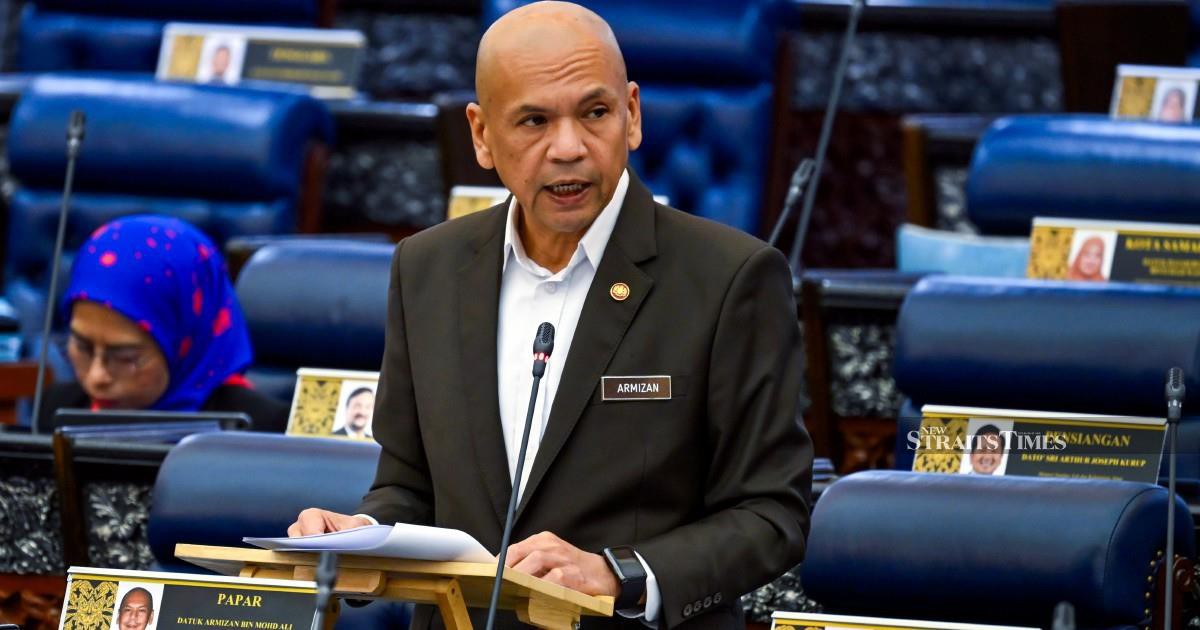
Concerns about the credibility of audit reports submitted to Malaysia's highest decision-making bodies have surfaced following the release of the Royal Commission of Inquiry report into Tabung Haji, with multiple parliamentarians voicing their unease about the findings. The RCI investigation has cast doubt on the reliability of financial audits that were previously presented to the Cabinet, Parliament and the Malaysian public, prompting fresh scrutiny of the processes governing oversight of the pilgrimage fund.
The findings underscore broader anxieties about institutional accountability mechanisms in Malaysia's public sector. When audit reports presented to top government institutions are subsequently contradicted by independent inquiry findings, the implications extend far beyond a single organisation. The question of how such discrepancies could have gone undetected or unaddressed raises fundamental issues about the quality and independence of audit functions charged with safeguarding public assets and maintaining transparency in governance.
Tabung Haji, which manages savings and investments for Malaysian pilgrims preparing for the Hajj journey, holds considerable public trust given its role in handling funds belonging to hundreds of thousands of ordinary Malaysians. The fund has been a cornerstone of Islamic financial services in Malaysia for decades, and the integrity of its operations is vital not only for its members but for public confidence in religious and social institutions more broadly. Any question mark over the accuracy of previously submitted audit findings therefore carries significant weight among stakeholders who depend on these safeguards.
The RCI's investigation appears to have uncovered gaps or discrepancies between what auditors reported and what independent examination revealed upon deeper scrutiny. Such divergence between official audit narratives and actual conditions raises uncomfortable questions about whether existing audit protocols are sufficiently rigorous, whether auditors face adequate independence from management pressure, or whether the audit approval and verification processes require strengthening. These are systemic concerns that extend well beyond Tabung Haji itself.
For Malaysian policymakers and oversight bodies, the report presents a catalyst for broader reflection on audit standards across public institutions. If parliamentary and Cabinet-level decision-making relied on audit findings that the RCI investigation now contradicts, it suggests that the assurance mechanisms considered standard practice may require recalibration. This is particularly pressing given Malaysia's ongoing efforts to strengthen governance standards and restore public confidence in institutional processes following earlier scandals affecting large public organisations.
The timing of these revelations coincides with Malaysia's broader reformation agenda around transparency and accountability. Lawmakers who spoke today about the RCI findings appear motivated by a recognition that public institutions cannot function effectively if the information streams flowing to decision-makers are compromised or unreliable. The concern extends to pension funds, sovereign wealth vehicles and other large public pools of capital that similarly depend on audit integrity for credible governance.
The implications for Tabung Haji's future operations are substantial. The fund must now navigate the challenge of restoring confidence among its members, many of whom will have seen reports questioning the reliability of information they received about their savings. Beyond internal reforms, Tabung Haji will likely face intensified external scrutiny as Parliament and relevant regulatory bodies reassess how the organisation conducts financial reporting and what additional oversight mechanisms might be warranted.
From a regional perspective, Malaysia's experience offers cautionary lessons for other Southeast Asian jurisdictions managing large public funds or pension vehicles. The Tabung Haji case illustrates how institutional failures can accumulate undetected within established governance frameworks if audit processes lack sufficient independence or rigour. Other nations in the region managing similar pilgrimage funds or religious endowments may review their own oversight arrangements in light of developments here.
The RCI report also raises questions about communication patterns between auditors, management and regulatory authorities. When concerns about financial integrity exist, effective governance systems should have mechanisms enabling those concerns to surface promptly to relevant oversight bodies rather than remaining buried until a formal inquiry uncovers them. The apparent delay in surfacing issues that the RCI has now documented suggests that these communication pathways require examination and potentially significant redesign.
Moving forward, stakeholders including Parliament, regulatory authorities and public fund management bodies will need to determine what concrete reforms should follow the RCI findings. This likely encompasses enhanced audit independence safeguards, strengthened verification protocols, more frequent or rigorous third-party reviews of large public institutions, and improved mechanisms for rapid escalation of concerns. The credibility of Malaysia's institutional architecture for managing public resources may partly depend on how thoroughly and swiftly these recommendations are implemented.
The broader message from today's parliamentary concerns is that audit integrity cannot be treated as a technical matter of secondary importance. It stands as a foundational element of institutional trustworthiness, particularly for organisations managing collective savings or investments. The Tabung Haji RCI findings have made this principle impossible to overlook.

