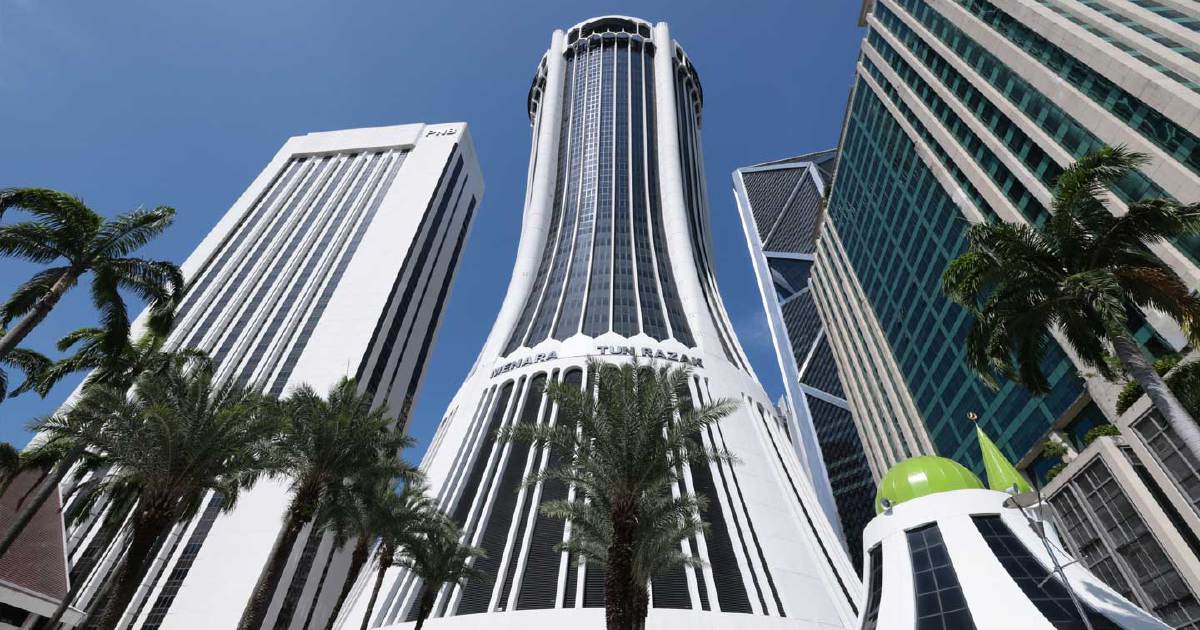
Prime Minister Datuk Seri Anwar Ibrahim has signalled the imminent release of the long-awaited Royal Commission of Inquiry (RCI) report into Tabung Haji, Malaysia's Islamic pilgrimage and investment fund that has faced mounting scrutiny over governance and investment losses. The report could be made public as early as today depending on whether Cabinet approval is necessary, with Wednesday serving as the latest expected date for disclosure, according to statements from the Prime Minister's office.
The RCI was established to conduct a comprehensive investigation into the management, governance structures, and investment decisions at Tabung Haji, an institution that has seen its value fluctuate significantly over recent years. The inquiry was tasked with examining various aspects of the fund's operations, including how billions of ringgit in pilgrims' savings have been managed and invested across domestic and international markets.
The timing of the report's release carries considerable significance for Malaysia's Islamic financial sector and for millions of registered members whose funds are held within Tabung Haji. The institution plays a crucial role in facilitating hajj pilgrimages for Malaysian Muslims while simultaneously functioning as an investment vehicle. Concerns about management transparency and investment performance have persisted, making the RCI findings particularly anticipated by stakeholders across government, the financial industry, and the public.
Prime Minister Anwar Ibrahim's announcement reflects the administrative stage the inquiry has reached, with the formal investigation now complete and attention turning to the procedural requirements before public dissemination. The reference to possible Cabinet approval requirements underscores the potentially sensitive nature of the findings and their implications for institutional leadership and policy frameworks. The government must balance timely disclosure with appropriate channels for reviewing and responding to the commission's recommendations.
Tabung Haji has operated for decades as a quasi-governmental institution, holding significant assets on behalf of Muslims preparing for the annual hajj pilgrimage to Mecca. The fund manages one of Southeast Asia's largest pools of Islamic savings, with hundreds of thousands of accounts. Its investment portfolio has historically included real estate, equities, and other assets, making governance and returns a matter of public concern, particularly during periods of market volatility or when investment performance falls short of expectations.
The establishment of the RCI represented a formal response to longstanding questions about the fund's management and operational efficiency. Previous regulatory scrutiny and public discourse around investment decisions had created momentum for comprehensive institutional review. The inquiry's scope encompassed examination of decision-making processes, risk management frameworks, and compliance with applicable laws and regulations governing Islamic financial institutions in Malaysia.
For Malaysian pilgrims and their families, the RCI report holds direct relevance to understanding how their savings are being stewarded. Many contributors to Tabung Haji view their accounts as secure repositories for hajj expenses while also expecting reasonable investment returns. The balance between security and returns has been an ongoing tension, and the commission's analysis may shed light on how previous management navigated these competing objectives.
The broader Malaysian financial services sector is also watching closely. The findings could potentially influence regulatory approaches to other Islamic financial institutions or government-linked investment vehicles. Any recommendations emerging from the RCI may establish precedents for governance standards, accountability mechanisms, or investment mandates across similar institutions. Regulators and policymakers will likely scrutinise the report for implications extending beyond Tabung Haji itself.
The anticipated publication this week also matters for investor confidence in Malaysia's Islamic finance ecosystem. Transparency regarding how large institutional funds are managed directly impacts Malaysia's reputation as an Islamic financial centre. Clear findings and recommendations can help reassure stakeholders domestically and internationally that governance issues are being addressed systematically through legitimate investigative channels.
Prime Minister Anwar Ibrahim's role in facilitating the timely release reflects the government's apparent commitment to transparency on this matter. His position that the report could emerge today pending administrative requirements suggests urgency in concluding this investigative process and moving toward implementation of any necessary reforms. The Cabinet approval stage, should it be necessary, represents a final checkpoint before the findings enter the public domain.
The coming days will be closely watched by parliamentary opposition members, civil society observers, and institutional stakeholders alike. The RCI report is expected to contain specific findings regarding areas of concern as well as recommendations for structural or operational improvements. These recommendations may include governance reforms, enhanced oversight mechanisms, or strategic reorientation of investment policies to better align with the fund's objectives and member expectations.
Once released, the report will likely prompt parliamentary questioning, media analysis, and public discourse about implementation timelines and responsibility for addressing identified deficiencies. The Malaysian government's handling of the RCI findings and its response framework will substantially influence how stakeholders perceive the seriousness with which governance issues in Islamic financial institutions are treated at the highest levels of government.

