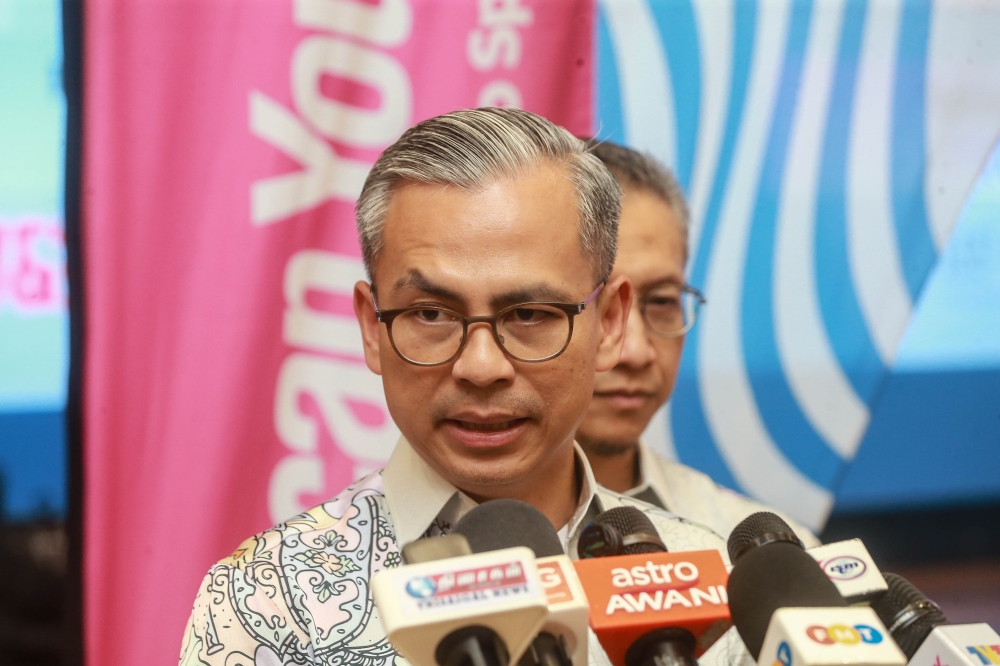
The comprehensive findings of the Royal Commission of Inquiry into Lembaga Tabung Haji will be distributed among multiple investigative and regulatory bodies to ensure thorough examination of any potential wrongdoing, Communications Minister Fahmi Fadzil announced in Putrajaya on August 12.
The strategic referral encompasses the Royal Malaysia Police, the Malaysian Anti-Corruption Commission (MACC), Bank Negara Malaysia, and the Inland Revenue Board (IRB), positioning each agency to pursue investigations within their respective jurisdictions and mandates. This multi-agency approach reflects the complexity and cross-cutting nature of the issues identified by the commission, which operates at the intersection of financial regulation, potential corruption, taxation, and banking oversight.
Tabung Haji, Malaysia's pilgrimage savings scheme that manages funds belonging to millions of Muslim pilgrims preparing for the Hajj, has faced mounting scrutiny over its financial management and investment decisions in recent years. The establishment of the RCI itself was a significant acknowledgment of public concern regarding how the institution had handled depositor monies, particularly following investment losses and governance controversies that emerged from parliamentary inquiries and media investigations.
The decision to involve Bank Negara underscores concerns about compliance with banking regulations and prudential standards applicable to the fund manager. As a financial institution accepting deposits from the public, Tabung Haji operates under the watchful eye of the central bank, and any lapses in governance or risk management would fall within Bank Negara's regulatory remit. The IRB's involvement suggests potential investigation into tax-related matters, which could encompass undisclosed income, improper expense claims, or other fiscal irregularities uncovered during the inquiry.
The MACC's participation indicates the commission likely identified conduct potentially constituting corruption or misconduct by officials or individuals associated with Tabung Haji. Malaysia's independent anti-corruption agency possesses statutory powers to investigate criminal misconduct and recover any assets obtained unlawfully. Their involvement signals preparedness to pursue criminal charges should evidence warrant such action.
The police referral completes the investigative framework, establishing capacity for general criminal investigation beyond the specific corruption angle. Given Tabung Haji's significance to millions of Malaysian Muslim families and the sums involved, maintaining public confidence in the institution's eventual restoration requires visible, credible investigation and accountability mechanisms.
This coordinated approach represents a departure from handling institutional failures through singular investigative channels. Rather than allowing one agency sole investigative authority, the government has deliberately distributed the investigation to prevent potential gaps and to leverage each body's specialized expertise. Such parallel investigations, while potentially complex to coordinate, can uncover different dimensions of systemic problems and create accountability across multiple fronts.
For ordinary Tabung Haji contributors—estimated at several million Malaysians across all income brackets—the announcement provides some assurance that questions about their savings will receive serious official attention. Many depositors have expressed anxiety regarding whether their funds have been deployed appropriately and whether they can expect reasonable returns or full principal recovery. The multi-agency investigation offers a pathway toward establishing whether systemic mismanagement occurred and, potentially, toward remedial action.
The referral also carries implications for Malaysia's anti-corruption and governance agenda internationally. Transparent handling of high-profile institutional investigations demonstrates commitment to accountability standards, particularly important for a nation seeking to rebuild confidence following previous governance scandals. Southeast Asian observers and international watchdogs monitor how Malaysia addresses large-scale institutional failures, using these cases as indicators of institutional health.
While the RCI report's transmission to investigation agencies represents formal acknowledgment of problems identified by the inquiry, the subsequent investigative process will determine whether findings translate into prosecutions, administrative sanctions, or policy reforms. The timeline for these investigations and their ultimate outcomes remain uncertain, though public expectations have been elevated by the government's apparent seriousness in deploying multiple enforcement mechanisms simultaneously.
The involvement of these four separate bodies also reflects institutional complexity within Malaysia's governance framework. Coordination among police, MACC, Bank Negara, and IRB will be essential to prevent duplicative effort while ensuring comprehensive coverage of all identified issues. The Communications Ministry's announcement does not clarify internal mechanisms for inter-agency communication or whether a central coordinating body will oversee the combined investigative efforts.
For Tabung Haji itself, the investigation phase represents a critical juncture. Institutional reforms implemented during this period, combined with leadership changes and governance restructuring, will determine whether the fund can restore credibility and functionality. Millions of Malaysians depend on this institution for their Hajj savings, making its operational viability a matter of genuine national concern beyond political or regulatory abstractions.

