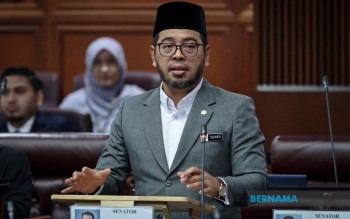
Tabung Haji (TH) is intensifying its pursuit of a substantial arbitration award from Saudi Arabia-based property developer Al-Rawda Real Estates Development & Project Management Co Ltd, deploying sophisticated asset-tracing techniques after the company made only partial payment on a massive debt. Out of 899 million Saudi riyal (approximately RM980 million) that an arbitration tribunal ordered Al-Rawda to pay, the company remitted just 14.9 million Saudi riyal before subsequently breaching a settlement agreement reached in November 2024. Minister in the Prime Minister's Department (Religious Affairs) Dr Zulkifli Hasan revealed that TH has now engaged specialist consulting firms to locate and trace Al-Rawda's assets across international jurisdictions, marking an escalation in recovery tactics after conventional enforcement methods proved ineffective.
The dispute between TH and Al-Rawda stems from a series of questionable property transactions initiated between 2015 and 2017 that have become emblematic of the broader governance failures identified by the Royal Commission of Inquiry into TH's finances. During this three-year period, the pilgrim fund leased four hotels located in Islam's holiest cities—Makkah and Madinah—and paid Al-Rawda approximately RM1.55 billion upfront for lease agreements spanning between 10 and 18 years. Dr Zulkifli characterised these transactions as extraordinary and decidedly abnormal, suggesting they deviated significantly from prudent financial practices that should govern a fund managing the savings of millions of Muslim Malaysians preparing for their Hajj pilgrimage.
Beyond the unusual lease structure, TH appointed Al-Rawda as the exclusive operator of these four hotels under a separate management agreement that promised annual rental income of 2.49 billion Saudi riyal. In exchange for relinquishing operational control to Al-Rawda, TH received only a promissory note that was personally guaranteed solely by the developer's owner, Dr Mashhoor Ali Omar Almadoodi, rather than being secured by corporate assets or institutional backing. This arrangement placed TH in a precarious position, essentially making the fund dependent on the personal creditworthiness of a single individual rather than the financial stability of a major institutional entity. The fragility of this arrangement became apparent when Al-Rawda ceased all rental payments in March 2019, leaving TH without the substantial income stream it had anticipated.
When Al-Rawda's rental payments dried up, TH initiated enforcement proceedings in Saudi Arabia to recover its dues. These legal actions eventually progressed to international arbitration, with the tribunal issuing its Final Award on April 16, 2023, decisively ruling in TH's favour and ordering Al-Rawda to remit 899 million Saudi riyal. However, obtaining such awards and actually collecting payment represent two entirely different challenges within the complex landscape of cross-border debt recovery. Al-Rawda's subsequent decision to pay only 14.9 million Saudi riyal—a mere 1.65 per cent of the total obligation—suggests the company either lacked genuine capacity to satisfy the judgment or chose to prioritise other creditors and obligations.
Facing Al-Rawda's apparent inability or unwillingness to honour the full award, TH negotiated a settlement agreement in November 2024 that presumably offered revised payment terms or conditions. Yet even this compromise arrangement crumbled when Al-Rawda failed to meet its obligations under the new agreement, prompting TH to terminate the settlement and revert to pursuing the original arbitration award. This enforcement failure represents a critical test of TH's capacity to recover losses and restore confidence among the millions of Malaysians who entrust their Hajj savings to the institution. Dr Zulkifli's disclosure that TH is now deploying asset-tracing specialists indicates the fund has recognised that conventional enforcement channels have been exhausted and that recovery will require sophisticated techniques to locate and identify Al-Rawda's assets across multiple jurisdictions.
The Al-Rawda situation encapsulates the broader investment failures that prompted the establishment of the Royal Commission of Inquiry in 2021. The RCI's 211-page report, released publicly on July 29, identified Al-Rawda among 14 problematic investments that collectively generated losses running into billions of ringgit. These investigations revealed systematic weaknesses in TH's governance structures, investment decision-making processes, and operational oversight mechanisms throughout the 2014-2020 period. The findings suggest that TH's management was either inadequately equipped to assess risk in complex international property ventures or failed to apply proper due diligence standards when committing the fund's resources to such projects.
The RCI's investigation extended beyond merely cataloguing what went wrong; the inquiry team formulated 25 specific recommendations designed to strengthen TH's institutional frameworks and prevent similar debacles in the future. According to Dr Zulkifli, TH had already implemented 75 per cent of these recommendations by July 30, demonstrating a commitment to institutional reform. However, recommendations and implementation represent only the forward-looking dimension of TH's challenges. The fund must simultaneously manage the legacy of past failures, including the Al-Rawda debt, while simultaneously rebuilding stakeholder confidence in its ability to safeguard Malaysia's Hajj savings.
For Malaysian pilgrims and their families, the Al-Rawda saga underscores the importance of institutional accountability and professional management of resources entrusted to government agencies. Millions of Malaysians contribute to TH throughout their working lives, expecting the fund to preserve and grow their savings so they can undertake the Hajj, Islam's Fifth Pillar. When substantial portions of those funds are lost through poor investment decisions or inadequate oversight, the consequences extend far beyond financial statements. The RCI's work and TH's subsequent recovery efforts represent attempts to restore integrity to an institution that had suffered substantial reputational damage alongside its financial losses.
The asset-tracing initiative reflects international best practices in cross-border debt recovery, particularly relevant for Southeast Asia where many investment disputes involve companies spanning multiple jurisdictions. By engaging specialist firms with expertise in locating hidden or transferred assets, TH joins other creditors worldwide in leveraging sophisticated forensic accounting and intelligence-gathering techniques. Success in these efforts would not only recover funds for TH but would also send a powerful signal to international counterparties that Malaysia's institutions possess the technical capacity and determination to pursue legitimate claims across borders.
Looking forward, the effectiveness of TH's asset-tracing operations will depend on Saudi Arabian authorities' cooperation in permitting investigative activities and enforcing freezing orders against identified assets. International debt recovery frequently encounters obstacles related to sovereign immunity, conflicting legal systems, and the varying willingness of different nations to enforce foreign judgments. Al-Rawda's apparent financial distress may complicate recovery; if the company genuinely lacks sufficient assets to satisfy the arbitration award, TH may ultimately recover only a fraction of the 899 million Saudi riyal owed, despite years of legal proceedings and specialised recovery efforts.
The broader implications of the Al-Rawda situation extend beyond TH's immediate financial recovery challenges. The case demonstrates how investments in international property markets, particularly in sensitive jurisdictions like Saudi Arabia where foreign ownership operates under distinct legal and regulatory frameworks, can expose Malaysian institutions to risks that domestic investments might avoid. The lessons embedded in the RCI's findings and recommendations should inform not only TH's future investment policies but also guide other government-linked investment vehicles and sovereign wealth funds operating in the region as they balance growth objectives against adequate risk management and governance safeguards.

