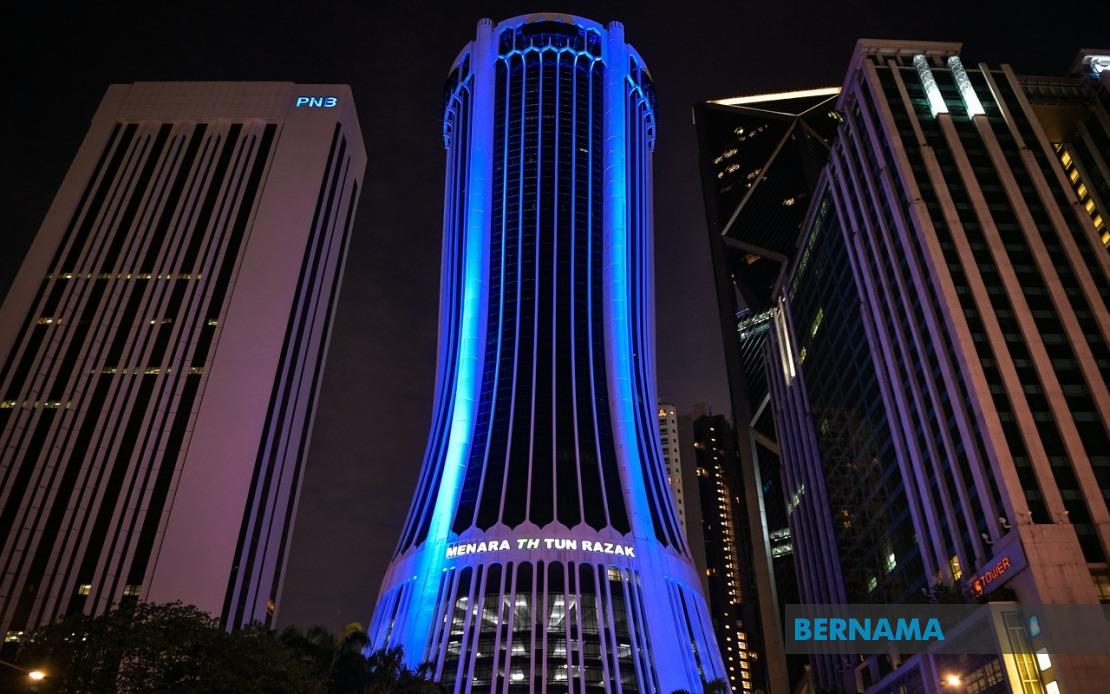
Tabung Haji faces mounting pressure to overhaul its public communications strategy and demonstrate genuine commitment to governance reforms, according to senior experts who warn that the institution's reputation remains fragile among its millions of depositors. The calls for action come as the Islamic pilgrimage fund grapples with the fallout from a damning Royal Commission of Inquiry report that exposed systemic weaknesses spanning several years, undermining public confidence in an institution many Malaysians entrust with their savings for the hajj pilgrimage.
Dr Mohd Kamarul Amree Mohd Sarkam, a Senior Lecturer at the Academy of Islamic Defence Studies at Universiti Pertahanan Nasional Malaysia, emphasized that TH must leverage contemporary digital communication channels to reach its predominantly young depositor base. He noted that the majority of TH's account holders belong to the millennial and Generation Z demographics, who consume news and information primarily through social media platforms and online channels. This demographic reality, he argues, demands a strategic shift in how the institution communicates its reform initiatives and explains its financial standing to restore confidence among these younger, digitally-connected Malaysians.
The expert stressed that consistent, transparent messaging through digital media could serve as a powerful tool for demonstrating TH's commitment to addressing documented governance failures. Rather than allowing misinformation and confusion to spread unchecked, TH should actively engage depositors through platforms where they naturally congregate online, providing regular updates on reform implementation and financial performance. This proactive approach, Mohd Kamarul Amree suggests, would signal to the public that TH management takes its challenges seriously and is prepared to be held accountable through open dialogue.
Beyond communication strategy, Mohd Kamarul Amree made a compelling case for fundamental structural changes in TH's leadership. He advocated for appointing management teams composed of experienced professionals and technocrats selected purely on merit, disconnected from political patronage networks. The current model, whereby political considerations influence top management appointments, creates perception problems that undermine institutional credibility regardless of actual performance. By transitioning to non-partisan, expertise-driven leadership, TH could begin shedding the accumulated baggage of political association that has damaged public trust.
The academic also highlighted Malaysia's accomplishment in hajj management as an underutilized asset. The Saudi Arabian government has formally recognized the quality and efficiency of Malaysia's pilgrimage administration, yet TH has not effectively communicated this international validation to domestic audiences. Building a stronger narrative around this achievement could reinforce the institution's competence and help counterbalance negative perceptions stemming from governance failures uncovered during the inquiry period.
Amendments to the TH Act, as recommended by the Royal Commission of Inquiry report, represent another critical pathway toward institutional rehabilitation. Mohd Kamarul Amree advocated for swift implementation of these legislative reforms alongside a reorganization of financial management responsibilities, with TH's funds placed under explicit Ministry of Finance oversight. Such structural changes would institutionalize safeguards against future misconduct and demonstrate parliament's serious intent to prevent repeat failures.
Dr Mohd Afzanizam Abdul Rashid, chief economist at Bank Muamalat Malaysia, reinforced these sentiments while introducing an additional concern about timing and narrative control. He warned that confusion persists regarding when the RCI completed its investigation, with some members of the public believing the report represents freshly discovered recent problems rather than historical governance failures from 2014 to 2020. This temporal confusion, he suggested, unnecessarily amplifies anxiety among depositors who might otherwise view the findings as adequately historical and already addressed.
Abu Afzanizam emphasized that TH should prioritize clarifying its current financial position and explicitly confirming that RCI recommendations have been acted upon. The institution faces an informational gap that misinformation can exploit, and filling that gap should be treated as an urgent institutional priority. He suggested that TH consider organizing extensive town hall sessions and grassroots outreach programmes across multiple districts, bringing governance explanations and financial clarifications directly to dispersed communities of depositors.
The RCI report, which became public on July 29 following a special parliamentary sitting, documented significant institutional weaknesses and governance lapses during a critical six-year period. The report's 25 recommendations constitute a detailed roadmap for reform, yet their implementation visibility remains low among the general public. This implementation-visibility gap represents a critical vulnerability for TH, as depositors cannot assess progress toward restoration without clear evidence of change.
For Malaysian readers with savings deposited in TH, these expert recommendations signal that institutional rehabilitation requires more than behind-the-scenes administrative adjustments. The experts suggest that genuine restoration of public confidence depends on visible, transparent transformation involving leadership changes, digital communication engagement, and explicit implementation reporting. The government's broader anti-corruption agenda means that TH's performance becomes emblematic of whether major institutions can genuinely reform or merely manage perception.
The Southeast Asian context adds additional significance to TH's trajectory. As other regional economies wrestle with public trust in financial institutions and religious endowment funds, Malaysia's handling of the Tabung Haji situation will influence regional approaches to governance reform. A successful transformation could establish a template for institutional accountability; conversely, failure could reinforce skepticism about whether major funds genuinely prioritize depositor interests over administrative convenience.
The convergence of expert opinion suggests that TH stands at a genuine inflection point. The institution possesses both the documented roadmap through RCI recommendations and the operational capacity for meaningful change. What remains uncertain is whether current and future leadership will commit to the comprehensive, visible transformation that experts emphasize. The coming months will reveal whether TH embraces digital transparency, implements merit-based leadership appointments, and actively engages depositors, or whether the institution defaults to more incremental, less visible administrative adjustments that fail to rebuild genuinely fractured public confidence.

