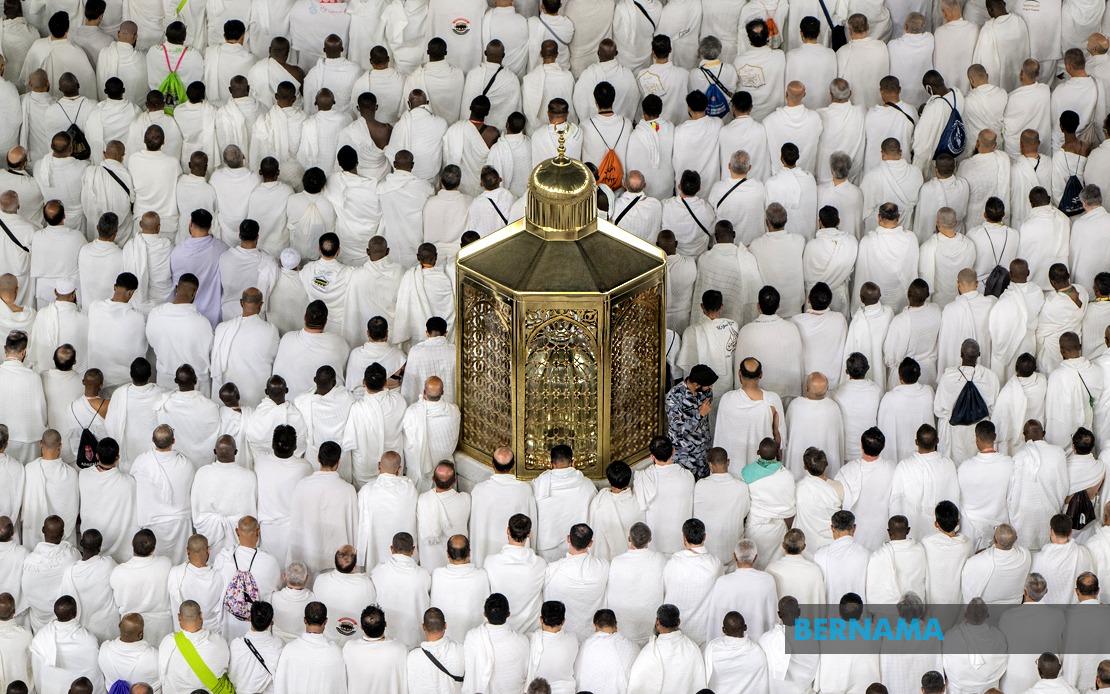
Tabung Haji has reaffirmed its commitment to allocating haj slots through a strictly chronological queue system that treats all depositors equally, rejecting proposals to create expedited pathways for specific groups regardless of their financial circumstances. The decision reflects a determination to preserve the integrity of a system that has governed pilgrimage access for decades, ensuring that years of accumulated waiting time cannot be bypassed through special arrangements. This stance emerged during parliamentary proceedings when Deputy Minister in the Prime Minister's Department (Religious Affairs) Marhamah Rosli addressed concerns raised by backbench lawmakers about whether recently retired civil servants receiving lump-sum gratuity payments might qualify for accelerated haj offers despite their lengthy waiting periods.
Marhamah's explanation underscored the potential chaos that would emerge if preferential categories were introduced into the existing queue structure. Any deviation from the first-registered-first-served principle would inevitably disadvantage those who have patiently accumulated savings and remained on waiting lists for extended periods, creating a two-tiered system that contradicts the foundational principles governing Tabung Haji's operations. The minister emphasised that the organisation has long championed fairness, transparency and equity in managing its pilgrim roster, values that would be fundamentally compromised by introducing special offer categories that prioritise certain depositors over others based on their employment status or access to lump-sum payments.
The question of special haj pathways gained currency following the wave of civil service retirements, as departing employees received substantial gratuity cheques that theoretically enabled them to meet pilgrimage costs immediately. Some lawmakers questioned whether the government should capitalise on this sudden liquidity to accelerate their haj schedules, thereby addressing their long waits while their financial circumstances were temporarily favourable. However, Tabung Haji's position implicitly recognises that permitting such exceptions would establish precedent for further demands, gradually eroding the meritocratic foundation of the queue system and creating perception of unfairness among ordinary depositors lacking retirement bonuses.
Every depositor enrolled with Tabung Haji receives advance notification of their projected pilgrimage year, providing substantial opportunity for systematic preparation across multiple dimensions. Prospective pilgrims are encouraged to arrange their finances meticulously, undergo health screenings and examinations appropriate to the physical demands of performing haj in the Arabian Peninsula's climate, and deepen their knowledge of haj rituals and requirements through structured educational programmes. This preparation timeline, often spanning years, enables pilgrims to approach their journey with proper readiness rather than embarking hastily when unexpected financial resources materialise.
Beginning with the current haj season, Tabung Haji has implemented a requirement that prospective pilgrims maintain a minimum savings balance of RM15,000 before receiving their haj offer letter, representing a structural threshold designed to verify financial commitment and capability. This floor sits substantially below the actual pilgrimage cost of RM33,300, acknowledging that most participants will accumulate the remaining funds through ongoing contributions during the interim period between receiving their offer and departing for Saudi Arabia. The requirement balances accessibility with accountability, ensuring that offered pilgrims possess demonstrable financial capacity rather than merely aspiring to undertake the journey.
Depositors who have not yet reached their designated haj year retain the option to submit formal appeals requesting priority consideration, though such requests undergo individual assessment according to established criteria rather than being automatically approved. This appeals mechanism provides flexibility for circumstances that Tabung Haji's administrators deem sufficiently compelling to justify deviation from the standard queue sequence. However, the existence of an appeals process does not constitute grounds for wholesale creation of special categories, as doing so would transform appeals from exceptional cases into routine reassignments.
Malaysia's official haj quota for the current season stands at 31,600 pilgrims, a figure determined entirely by Saudi Arabia's allocation decisions rather than Malaysian government preferences. The kingdom periodically adjusts quotas based on its own considerations regarding pilgrim accommodation capacity, infrastructure availability, and broader diplomatic relationships with major sending countries. Tabung Haji acknowledges this structural constraint and pursues additional allocations through annual applications to Saudi authorities, though securing incremental quotas requires navigating complex governmental negotiations and demonstrating sustained commitment to maintaining high standards among Malaysian pilgrims.
The supply-demand imbalance remains acute, as the standing waiting list for haj slots extends across hundreds of thousands of prospective Malaysian pilgrims, with queue positions sometimes representing waits exceeding a decade or more. Against this backdrop, the queue-based allocation system represents the most defensible and operationally transparent mechanism for distributing an inherently scarce opportunity across a vast population of eligible believers. Creating special categories would acknowledge defeat in addressing the fundamental shortage problem while simultaneously generating winners and losers among the waiting population.
Fraud prevention has emerged as another priority for Tabung Haji, particularly given the large sums involved and the vulnerability of elderly pilgrims unfamiliar with contemporary scams. During the recent 1447 Hijrah haj season, no fraudulent haj packages were reported to the inter-agency Haj Fraud Task Force comprising Tabung Haji, the Royal Malaysia Police and the Ministry of Tourism, Arts and Culture. This encouraging outcome reflects the combined impact of intensified enforcement activities and the resonance of the "No Visa, No Haj" public awareness campaign, which reinforces Saudi Arabia's official "No Haj Without Permit" policy and educates Malaysian pilgrims about legitimate pathways.
The emphasis on fraud prevention acknowledges that haj has historically attracted unscrupulous operators offering counterfeit packages or diverting deposits. By maintaining stringent controls over what constitutes an authorised haj arrangement and educating intending pilgrims about verification procedures, Tabung Haji protects vulnerable savers who have accumulated resources specifically for this spiritual obligation. The no-fraud achievement during the recent season demonstrates that patient, systematic investment in compliance infrastructure yields measurable protection for the pilgrimage-seeking population.
Marhamah's parliamentary responses ultimately articulate a philosophy prioritising institutional integrity over accommodating immediate political pressures from specific constituencies. While sympathising with retired civil servants facing extended waits, the government recognises that dismantling the queue system would generate broader public grievance among those who have observed the rules throughout their working lives. The queue-based allocation model, though imperfect and subject to legitimate criticism regarding its length, remains fundamentally fairer than alternative systems that would reward recent financial windfalls or political connections.
Looking forward, the critical challenge for Tabung Haji lies not in fundamentally restructuring its allocation methodology but rather in working with Saudi Arabia to gradually expand the annual quota available to Malaysia. Diplomatic initiatives, evidence of high pilgrimage conduct standards, and regional cooperation among Southeast Asian haj-sending nations might gradually increase Malaysia's allocation, eventually reducing waiting periods for all depositors. Until such progress materialises, maintaining equitable distribution according to established principles represents the most ethical path forward.

