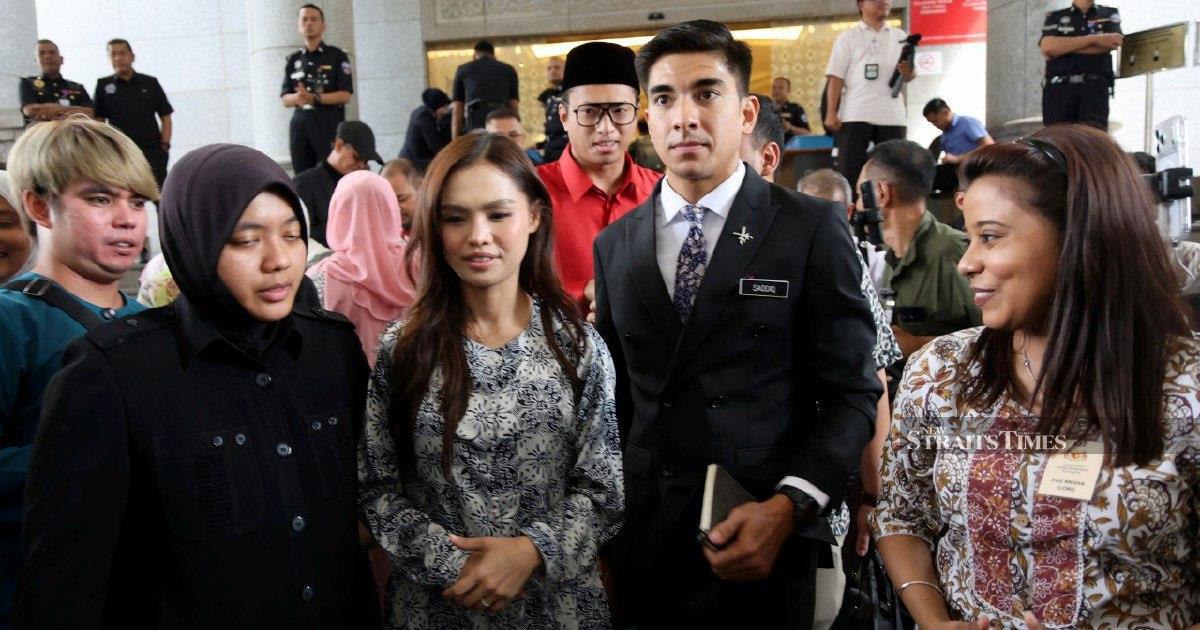
Syed Saddiq Syed Abdul Rahman, the Muar member of parliament, remains undecided about reclaiming leadership of Muda, the political movement he co-founded, despite having been recently cleared by the courts. His cautious stance reflects a deliberate choice to prioritise personal commitments over immediate political considerations, signalling a measured approach to his next steps in public life.
The timing of Syed Saddiq's acquittal represents a significant turning point in his political trajectory. The removal of legal complications that had shadowed his position creates space for strategic reflection rather than hasty action. His reluctance to rush into leadership decisions suggests maturity in recognising that major institutional roles require full focus and stability—neither of which he appears willing to compromise at this juncture.
For Malaysian political observers, Syed Saddiq's situation embodies the intersection of personal and public responsibility that increasingly defines young political figures navigating high-stakes democratic processes. The case against him tested the resilience of his political brand and personal reputation simultaneously. An acquittal, while vindicating his position legally, does not automatically restore all momentum or resolve underlying questions about organisational direction that emerged during his absence.
Muda itself has navigated considerable turbulence during the period when Syed Saddiq faced legal proceedings. The movement, which positioned itself as a reform-minded force appealing to younger voters, required operational continuity and leadership decisions that proceeded without him. Whether the organisation has consolidated a new direction or merely held ground during an interim period remains an open question that will influence both the practicality and political logic of a leadership restoration.
The emphasis on marriage preparations reveals something about how Syed Saddiq conceptualises his role and obligations. Rather than treating his court victory as a mandate for immediate political resurrection, he is attending to foundations of personal stability. This approach contrasts with the intensity that often characterises ambitious politicians eager to capitalise on legal vindication. His willingness to deprioritise the political stage suggests either confidence that opportunities will remain available or, alternatively, genuine uncertainty about the optimal timing for return.
Within the broader landscape of Malaysian politics, Syed Saddiq's age and trajectory have always marked him as generationally distinctive. His rise through Bersatu before co-founding Muda positioned him at the forefront of efforts to reshape young voter engagement. The intervening court case and its resolution have tested this narrative, potentially complicating the relationship between his youthful brand and the weight of institutional responsibility that leadership positions demand.
The political arithmetic facing Muda also bears consideration. A movement built partly on challenging conventional political structures must balance maintaining relevance during leadership transitions against the advantages of sustained direction from established figures. Syed Saddiq's absence during proceedings meant others stepped into visible roles, creating both competition for prominence and opportunities for institutional evolution that may not easily reverse.
For Malaysian voters and observers tracking reform-oriented politics, the uncertainty surrounding Syed Saddiq's future role represents unfinished business in a broader narrative about institutional change. Muda emerged partly from frustration with established parties and their approaches to governance and representation. Whether the movement prospers under alternative leadership, stagnates during continued transition, or requires Syed Saddiq's return to advance its agenda will shape assessments of whether such movements can sustain momentum beyond founding figures.
The decision-making process Syed Saddiq is undertaking appears to involve multiple dimensions beyond the immediate legal and political calculations. Personal fulfilment, institutional loyalty, capacity for future contribution, and realistic assessment of the political environment all reportedly factor into his considerations. This comprehensive approach to a consequential decision distinguishes thoughtful political actors from those driven primarily by momentum or ego.
Southeast Asian politics increasingly features young politicians navigating complex transitions between personal development and institutional roles at scales greater than previous generations experienced. Syed Saddiq's situation reflects pressures that will recur across the region as demographically younger candidates contest for influence. His handling of this juncture—whether ultimately choosing return or charting alternative directions—will likely inform how future political figures approach similar crossroads.
The coming months will clarify whether Syed Saddiq's emphasis on personal matters represents genuine prioritisation or strategic positioning that precedes a planned return. His continued presence as Muar MP means he remains visible within the political ecosystem even if not actively leading Muda. This liminal position provides flexibility as he navigates both marriage plans and the evolving internal dynamics of the movement he previously headed.

