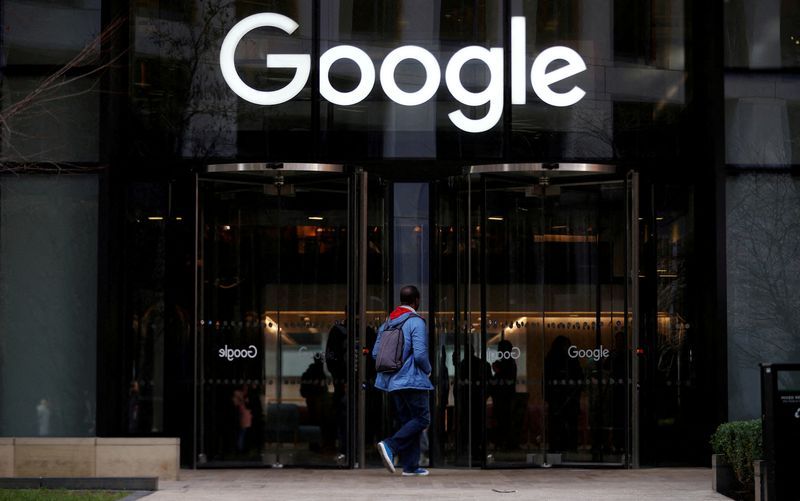
Sweden's Patent and Market Court has determined that Alphabet's Google must compensate price comparison platform PriceRunner with damages equivalent to 14.3 billion Swedish crowns, or roughly $1.5 billion, in a significant antitrust ruling handed down on Wednesday. The Stockholm-based court found that Google had engaged in unlawful conduct that caused measurable financial harm to the Klarna-owned service, marking another major victory for European regulators in their ongoing effort to curb the search giant's market dominance across the continent.
The court's decision hinges on findings that Google systematically favoured its own price comparison shopping service over competing platforms for an extended period. According to the Stockholm Patent and Market Court statement, PriceRunner was able to demonstrate concrete damages stemming from Google's anticompetitive behaviour, which involved manipulating search result rankings and visibility to benefit Google's own comparison tools at the expense of rival services. This practice effectively starved competitors of traffic and commercial opportunity in a market where Google's dominance in search makes visibility critically important to survival.
PriceRunner initiated its legal challenge in 2022, filing suit against Google and seeking compensation of approximately €2.1 billion, equivalent to $2.4 billion at the time of filing. The Swedish company argued that Google had fundamentally breached European Union antitrust law by leveraging its overwhelming control of the search market to unfairly advantage its own commercial comparison services. The damages claim reflected PriceRunner's assessment of lost revenue and diminished market position resulting from years of being systematically deprioritised in Google search results compared to Google Shopping and Google's own price comparison features.
This ruling represents a notable development in the broader European crackdown on Big Tech market practices. The European Union and its member states have increasingly pursued cases against technology companies for alleged anticompetitive conduct, with particular focus on how platforms leverage their dominant market positions to benefit their own services at competitors' expense. Sweden's decision aligns with other regulatory actions across Europe that have examined whether Google unfairly promoted its own products through preferential search treatment.
For Malaysian businesses and regional entrepreneurs, the implications are worth considering carefully. The decision reinforces that competition authorities in developed markets are willing to impose substantial financial penalties on technology giants for market manipulation. This trend may influence how regional regulators, including Malaysia's own competition authorities, evaluate similar allegations against dominant digital platforms operating in Southeast Asia. As e-commerce and digital service markets expand across the region, regulatory scrutiny of platform practices is likely to intensify.
The case also reflects broader tensions between platform operators and service providers who depend on access to dominant digital marketplaces. Price comparison services, in particular, occupy a vulnerable position—they generate value by aggregating information from retailers and merchants, yet their viability entirely depends on consumer discovery, which flows primarily through Google searches. When the platform owner also operates a competing service, conflicts of interest become unavoidable, and the ability to disadvantage rivals becomes a temptation that regulators now take seriously.
Google faces multiple similar antitrust challenges across Europe, with national courts and the European Commission investigating various aspects of its market conduct. The Swedish ruling adds to a growing body of jurisprudence finding the company liable for anticompetitive practices. Each successful case against Google encourages other affected businesses to pursue their own claims and signals to regulators that courts will support enforcement actions based on evidence of market manipulation.
The Swedish verdict also demonstrates that European national courts remain active participants in competition enforcement, not merely implementing European Commission decisions. The Stockholm Patent and Market Court conducted its own independent investigation and reached findings on the merits, establishing that PriceRunner's claims had sufficient legal and factual foundation to warrant substantial damages. This autonomous judicial enforcement complements the Commission's broader regulatory oversight and creates multiple pressure points on companies found to violate competition law.
For PriceRunner itself, the ruling provides financial vindication and recognition that its losses resulted from Google's wrongdoing rather than market competition. However, the damage award does not automatically resolve the underlying business challenge—PriceRunner must now navigate a market where Google continues to control search distribution. The judgment may provide leverage in negotiations with Google regarding future visibility and treatment, though the company still faces the structural challenge of depending on a competitor for market access.
The broader significance lies in what this decision signals about enforcement trends. Large technology platforms increasingly face consequences when they preferentially treat their own services, a practice that was sometimes tacitly accepted in earlier years of the digital economy. Regulators and courts now view such conduct as genuinely anticompetitive rather than merely reflecting normal business incentives. This shift in enforcement philosophy will shape how dominant platforms globally structure their operations and present their own services alongside competitors' offerings.

