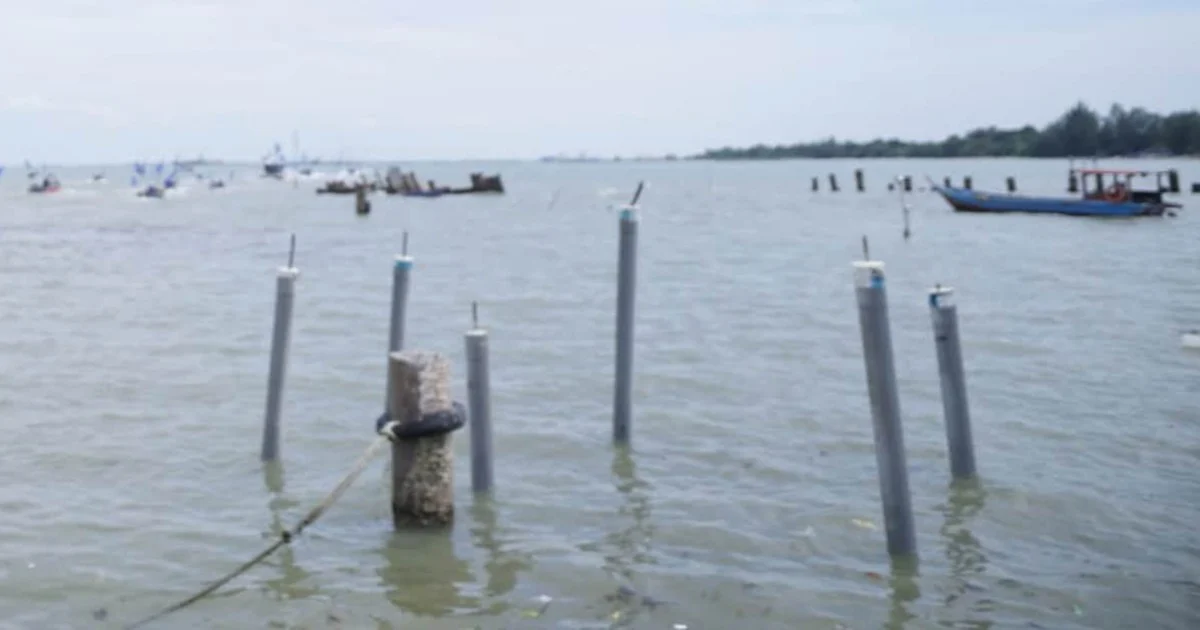
The business community operating at Medan Selera Sungai Rengit in Kota Tinggi faces an uncertain future as traders and fishermen pin their hopes on the incoming assemblyman from the recent 16th Johor state election to finally resolve the compounding infrastructure and security problems that have plagued the location for nearly a decade.
Operating from a temporary site has become the norm for these entrepreneurs, who have adapted to makeshift conditions while awaiting permanent facilities that remain elusive. The prolonged uncertainty over their status has created operational challenges, with businesses unable to plan for expansion or make significant investments in equipment and improvements. Many traders and fishing operators have simply accepted the temporary nature of their workspace, though frustration continues to mount as years pass without concrete progress toward a permanent solution.
The infrastructure deficiencies at the market location extend beyond basic facilities. Drainage systems remain inadequate, creating sanitation concerns that could impact food handling and public health standards. Electricity supply is inconsistent, affecting refrigeration units vital for preserving fresh fish and other perishables. The lack of proper road access and parking facilities has also deterred customers, directly impacting daily sales for vendors who depend on foot traffic and convenient access.
Security remains another critical concern that weighs heavily on operators' minds. The temporary nature of the site appears to have made it attractive to petty thieves and vandals, with incidents of theft and break-ins reported over the years. Inadequate lighting and the absence of proper surveillance systems have compounded these safety concerns, leaving traders vulnerable during early morning operations and late evening hours when foot traffic is minimal.
For fishermen in particular, the situation presents unique hardships. The absence of proper facilities for handling and processing their catch affects product quality and market competitiveness. Without adequate cold storage or processing infrastructure, fishermen must rush their catch to market quickly or risk spoilage, limiting their ability to negotiate better prices or explore value-added business opportunities. The temporary structures also offer little protection from weather elements, which is particularly challenging during monsoon seasons when storms are frequent.
The community's expectations now rest on newly elected representatives to prioritize their concerns in the state legislative agenda. Previous assemblyman terms apparently did not result in concrete progress, creating skepticism about the government's commitment to addressing the market's needs. However, the 16th state election has renewed optimism among traders and fishermen, who see an opportunity to reset relationships with their political representatives and demand accountability for campaign promises.
The economic significance of Medan Selera Sungai Rengit extends beyond the individual traders operating there. The market serves as a crucial distribution point for fresh fish and seafood products throughout the Kota Tinggi district and surrounding regions. A permanent, well-functioning market facility would benefit not only vendors and fishermen but also consumers and the broader agricultural supply chain. The location's strategic position near fishing grounds and within a populated residential area makes it an important economic hub that deserves proper development.
Local business associations have apparently been advocating for upgrades, yet bureaucratic delays and competing budget priorities have prevented implementation of improvements. The trader community now recognizes that consistent political pressure and engagement with their elected representative will be necessary to move infrastructure projects from the drawing board into actual construction and completion.
The plight of Sungai Rengit's traders reflects a broader challenge facing many similar informal market communities across Malaysia, where temporary facilities have become permanent fixtures due to regulatory limbo or insufficient public investment. Without proper planning and allocation of development funds, such markets struggle to formalize and upgrade, limiting their potential contribution to local economic growth and employment.
Moving forward, the new assemblyman will face considerable pressure to deliver tangible improvements within a reasonable timeframe. Traders and fishermen are unlikely to accept further delays or vague promises, particularly after nearly a decade of waiting. Success in addressing Sungai Rengit's infrastructure and security challenges could set a positive precedent for how state representatives respond to concerns from lower-income business communities, establishing expectations for responsive governance throughout Johor.
The resolution of this situation will require coordination between the state assembly, municipal authorities, and potentially private sector participation in facility development. Community stakeholders must also be involved in planning to ensure that permanent solutions actually address the specific operational needs of traders and fishermen rather than imposing generic market designs that fail to accommodate local practices and requirements.

