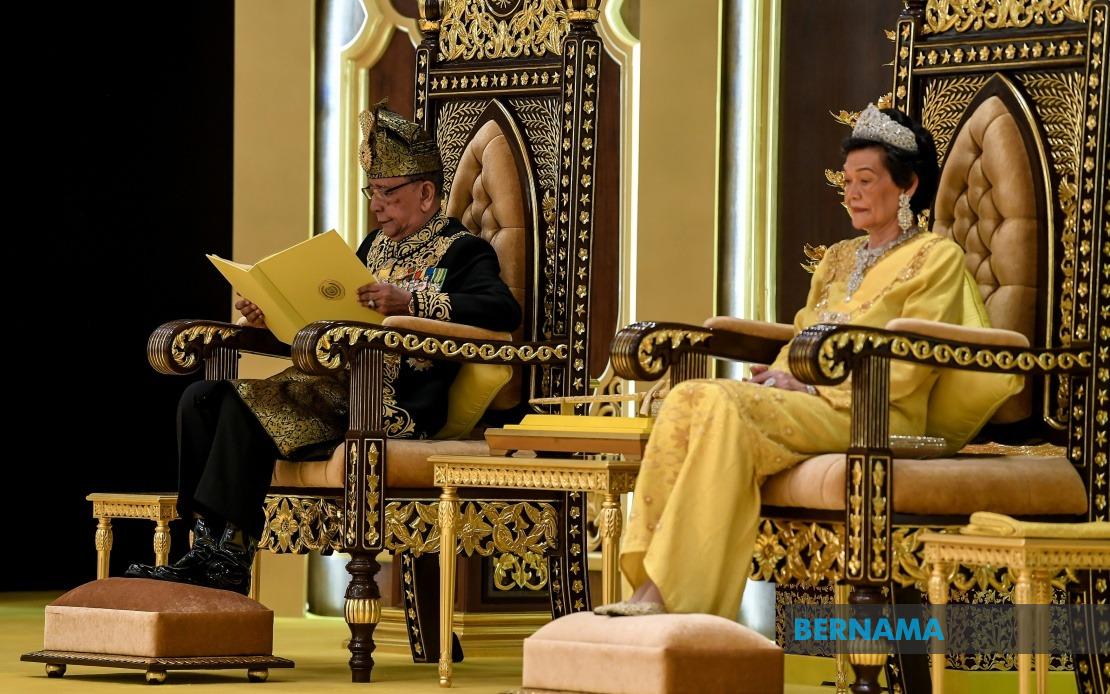
The Sultan of Kedah, Al Aminul Karim Sultan Sallehuddin Sultan Badlishah, has made a forceful case for Langkawi Island to pursue a development trajectory rooted in its distinctive identity and heritage, rather than attempting to replicate the models established by neighbouring tourism hotspots. Speaking at his 84th birthday investiture ceremony in Alor Setar on July 5, His Royal Highness emphasised that the island's future prosperity depends not on emulating destinations like Phuket in Thailand or Bali in Indonesia, but on leveraging the qualities that make Langkawi itself remarkable.
The Sultan's intervention carries particular weight given Langkawi's strategic importance to Kedah's economy and Malaysia's broader tourism portfolio. As a federal territory under Kedah's administration, the island generates substantial revenue and employment for the state whilst maintaining status as one of Southeast Asia's recognised leisure destinations. The ruler's remarks suggest a conscious effort to reposition Langkawi's development narrative away from what some stakeholders may view as derivative approaches that sacrifice local distinctiveness in pursuit of global tourism formulas.
Central to His Royal Highness's vision is the preservation and sustainable management of Langkawi's natural environment and cultural assets. The Sultan stressed that these elements represent the island's genuine competitive advantage—an argument gaining traction among development theorists who contend that authentic, place-based tourism offerings prove more resilient and rewarding than standardised resort infrastructure. Langkawi's biodiversity, geological formations, indigenous heritage, and coastal landscapes constitute irreplaceable value that warrants protection against degradation or over-commercialisation.
The Sultan's comments also contained a pointed warning directed at individuals or entities seeking to damage the island's reputation through irresponsible conduct or rhetoric. Though not elaborating on specific incidents, His Royal Highness signalled zero tolerance for activities that might undermine investor confidence, visitor perceptions, or community stability. This stern position reflects the delicate balance required to manage a high-profile tourism destination where reputational risk can swiftly translate to economic consequences for local stakeholders.
Beyond tourism strategy, the Sultan addressed a more immediate concern affecting Kedah residents: the troubling delays plaguing the Sungai Kedah and Anak Bukit flood mitigation plan (RTB). Infrastructure projects of this scale typically involve multiple government agencies, funding mechanisms, and technical challenges that can compound scheduling difficulties. However, the extended delays have left communities in flood-prone areas trapped in cycles of disruption, property damage, and displacement during monsoon seasons, with little visible progress toward resolution.
The Sultan's public articulation of frustration over these delays carries significant implications for state and federal authorities responsible for implementation. Royal intervention—particularly when the monarch emphasises the burden placed on ordinary citizens—typically catalyses administrative action. The failure to complete long-promised flood defences represents not merely an engineering problem but a breach of the social contract implicit in governance, whereby state institutions undertake to protect citizens from preventable hazards.
The presence of senior members of the Kedah royal family at the investiture ceremony—including Sultanah Maliha Tengku Ariff, Raja Muda Tengku Sarafudin Badlishah, and other titled members—underscored the formality and gravity of the occasion. Such gatherings serve as important platforms for articulating state-level priorities and signalling royal expectations to government machinery. The Sultan's dual focus on tourism development philosophy and infrastructure delivery reflects an integrated understanding of governance that links economic prosperity to citizen welfare and institutional competence.
For Malaysian policymakers beyond Kedah, the Sultan's intervention raises broader questions about tourism sustainability and regional differentiation. As Southeast Asian destinations increasingly compete for international visitors, the temptation to adopt proven formulas—resort clusters, duty-free zones, recreational activities—remains strong. Yet the Sultan's argument suggests that places with distinctive attributes may serve their long-term interests by developing authentic, culturally-rooted offerings that distinguish them in crowded markets and generate more equitable benefits for local communities.
The emphasis on Langkawi's natural heritage also aligns with evolving international expectations around environmental stewardship and sustainable tourism. Governments and investors increasingly recognise that destinations destroying their ecological foundations undermine the very attractions that justify premium pricing and repeat visitation. Conservation becomes not merely an environmental imperative but an economic strategy—a perspective the Sultan's comments implicitly endorse.
Moving forward, implementation will test the sincerity of these exhortations. State and federal authorities must translate the Sultan's vision into concrete planning frameworks, investment guidelines, and regulatory mechanisms that privilege sustainable development and local character over short-term extraction. Simultaneously, progress on the flood mitigation scheme remains essential to demonstrating that royal concerns translate into administrative responsiveness and improved living conditions for affected residents.

