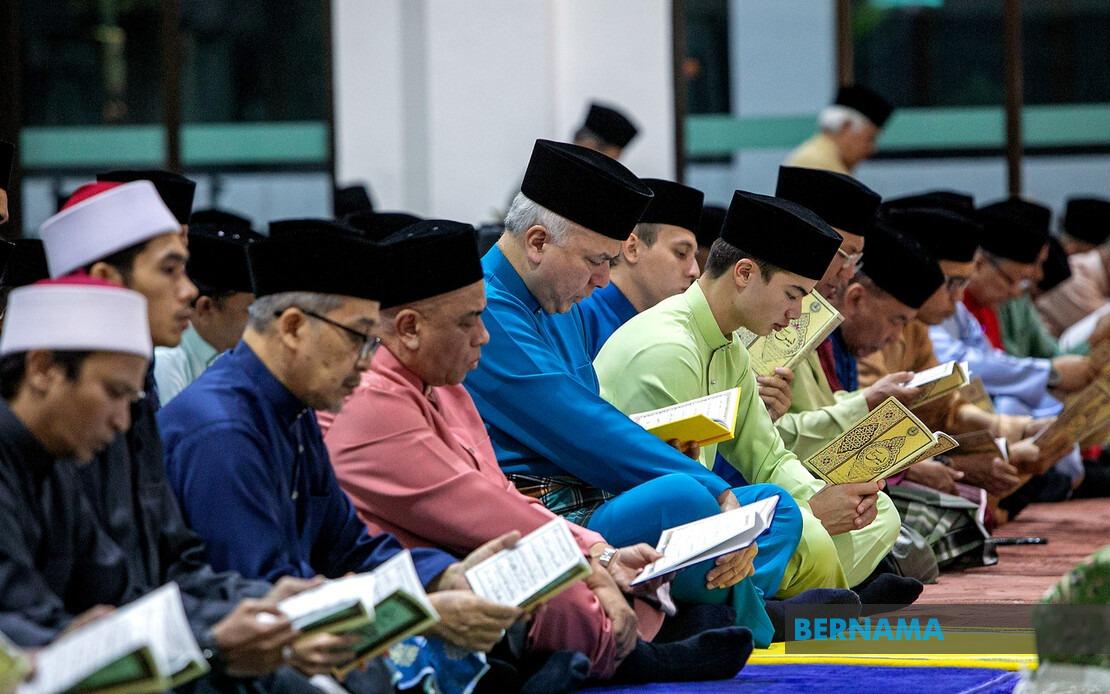
Sultan Nazrin Shah, the Sultan of Perak, presided over religious ceremonies at a newly completed mosque in Ipoh on Friday evening as part of the state-level National Day celebration. The occasion saw the formal opening of Masjid Imam As Syafie, which represents a significant addition to Perak's Islamic infrastructure with its capacity to accommodate approximately 1,600 worshippers simultaneously.
The event drew prominent state officials including Menteri Besar Datuk Seri Saarani Mohamad and Tan Sri Mohd Annuar Zaini, president of the Perak State Islamic Religious and Malay Customs Council (MAIPk). About 1,000 congregants gathered for the occasion, reflecting strong community engagement with the National Day programme and the mosque's inauguration.
The new facility, completed in the preceding year at a construction cost of RM8.7 million, represents a substantial public investment in religious and community infrastructure for the state. The mosque's significant capacity indicates planners anticipated growing demand for worship facilities in the Ipoh area, addressing potential gaps in available prayer spaces during peak times, particularly on Fridays and during major Islamic observances.
Sultan Nazrin performed the official opening ceremony through a traditional symbolic gesture, drawing back the curtain that covered the dedication plaque. This ceremonial act, though simple in appearance, carries deep significance in Malaysian royal protocol and reflects the Sultan's formal endorsement of the facility's completion and readiness for community use.
Following the official opening, His Royal Highness participated actively in the religious programme rather than observing from the sidelines. He joined the doa selamat, or prayer for blessings and well-being, demonstrating the Sultan's personal commitment to spiritual leadership within his state. The Sultan then participated in the Yasin recitation and tahlil invocations, both traditional Islamic devotional practices that strengthened the communal spiritual atmosphere.
Imam II Muhammad Luqmaan Mohd Helmi of Masjid As Syafie led the religious proceedings, guiding the congregation through the recitations and prayers. The Sultan subsequently joined the congregational Isyak prayer, the final evening prayer in the Islamic daily prayer schedule, marking his full participation in the mosque's inaugural worship service.
This event exemplifies how Malaysia's royal institution integrates religious observance with national celebrations. National Day commemorations in Malaysian states increasingly incorporate spiritual dimensions that reflect the country's Islamic heritage and constitutional recognition of Islam's position. By participating in these ceremonies, state leaders signal the importance of balancing patriotic and religious values within Malaysia's diverse society.
For Perak specifically, the mosque's completion addresses practical infrastructure needs in Ipoh's growing urban landscape. The RM8.7 million investment demonstrates state commitment to maintaining adequate religious facilities as populations expand and worship requirements evolve. Mosques serve not merely as prayer spaces but as community hubs for Islamic education, social activities, and neighbourhood engagement.
The scale of attendance at the opening ceremony—approximately 1,000 people—underscores the community's appreciation for new mosque facilities. This level of participation suggests the facility addresses a genuine need, with residents recognising the importance of having accessible, modern prayer spaces that meet contemporary standards and accommodate larger congregations during important Islamic occasions.
The timing of the official opening during National Day celebrations carries symbolic weight. By linking the mosque's inauguration to national commemoration, authorities emphasise Islam's integral role in Malaysian national identity. This approach resonates with a significant portion of Malaysia's population and acknowledges that celebrating the nation's independence and honouring Islamic traditions are complementary rather than contradictory endeavours.
Such ceremonies also highlight the ceremonial functions of Malaysia's constitutional monarchs. Beyond symbolic roles, sultans actively participate in state-level religious and cultural events, reinforcing their status as patrons of Islam in their respective states. This participation maintains the constitutional arrangement whereby rulers serve as custodians of Islamic affairs within their domains, a responsibility taken seriously through regular attendance at religious functions and infrastructure inaugurations.

