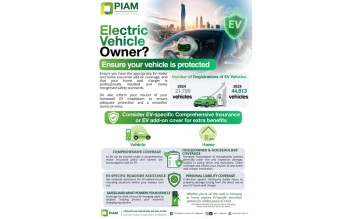
Following a recent residential fire in Cheras involving an electric vehicle home charger that caused significant property destruction, Malaysia's insurance industry has moved to clarify coverage provisions and homeowner obligations. The General Insurance Association of Malaysia (PIAM) has issued guidance addressing widespread uncertainty about whether conventional household fire policies extend to damage caused by EV charging equipment, a growing concern as electric vehicle adoption accelerates across the country.
According to PIAM chief executive Chua Kim Soon, standard domestic fire and house owner policies sold in Malaysia do provide coverage for fire-related damage stemming from any source of ignition, including malfunctioning EV chargers. This protection applies universally across the insurance industry, with the important caveat that policyholders meet their obligations under the policy document. The coverage remains valid provided the homeowner has not engaged in fraudulent behaviour, deliberately caused the damage, or breached material policy conditions such as failing to maintain electrical systems to required safety standards.
The classification of EV charging equipment within an insurance policy depends on the installation method and mobility of the device. Permanently installed, hard-wired chargers integrated into a home's electrical infrastructure typically fall under the "buildings" component of a standard property policy, where they are treated as fixtures and fittings forming part of the structure itself. Conversely, portable or detachable charging cables are generally excluded from conventional home policies and instead require coverage through specialised electric vehicle motor insurance products or supplementary coverage options that insurers now offer as add-on packages.
Insurers implementing standard risk management protocols require homeowners to exercise reasonable care in maintaining their properties and adhering to accepted electrical safety standards. When processing claims related to fire damage, insurers conduct thorough investigations utilising official reports from fire authorities to exclude scenarios involving deliberate arson, fraudulent claims, or breaches of building regulations. Particular attention is paid to whether any electrical modifications or installations were performed by unauthorised personnel or used uncertified components, which would constitute non-compliance with statutory requirements and potentially void coverage.
Chua emphasised that homeowners bear a responsibility to inform their insurers immediately upon installing a permanent EV charging station. This notification process serves multiple critical functions within the insurance relationship. Formally declaring electrical upgrades and new fixtures ensures that the policy's sum insured—the maximum amount the insurer will pay for total loss—accurately reflects current rebuilding costs given the home's enhanced infrastructure. This step also prevents disputes during the claims process by establishing clear mutual understanding about what equipment and modifications the policy covers.
Beyond the sum insured for the building itself, homeowners must scrutinise whether their current property sum insured adequately represents replacement value in today's construction environment. Given that homes often undergo modifications over their insurance tenure, from renovations to the addition of modern amenities and fixtures like solar panels or EV infrastructure, the original policy limit frequently becomes insufficient. Homeowners should conduct periodic reviews and request updated valuations to ensure their coverage keeps pace with actual rebuilding costs, which have risen significantly across Malaysia in recent years.
A particularly important but often overlooked consideration involves public liability coverage. In residential settings such as terrace houses or high-rise apartment blocks, fires or electrical incidents originating from one property can rapidly spread to adjacent units, potentially damaging neighbours' homes and exposing the property owner to substantial legal liability claims. While PIAM-member insurers typically provide a baseline public liability limit of RM50,000 under standard house owner policies, this sum may prove inadequate given the potential scale of damage in densely packed residential developments. Homeowners concerned about their exposure can purchase optional liability extensions to increase their protection to higher thresholds.
The growing prevalence of EV ownership in Malaysia necessitates a comprehensive review of insurance arrangements to address previously unforeseen scenarios. Many homeowners currently holding policies predating the widespread adoption of electric vehicles may discover gaps in their coverage when attempting to claim for EV-related incidents. EV owners should engage with their insurers proactively to assess whether their existing motor insurance policies adequately cover the vehicle itself, portable charging equipment, and any specialised accessories. Simultaneously, reviewing home insurance provisions ensures that residential property damage from charging incidents, adjacent property liability, and loss of use coverage all receive appropriate protection levels.
The interaction between motor insurance and property insurance in EV-related incidents adds complexity that standard policyholders may not fully appreciate. A charging malfunction might trigger claims spanning multiple policies—vehicle damage under motor coverage, property damage under home insurance, and potentially public liability if neighbouring properties suffer harm. Navigating these claims across different policy types and insurers requires clear documentation and communication. By proactively notifying insurers and verifying policy terms before incidents occur, Malaysian homeowners can avoid disputes and ensure seamless claims processing should electrical or fire-related damage materialise.

