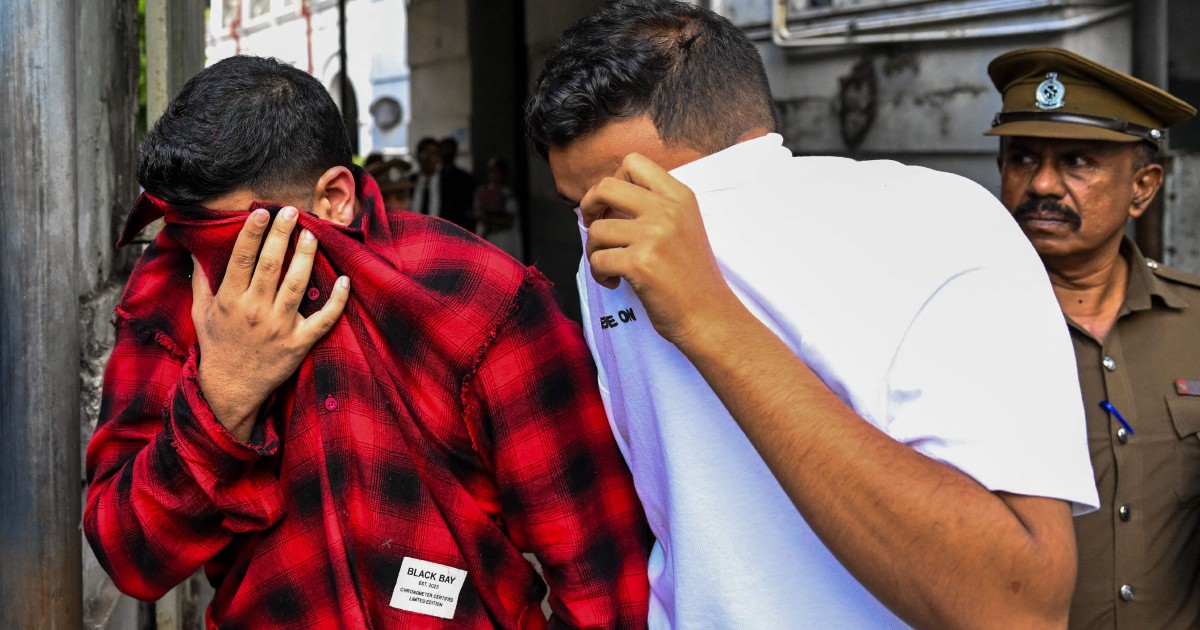
A Colombo court has remanded an Indian co-owner of a Lanka Premier League franchise in custody on suspicion of match-fixing, marking a significant escalation in investigations into alleged corruption within Sri Lanka's premier domestic T20 tournament. The businessman was ordered held in prison until the end of the month after being charged with attempting to bribe five players to influence match outcomes, according to court proceedings conducted on Friday.
The development underscores mounting concerns about the integrity of the LPL, which launched in 2020 as Sri Lanka's answer to the Indian Premier League and other lucrative franchise-based competitions across Asia. The tournament has attracted substantial commercial investment and international participation, but the emergence of match-fixing allegations threatens to undermine its credibility among broadcasters, sponsors, and fans throughout the region.
Match-fixing scandals have periodically plagued cricket in South Asia, with previous high-profile cases damaging the sport's reputation and leading to lengthy bans for players and officials. The involvement of a foreign investment stakeholder in an alleged corruption scheme is particularly troubling, as it suggests systematic attempts to compromise the competition at the ownership level rather than through isolated player misconduct.
The five players allegedly targeted for bribery have not yet been publicly identified, though the investigation appears to be widening as authorities examine the scope and scale of the purported conspiracy. Sri Lankan cricket authorities have historically cooperated with law enforcement on match-fixing matters, recognizing that reputational damage extends beyond individual matches and potentially affects the entire ecosystem of professional cricket in the country.
The LPL operates in a competitive landscape alongside similar T20 franchises across South Asia and the broader region, including Pakistan's domestic leagues and Bangladesh's cricket tournaments. Any significant integrity issues within the competition could affect its attractiveness to international broadcasters and players seeking to participate in high-quality, trustworthy tournaments. Tournament organizers face pressure to demonstrate robust anti-corruption mechanisms and swift action against wrongdoing.
Court-ordered detention reflects Sri Lankan judicial authorities' seriousness in pursuing the investigation, though defence counsel may seek bail or alternative arrangements during subsequent hearings. The case will likely generate intense scrutiny from the International Cricket Council, which has established protocols for addressing match-fixing allegations that span multiple jurisdictions and involve stakeholders from different countries.
Malaysian and Southeast Asian cricket observers note that franchise-based leagues throughout the region remain vulnerable to corruption attempts, particularly as financial stakes escalate and international investment flows increase. The case serves as a cautionary example of how even well-established tournaments can face integrity challenges if governance structures and oversight mechanisms prove inadequate.
The detention order suggests that investigators have gathered sufficient preliminary evidence to convince the court that serious offences have been committed. Whether the case advances to full prosecution will depend on the strength of evidence relating to specific match results and communications between the accused and the targeted players, as well as financial transactions that may corroborate the bribery allegations.
Stakeholders within Sri Lankan cricket, from the board to team management to international broadcasters, are watching closely to understand how authorities handle the situation and what systemic reforms may follow. Previous match-fixing incidents have prompted rule changes, enhanced monitoring protocols, and stricter penalties for those convicted of corruption-related offences.
The case also raises questions about due diligence procedures followed by franchise operators and tournament organizers when vetting international co-investors and stakeholders. Enhanced background checks and compliance frameworks have become standard in other professional sports, and cricket governance bodies increasingly recognize similar scrutiny as necessary protection against reputational and competitive damage.
For Malaysian cricket circles and other Southeast Asian nations seeking to develop or expand franchise-based tournaments, the developments in Sri Lanka provide valuable lessons about anticipating and mitigating corruption risks before they compromise competitive integrity. The incident demonstrates that financial investment and international participation in domestic cricket leagues require proportionate governance oversight.
As the investigation proceeds and court hearings continue, the LPL will need to demonstrate its commitment to maintaining competitive standards and player welfare. Tournament stakeholders face pressure to implement reforms that reassure the public, fellow franchises, broadcasters, and international cricket bodies that the competition remains fundamentally sound despite the alleged wrongdoing of a single ownership stakeholder.

