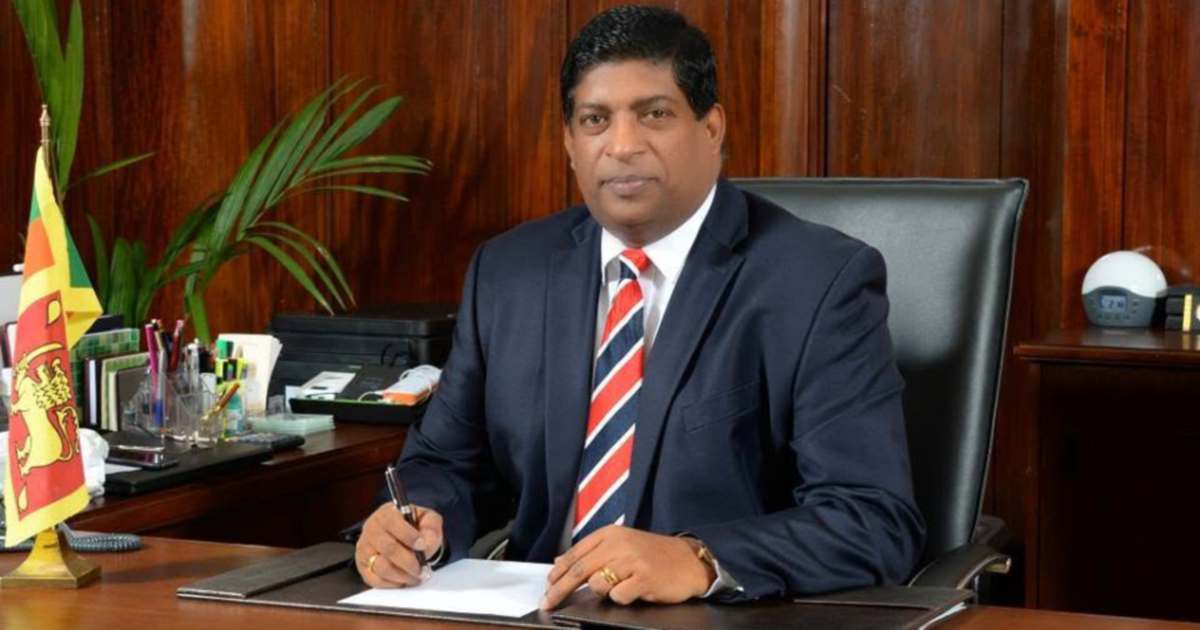
Ravi Karunanayake, who served as Sri Lanka's finance minister, was taken into custody on Monday following an investigation by the country's principal anti-corruption agency. The arrest came after allegations emerged that the former official had improperly utilised government money to remunerate staff employed in his personal capacity, breaching public sector financial management protocols.
The case represents a significant development in Sri Lanka's ongoing efforts to address financial misconduct within its political establishment. The nation has faced considerable scrutiny over governance standards and fiscal transparency in recent years, particularly following the severe economic crisis that gripped the country in 2022. Public confidence in institutional accountability remains fragile, making high-profile prosecutions symbolically important for demonstrating the state's commitment to pursuing wrongdoing regardless of political stature.
Karunanayake's arrest underscores how allegations of misappropriating state resources continue to surface across Sri Lanka's political hierarchy. The specific charge—utilising public funds for private employment costs—falls squarely within the category of misconduct that undermines public trust and diverts resources from essential services. Such infractions represent a direct transfer of wealth from the state treasury to individuals for personal benefit, effectively treating government money as a discretionary resource.
The anti-corruption body's action reflects intensifying scrutiny of financial practices among former government officials. Sri Lanka has faced mounting pressure from international observers and domestic civil society groups to strengthen institutional mechanisms that hold politicians accountable. This momentum gained particular force following the 2022 crisis, when fiscal mismanagement and corruption allegations became central to public discourse about national recovery.
For Malaysian and Southeast Asian observers, Sri Lanka's case offers instructive insights into the challenges of maintaining corruption investigations amid political transitions and competing priorities. The region has witnessed numerous instances where high-profile corruption cases either stall amid bureaucratic complexity or become weaponised for political advantage rather than genuine accountability. Sri Lanka's willingness to pursue former ministers, regardless of their continued political influence, potentially signals commitment to impartial oversight—though sustained follow-through remains essential.
The timing of Karunanayake's arrest may also carry political implications. Sri Lanka's leadership has emphasised anti-corruption as a cornerstone of its post-crisis recovery narrative, particularly when seeking international confidence and investment. Visible prosecutions of former officials serve to reinforce messaging about reformed governance, though critics argue such measures sometimes reflect selective enforcement rather than systematic institutional reform.
Karunanayake's case joins a growing queue of corruption investigations involving prominent Sri Lankan politicians. The cumulative weight of such cases raises questions about whether systemic weaknesses in fiscal oversight allowed widespread misconduct to flourish, or whether enforcement has simply become more rigorous. Understanding this distinction matters for assessing whether reforms address root causes or merely prosecute individual transgressions.
The former finance minister's arrest also carries implications for Sri Lanka's ongoing International Monetary Fund programme negotiations and external debt restructuring efforts. International creditors increasingly demand transparency and accountability as conditions for financial support. High-profile prosecutions can demonstrate institutional seriousness about reform, potentially facilitating external financing arrangements crucial for the nation's economic stabilisation.
Within Sri Lanka's domestic context, the arrest generates questions about whether political continuity or factional considerations might influence case outcomes. The country's judicial system has experienced periods where corruption prosecutions appeared influenced by political calculations. Ensuring that Karunanayake's case follows rigorous evidentiary standards and transparent procedures will be essential for maintaining public confidence and international credibility.
For Malaysia specifically, Sri Lanka's experience provides comparative perspective on anti-corruption enforcement capacity and political will. Both nations have grappled with high-profile cases involving government officials, though Malaysia's institutional responses have evolved considerably through its own governance transitions. The contrast between different enforcement approaches across Southeast Asia illustrates how political commitment, institutional independence, and resource allocation shape corruption outcomes.
The investigation's progression will reveal whether Sri Lanka's anti-corruption apparatus can sustain investigations through trial and judgment despite potential political pressure or procedural obstacles. Success in securing conviction based on substantive evidence would strengthen perceptions of institutional integrity, while acquittals or case dismissals might deepen scepticism about selective enforcement.
Looking forward, Karunanayake's case represents one indicator among many through which observers can gauge Sri Lanka's genuine commitment to post-crisis institutional reform. Alongside asset recovery efforts, legislative improvements, and behavioural changes among officials, corruption prosecutions constitute part of the broader governance reconstruction necessary for sustainable recovery from both economic and institutional crises.

