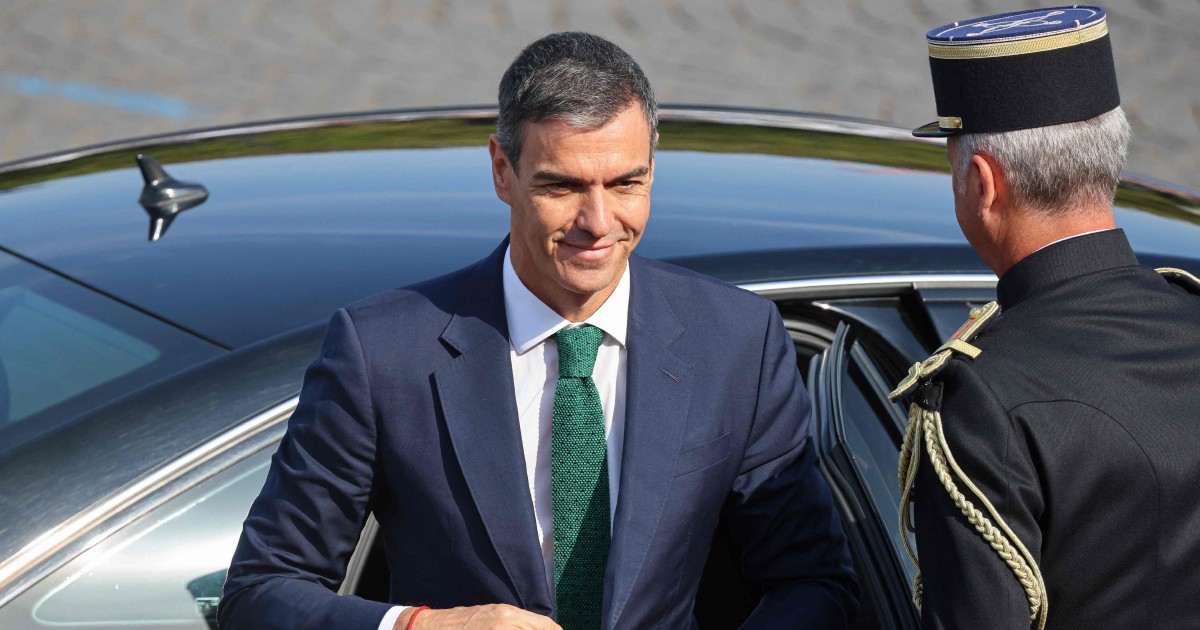
Spain's Prime Minister Pedro Sanchez has seized upon the national football team's World Cup campaign as a rallying point for national pride, commending what he describes as the squad's exceptional cohesion heading into Sunday's final against Argentina. The political timing of Sanchez's endorsement carries particular weight given the domestic challenges confronting his government, with various corruption allegations consuming considerable political oxygen within Madrid's corridors of power. By aligning himself with the footballing achievement, the prime minister appears intent on channelling national sentiment around a shared sporting ambition that transcends political division.
The Spanish national team's journey to the World Cup final represents a significant redemption narrative for a football nation that has grappled with underperformance at recent tournaments. After years of dominance underpinned by possession-based football and technical mastery, Spain endured disappointing campaigns that raised questions about generational transition and tactical evolution. The current squad, composed of a blend of experienced campaigners and emerging talent, has demonstrated resilience and adaptation that catches the imagination of supporters and political leaders alike. Their progression through the tournament has restored a sense of competitive credibility to Spanish football on the world stage.
Sanchez's public backing of the team reveals the profound connection between national sports success and political capital in contemporary Spain. When domestic governance faces turbulence from corruption scandals and institutional mistrust, moments of collective sporting achievement offer leaders an opportunity to reconnect with citizens through shared celebration rather than divisive policy debate. The prime minister's remarks about the team's character and unity implicitly communicate a message about Spanish resilience and capability that extends beyond the football pitch. Such symbolic interventions are commonplace across democracies, where leaders understand that sports provide a neutral terrain upon which national identity can be expressed and reinforced.
For Malaysian observers and Southeast Asian audiences following the World Cup, Spain's approach to the final encapsulates broader themes about how Asian and European nations mobilise their sports teams as instruments of soft power and national morale. The Spanish team's technical sophistication and emphasis on structured play reflects the cultural values that the nation wishes to project internationally. Similarly, many Southeast Asian nations have invested heavily in football development, recognising that success on the global stage confers both prestige and diplomatic advantage. Spain's experience demonstrates how sporting excellence can momentarily eclipse domestic political friction and unite populations around shared aspiration.
The composition of the Spanish squad itself merits attention for regional audiences. The team features players whose club careers span multiple continents, representing the increasing globalisation of elite football talent. Young Spanish professionals now routinely develop at top European clubs and occasionally venture to leagues beyond Europe, creating complex networks of sporting influence and cultural exchange. This internationalisation parallels broader patterns within Southeast Asian football, where emerging talent increasingly seeks development opportunities abroad before potentially returning to strengthen domestic leagues and national teams.
Argentina presents a formidable challenge in the final, bringing its own historical pedigree and current momentum into the contest. The match represents a clash between two distinct footballing philosophies and generations of excellence. Spain's methodical, possession-dominant approach will encounter Argentina's more fluid, attack-oriented system, creating tactical complexity that pundits and analysts continue to debate. For a region like Southeast Asia, observing how these contrasting approaches compete provides instructive lessons about tactical innovation and adaptation in modern football.
Politically, Sanchez's public engagement with the team serves broader strategic purposes beyond immediate morale-building. By publicly embracing the national team, he demonstrates engagement with popular culture and contemporary concerns that animate Spanish society. This approach acknowledges that political legitimacy flows partly through the leader's capacity to embody national values and aspirations, not merely through policy implementation and institutional management. The World Cup final offers a rare moment when millions of Spanish citizens will turn their attention simultaneously toward a common objective, creating an opportunity for political messaging that transcends traditional communication channels.
The corruption scandals facing Sanchez's government have substantially complicated his political environment, making symbolic gestures like public team support simultaneously important and potentially vulnerable to cynical interpretation. Citizens might view such engagement as authentic patriotic expression or alternatively as calculated distraction from governance failures. The ambiguity reflects broader tensions in modern democracies about the relationship between sporting spectacle and political legitimacy. Nonetheless, Spanish historical experience suggests that genuine sporting success does genuinely elevate national sentiment across demographic and political divides, at least temporarily.
Looking ahead, whether Spain's performance in the final will enhance or diminish Sanchez's political position remains uncertain and dependent on the match outcome. Victory would likely strengthen his capacity to project leadership and national unity, potentially providing breathing room on domestic political questions. Conversely, defeat could result in disappointment that ironically rebounds negatively on the government, as citizens channelled frustrated emotions toward political targets. The high stakes surrounding both the sporting contest and its political ramifications underscore how thoroughly modern football intertwines with national identity and political legitimacy in contemporary Spain and across the world.

