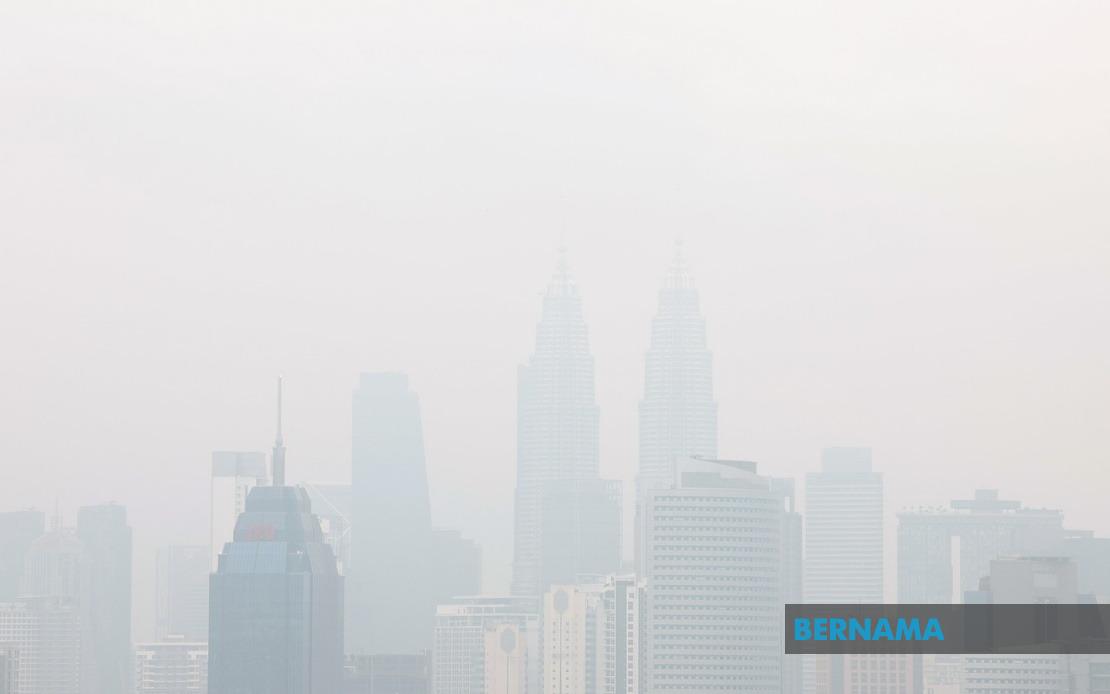
The ASEAN Specialised Meteorological Centre issued a stark warning on Wednesday that persisting drought conditions could sharply deteriorate air quality across southern ASEAN in the near term, with multiple areas already grappling with unhealthy to very unhealthy atmospheric pollution levels. The alert highlights an escalating environmental challenge that affects millions across the region, particularly in Malaysia and neighbouring nations, as extended dry periods create ideal conditions for fire-driven smoke plumes to intensify and spread across borders.
The meteorological body identified West, Central and South Kalimantan as zones of significant concern, with moderate to dense smoke plumes already visible across these Indonesian territories. The situation extends across maritime boundaries into Sumatra's central and southern zones, where similar atmospheric haze patterns persist. Meanwhile, scattered to isolated hotspot clusters continue to emerge throughout parts of Indonesia, suggesting that fire activity remains active despite regional efforts to monitor and manage vegetation burning.
Air quality measurements across the affected zones tell a troubling story. Multiple monitoring stations spanning West and South Kalimantan, western Sarawak, western Peninsular Malaysia, and central-southern Sumatra have recorded pollution readings classified as unhealthy to very unhealthy. This classification indicates air quality conditions that pose genuine health risks to vulnerable populations, including elderly residents, children, and those with pre-existing respiratory conditions. The breadth of affected areas underscores how transboundary pollution respects no administrative borders, creating a shared regional crisis requiring coordinated responses.
Within Malaysia specifically, the situation has deteriorated significantly. As of Wednesday morning, seventeen distinct areas distributed across six states and two Federal Territories recorded unhealthy Air Pollutant Index readings. Sarawak emerged as a particular hotspot, with three locations registering concerning pollution levels. Sri Aman topped the readings at 167, followed closely by Serian district police headquarters at 166, and Samarahan at 162. The consistency of these elevated readings across multiple Sarawak locations suggests localized weather patterns and proximity to Indonesian fire sources are concentrating smoke impacts in the state.
Peninsular Malaysia has not escaped the haze's reach. Several regions in Selangor, Kuala Lumpur, Negeri Sembilan, Johor, Melaka, and Perak recorded unhealthy air quality during the same measurement period. Putrajaya, the nation's federal administrative capital, also registered pollution levels exceeding safe thresholds. This broad geographic distribution across the peninsula indicates the haze problem extends beyond localized zones and reflects a regional atmospheric phenomenon affecting the country's population centres.
The meteorological centre's prognosis carries troubling implications for the coming days. If current drought patterns persist without interruption, the ASMC cautioned that existing hotspot and haze conditions could deteriorate further, thereby amplifying the risk of cross-border pollution transport. This assessment directly connects prolonged dry weather to smoke propagation, establishing a clear causal chain that underscores the urgency of the situation for regional governments and air quality management agencies.
Prevailing wind patterns compound the concern. Southeast to southwest winds currently dominating southern ASEAN's atmospheric circulation will carry smoke plumes across traditional transboundary routes. These wind patterns typically transport Indonesian fire smoke toward Malaysian territories, particularly affecting Peninsular Malaysia's western regions and Sarawak. Historical haze episodes demonstrate that such wind directions often sustain pollution events over several days, depending on fire intensity and precipitation patterns.
Singapore's current experience offers partial relief but little comfort to the broader region. The republic's National Environment Agency reported moderate air quality conditions as of Wednesday afternoon, with the 24-hour Pollutant Standards Index reading between 59 and 78. The central region recorded the highest readings, though these levels remain considerably below the unhealthy classification threshold affecting Malaysia. However, Singapore's relatively cleaner air reflects its southern positioning and does not indicate that haze risks have passed. Prevailing weather systems can rapidly shift pollution burdens between nations, as demonstrated during previous major haze episodes.
The timing of this warning carries particular significance for Malaysia's public health sector and environmental authorities. Schools, government offices, and businesses must weigh outdoor activity restrictions against operational requirements. Vulnerable populations face genuine health considerations that extend beyond mere discomfort, potentially exacerbating chronic respiratory and cardiovascular conditions. Healthcare facilities across affected states should anticipate increased demand for respiratory complaints and related medical consultations.
The broader regional context reveals a recurring pattern in Southeast Asia's environmental governance. Transboundary haze episodes regularly expose the limitations of unilateral national air quality management strategies. While Malaysia maintains sophisticated air monitoring networks and air quality communication systems, addressing haze fundamentally requires cooperation on fire suppression, agricultural land management practices, and climate adaptation across international borders. The ASMC warning underscores how meteorological forecasting, while valuable, cannot substitute for comprehensive regional prevention mechanisms.
Moving forward, the effectiveness of regional response efforts will likely determine whether current unhealthy conditions represent a temporary spike or the beginning of a sustained haze episode. Indonesia's fire prevention agencies, Malaysian environmental authorities, and ASEAN's collective institutional machinery face a critical window to demonstrate coordinated crisis management. The persistence of drought conditions creates urgency that transcends normal diplomatic rhythms, demanding accelerated decision-making and resource mobilization across multiple governmental levels.

