Indonesia's Finance Ministry is moving decisively to take majority control of its flagship Jakarta-Bandung high-speed railway operator, signalling a strategic shift in how the nation manages critical transport infrastructure. The acquisition of a 60 percent stake in PT Kereta Cepat Indonesia-China (KCIC) is expected to be finalised by mid-September, giving the government direct operational oversight of one of Southeast Asia's most ambitious transportation projects. This development carries significant implications for how Jakarta manages future megaprojects and reflects a broader pattern across the region of governments reasserting control over strategic assets, particularly those involving substantial foreign investment and long-term revenue streams.
The timing of Indonesia's move toward controlling the HSR operator coincides with the nation's push to finalise its landmark trade agreement with the European Union. Negotiations for the Indonesia-EU Comprehensive Economic Partnership Agreement (IEU-CEPA) are targeting completion in the fourth quarter of 2026, marking the conclusion of nearly a decade of complex discussions. For Malaysian traders and manufacturers, this agreement carries direct implications, as deeper Indonesian-EU integration could reshape regional supply chains and create both competitive pressures and new opportunities for cross-ASEAN commerce. The deal would substantially open European markets to Indonesian products while requiring Jakarta to harmonise standards and regulations—a process that typically influences broader Southeast Asian trade patterns.
Cambodia is channelling development resources toward infrastructure modernisation in its rural northwest through its Peace Village Project partnership with South Korea. The second phase of this initiative will upgrade infrastructure across Battambang, Banteay Meanchey, and Pailin provinces, addressing the persistent urban-rural development gap that challenges many Southeast Asian economies. Prime Minister Hun Manet has simultaneously prioritised educational transformation, laying out four strategic recommendations focused on quality, equity, digital capability, and workforce development. These complementary efforts—physical infrastructure enhancement alongside human capital building—represent a deliberate strategy to prepare Cambodia's population for participation in the digital economy, a priority increasingly urgent across the region as automation and remote work reshape labour markets.
The Philippines confronted severe weather challenges as Tropical Cyclone Maymay weakened into a low-pressure system, with authorities lifting wind signals following the storm's passage. Beyond the immediate weather event, the Philippines continues grappling with a structural challenge in workforce development: the disconnect between what schools teach and what industries require. Government officials, educators, and business leaders recognise that stronger coordination among these three stakeholders is essential for equipping Filipinos with job-ready skills. This skills gap problem resonates across Southeast Asia, where rapid economic transformation and technological change frequently outpace educational curricula, leaving young workers inadequately prepared for available positions.
Singapore's sports authorities are focused on a high-pressure ASEAN Football Championship encounter with Indonesia, with head coach Gavin Lee emphasising composure and disciplined execution as the Lions face their most significant test of the tournament to date. Simultaneously, the city-state is advancing transport technology through experimentation with camera-based electronic road pricing systems that demonstrate 97.2 percent accuracy in vehicle licence plate recognition, even under challenging weather and lighting conditions. This technological innovation reflects Singapore's broader strategy of leveraging automation and artificial intelligence to enhance public administration efficiency—a model increasingly studied by other regional governments seeking to improve infrastructure management and revenue collection.
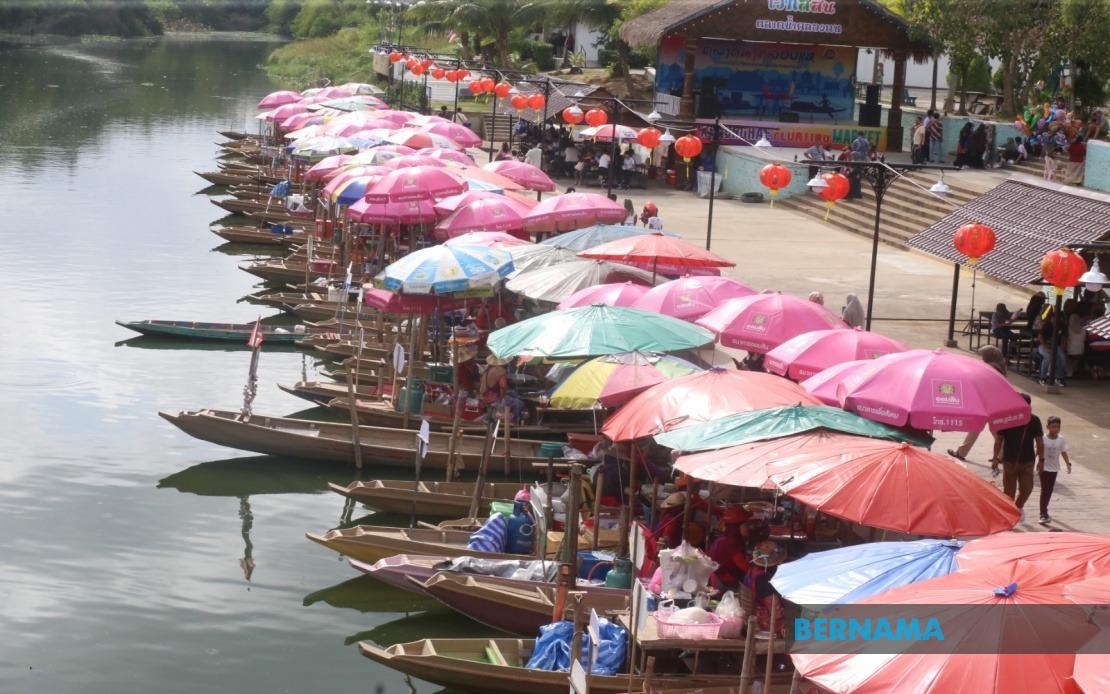
Thailand is expanding its cultural and economic development strategy by pursuing Unesco Creative Cities Network designation for two additional cities every two years, targeting a total of 35 Thai cities recognised by 2037. This ambitious programme recognises that creative industries—encompassing design, heritage, gastronomy, and digital content creation—represent high-value economic sectors with substantial employment potential and lower environmental footprints than traditional manufacturing. The Designated Areas for Sustainable Tourism Administration's strategy reflects growing recognition across Southeast Asia that sustainable tourism and cultural economics can drive rural development while preserving local identity, a particularly important consideration as overtourism threatens heritage sites throughout the region.
Thailand's police forces have dismantled elements of a transnational criminal network spanning Vietnamese nationals, with arrests on August 6, 2026 linking call-centre fraud operations to drug trafficking cases through sophisticated money flow analysis. The investigation's revelation of interconnected Vietnamese involvement in both scams and bribery demonstrates how organised crime syndicates increasingly operate across borders, exploiting regulatory gaps and digital infrastructure to victimise citizens across multiple jurisdictions. This development underscores the urgency of enhanced cross-border law enforcement cooperation and the necessity for ASEAN nations to strengthen financial crime detection capabilities, particularly as digital payment systems proliferate.
Vietnam is intensifying trade engagement with Malaysia, with Prime Minister Le Minh Hưng emphasising expanded cooperation in agricultural products, processed foods, electronics, and construction materials during discussions with outgoing Malaysian Ambassador Datuk Tan Yang Thai. This bilateral focus complements Vietnam's broader regional strategy and reflects the complementary nature of Southeast Asian economies, where specialisation in different sectors can generate substantial mutual benefit. Vietnamese officials simultaneously highlighted the explosive growth of the nation's durian export sector, which targets US$4.5 billion (RM18 billion) in revenue this year—a remarkable achievement for what was virtually nonexistent as an export product before Chinese market access was formally established in 2022.
The durian phenomenon exemplifies how rapidly Southeast Asian agricultural sectors can be transformed when market access expands, particularly access to China's massive consumer base. Vietnam's durian success has prompted similar exploration of tropical fruit exports throughout the region, creating both opportunity and competitive tension among growers. For Malaysia, which has historically dominated global durian markets, Vietnam's rise presents a formidable challenge requiring continued investment in premium product differentiation and supply chain efficiency. The scale of Vietnam's ambitions—targeting the same market that Malaysian producers have traditionally dominated—indicates that regional agricultural competition will intensify substantially in coming years.
These August developments across Southeast Asia collectively illustrate an interconnected region pursuing simultaneous but sometimes competing objectives: infrastructure modernisation, trade liberalisation, workforce development, technological advancement, and sustainable tourism. Indonesia's HSR consolidation, the IEU-CEPA negotiations, Cambodia's rural development initiatives, the Philippines' skills agenda, Singapore's transport innovation, Thailand's creative cities programme, and Vietnam's agricultural export expansion all reflect individual national strategies yet create cumulative effects on the regional economy. Malaysian observers should note that these initiatives, while distinct, will collectively reshape competitive dynamics, trade flows, supply chains, and labour market demands throughout Southeast Asia over the next decade. The region's trajectory toward greater integration, technological sophistication, and diversified economic bases suggests that bilateral and multilateral partnerships—of the sort Vietnam is developing with Malaysia—will become increasingly central to national competitiveness.

