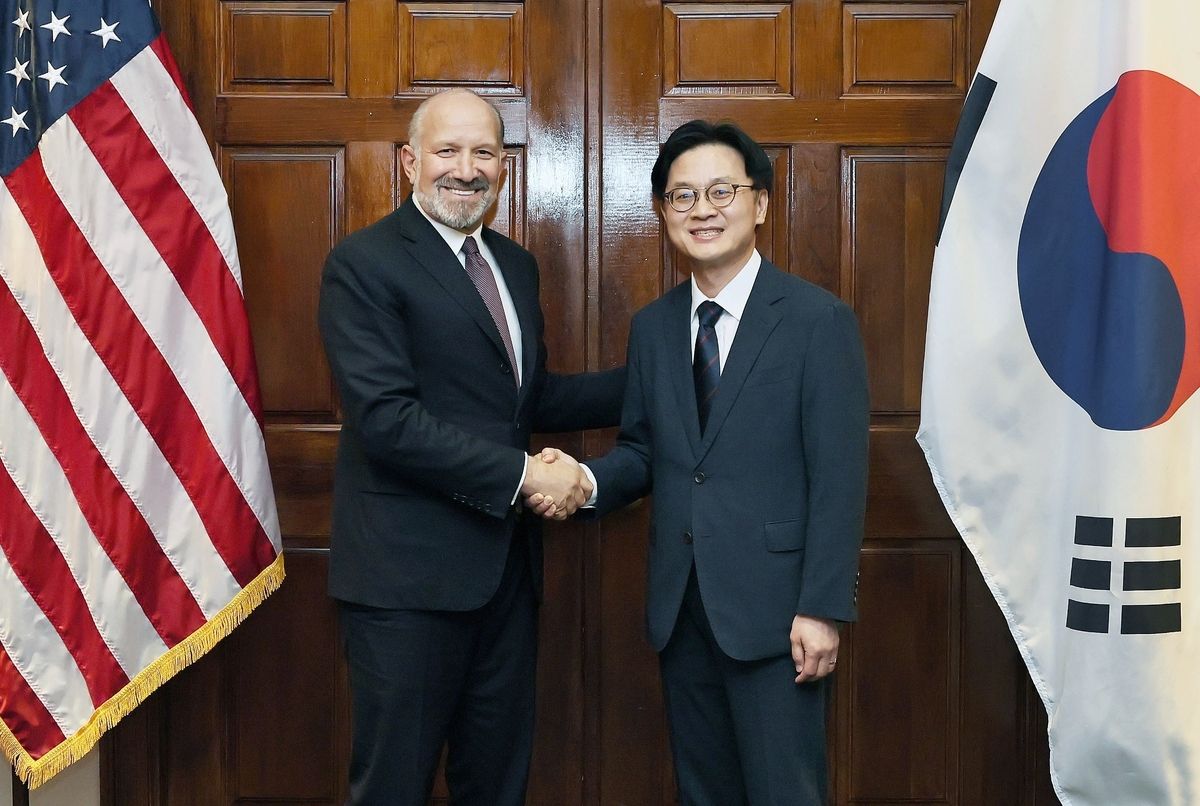
South Korea's Industry Minister Kim Jung-kwan is travelling to Washington on a high-stakes diplomatic mission, arriving just as the Trump administration prepares to announce additional tariffs on trading partners under Section 301 of the U.S. Trade Act. The carefully timed visit signals Seoul's determination to influence the outcome of an ongoing U.S. investigation into trade practices, particularly those involving forced labour allegations that could significantly impact Korean exporters. Minister Kim will spend four days in the American capital from July 22 to 25, positioning himself at the centre of negotiations that could reshape bilateral trade dynamics in the coming months.
The backdrop to this visit reflects mounting anxiety in Seoul about potential tariff escalation. Local media reports suggest the U.S. investigation could lead to additional duties on South Korean goods, threatening the competitiveness of the nation's important export sectors. By dispatching his trade minister for direct conversations with senior American officials, South Korea is attempting to make its case before Washington finalises its tariff decisions. This proactive approach underscores how seriously Seoul takes the possibility of trade restrictions that could weaken an economy heavily dependent on exports to the United States.
During his Washington stay, Minister Kim will meet with U.S. Commerce Secretary Howard Lutnick to discuss strategic investment initiatives and bilateral cooperation frameworks. These conversations are expected to focus on how South Korean companies can expand their footprint in American markets, potentially offsetting any tariff-related damage. The discussion of investment rather than purely defensive trade measures suggests Seoul is pursuing a dual strategy—reducing tariff exposure while simultaneously deepening economic integration with the United States through direct business investment.
Energy cooperation also features prominently in the minister's agenda. Kim is scheduled to meet U.S. Energy Secretary Chris Wright to explore joint initiatives in resource development and energy security. This component of the visit reflects both nations' shared interests in securing reliable energy supplies and developing technological cooperation in emerging sectors like semiconductors and clean energy. For South Korea, strengthening energy ties with Washington could provide additional economic leverage in broader trade negotiations.
Beyond bilateral meetings with cabinet officials, Minister Kim plans to engage directly with members of Congress, a move designed to build political support for South Korean interests on Capitol Hill. Congressional input often shapes trade policy implementation, and Korean diplomats understand that cultivating relationships with influential lawmakers could help moderate any tariff actions or provide pathways for exemptions and special considerations.
The centrepiece of the minister's visit is the opening ceremony for a new South Korea-U.S. Shipbuilding Partnership Center in Washington on Thursday. This facility, established following a May agreement between Seoul and the U.S. Commerce Department, represents a concrete manifestation of bilateral cooperation in a strategically important industry. The shipbuilding sector holds particular significance for South Korea's manufacturing base, and formalising cooperative structures signals both countries' commitment to maintaining competitive advantages in this space. The centre will serve as a dedicated platform for Korean and American shipbuilders to coordinate activities, share technology insights, and jointly pursue commercial opportunities.
Underpinning these diplomatic activities is a South Korean law that took effect in June designed to facilitate strategic investments in the United States. Minister Kim intends to clarify and expand the scope of investment projects eligible under this framework, potentially channelling Korean corporate capital into American industries and communities. By investing directly in U.S. operations, South Korean firms can potentially circumvent tariff restrictions while simultaneously contributing to American economic growth and employment—a narrative that appeals to U.S. policymakers.
The broader context for this mission involves Seoul's delicate balancing act between maintaining strong ties with its closest security ally and protecting domestic industries from trade restrictions. South Korea's economy remains particularly vulnerable to sudden tariff shocks given its reliance on exports of semiconductors, automobiles, chemicals, and shipbuilding products to global markets, with the United States representing a critical destination. Any significant tariff increase could cascade through the Korean economy, affecting manufacturers, workers, and consumers alike.
Minister Kim's public statements before departure emphasise Seoul's commitment to implementing existing tariff agreements and preserving bilateral trade stability. This messaging aims to position South Korea as a reliable and cooperative partner rather than a target for protectionist measures. The framing suggests Seoul believes that demonstrating goodwill, expanding investment, and deepening sectoral cooperation offer the most effective counterweight to tariff pressure.
For Malaysia and other Southeast Asian nations watching these developments, South Korea's experience offers instructive lessons about navigating shifting American trade policies. As the Biden administration transitions and new priorities emerge, smaller export-dependent economies face similar pressures and must develop comparable diplomatic strategies to protect their interests. The success or failure of Seoul's current approach could influence how other regional economies calibrate their own responses to American trade actions in the months ahead.

