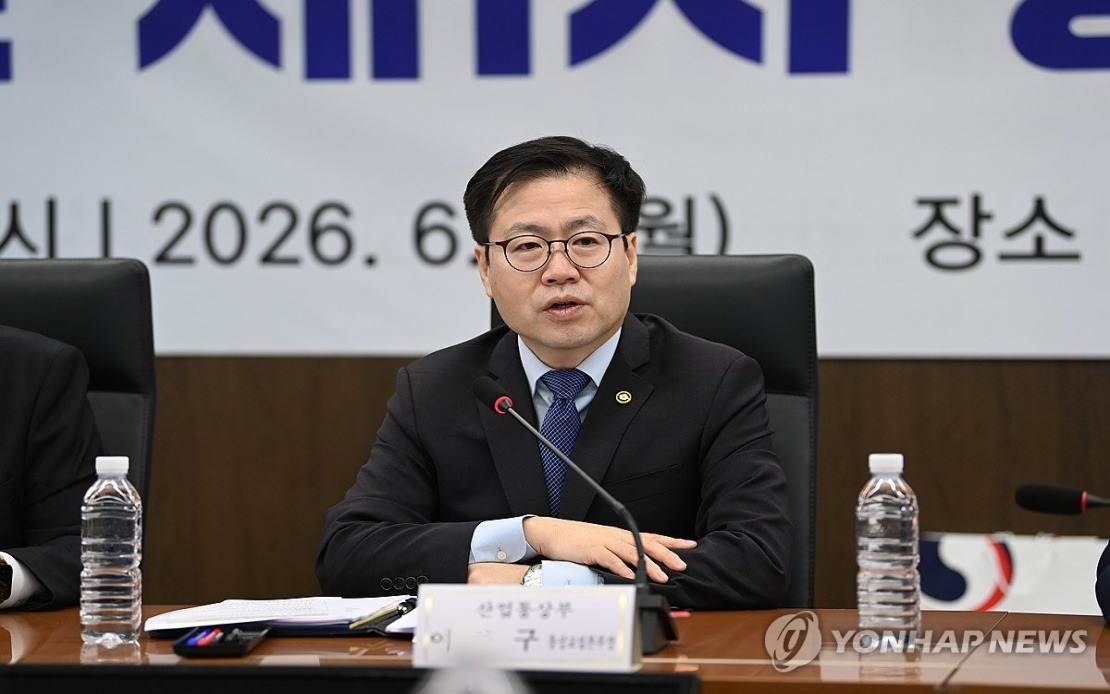
South Korea's government removed its chief trade negotiator from office on Friday, marking a significant shift in Seoul's diplomatic machinery at a moment when bilateral trade relations with the United States have grown notably strained. Officials announced the dismissal of Yeo Han-koo through the Ministry of Personnel Management, though authorities declined to provide specific justification for the decision. The timing of the removal has raised questions across the region about the trajectory of US-South Korean trade relations, particularly given the constellation of unresolved commercial disputes between the two nations.
Government representatives moved quickly to distance the personnel decision from ongoing trade negotiations with Washington, issuing statements asserting that Yeo's dismissal bore no connection to discussions surrounding tariffs or bilateral trade matters. This official position, however, appeared to contradict widespread speculation that the move reflected internal disagreements over how Seoul has managed its response to American trade pressure. Yeo himself issued a rebuttal to suggestions that his removal stemmed from personal misconduct, characterizing such claims as baseless and indicating his intention to explore legal remedies against inaccurate reporting.
The dismissal arrives at a particularly delicate moment for Seoul's trade agenda. The United States has intensified demands that South Korea accelerate its investment commitments under an existing bilateral trade agreement, creating friction between the two allies. Simultaneously, a separate controversy has emerged involving Coupang, the American-listed South Korean e-commerce platform, which faces fines from Seoul over allegations that it failed to adequately protect personal data. These parallel disputes illustrate the multifaceted nature of contemporary trade tensions that extend beyond traditional tariff discussions into regulatory and investment spheres.
President Donald Trump underscored Washington's protectionist trajectory just days before Yeo's removal by signing a proclamation that introduced fresh tariff measures targeting drone technology and related components. The new framework imposes a 15 percent levy specifically on imports originating from South Korea, reflecting a broader pattern of American trade restrictions that have accumulated since Trump's return to office. This escalation demonstrates that the tariff pressures facing Seoul are not merely rhetorical posturing but represent concrete policy implementations with immediate economic implications.
Yeo's professional background encompassed considerable experience navigating Seoul's complex trade relationships. He previously held the position of trade minister during the Moon Jae-in administration, accumulating expertise in negotiating with international partners and managing commercial disputes. Following the Lee Jae Myung administration's inauguration in May 2025, Yeo was reappointed to lead South Korea's trade negotiation efforts, suggesting confidence in his ability to handle the anticipated challenges that lay ahead.
During his recent tenure, Yeo functioned as a central figure in Seoul's dialogue with Washington concerning tariff arrangements and the nation's financial obligations under bilateral trade agreements. His involvement in these negotiations positioned him at the intersection of domestic political pressures and international commercial demands, a role that frequently involves navigating competing interests and managing expectations on both sides of the negotiating table. The intensity of his responsibilities during this period of heightened tension cannot be understated, as trade negotiations of this magnitude require sustained diplomatic engagement and strategic planning.
The broader implications of this administrative reshuffle extend beyond Seoul's government structure to encompass Southeast Asian trade dynamics more broadly. South Korea's handling of its relationship with the United States serves as a bellwether for how regional economies might expect to navigate American trade policy during this period. The combination of new tariffs on strategic technology sectors and demands for accelerated investment commitments reflects a comprehensive trade strategy that other nations in the region, including Malaysia, must monitor carefully.
For Malaysian policymakers and business leaders, Seoul's experience illustrates the contemporary complexities of maintaining commercial relationships with the United States while balancing domestic economic interests. The multidimensional nature of modern trade disputes—encompassing not merely tariff rates but investment flows, regulatory compliance, and data protection standards—suggests that managing trade relations requires sophisticated negotiating machinery and clear strategic direction. Seoul's personnel changes may signal organizational difficulties in maintaining the coherent approach necessary for such complex negotiations.
The dismissal also raises questions about potential shifts in South Korea's negotiating posture toward Washington. Yeo's replacement will inherit responsibility for managing trade discussions at a moment when American demands appear to be escalating rather than stabilizing. How Seoul selects a new chief trade negotiator and what strategic approach that individual brings to the role could significantly influence the trajectory of bilateral relations over coming months. The urgency of filling this position suggests that Seoul recognizes the critical nature of the current negotiating environment.
The investment commitment dispute deserves particular attention, as it represents a departure from conventional tariff-based trade conflicts. By demanding that South Korea accelerate capital deployment under bilateral agreements, the United States is essentially conditioning continued favorable trading access on Korean companies expanding their American operations more rapidly than currently planned. This approach merges trade policy with industrial policy considerations, creating pressure points that transcend traditional negotiating frameworks and demand integrated responses across multiple government ministries.
For observers across Southeast Asia, the developments in Seoul underscore the elevated stakes involved in maintaining productive relationships with the United States during a period of pronounced protectionist sentiment. South Korea's dismissal of its chief trade negotiator serves as a reminder that trade tensions can penetrate government structures themselves, potentially disrupting institutional continuity at moments when diplomatic skill becomes most valuable. The region would benefit from carefully observing how Seoul resolves this transition and what negotiating strategies emerge under new leadership.

