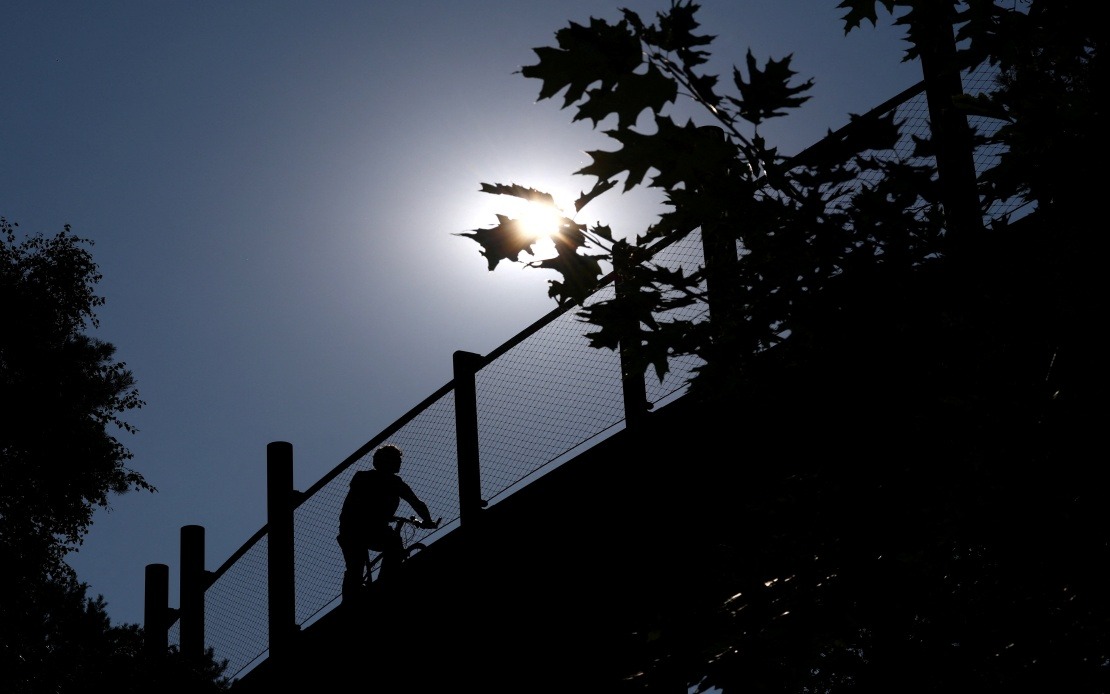
South Korea is confronting a deepening heat crisis that has claimed 21 lives so far this year, a grim milestone that has already surpassed the entire 2023 death toll from heat-related conditions. The Korea Disease Control and Prevention Agency confirmed the figures on Wednesday, signalling that while the absolute number of people seeking emergency care for heat-related ailments has declined compared to the same period last year, the severity and lethality of this year's heat wave appears markedly worse. The discrepancy between lower case numbers and higher fatalities suggests that extreme temperatures are affecting more vulnerable populations disproportionately, a pattern observers across Southeast Asia should monitor closely as climate change intensifies regional heat extremes.
From mid-May through early August, South Korean health systems have handled 2,441 emergency department visits related to heat illnesses, a figure that encompasses the full spectrum of heat-induced medical crises now being systematically tracked. Among these cases, the breakdown reveals that heat exhaustion dominated, accounting for roughly 62 percent of presentations—a condition characterised by dehydration, weakness, and dizziness that, while serious, is generally survivable with proper intervention. Heat stroke, the far more dangerous condition where the body's core temperature rises dangerously and organ damage becomes imminent, represented nearly 17 percent of cases. Heat cramps, the mildest manifestation, made up around 11 percent of recorded incidents. This epidemiological profile underscores how climate-related health threats operate across a spectrum, with most people experiencing manageable symptoms whilst a smaller, often overlooked population faces mortal risk.
One particularly tragic case exemplifies the danger facing outdoor workers across East Asia. A 60-year-old man laboring on a farm in Eumseong County, North Chungcheong Province, became one of this year's victims, collapsing during work hours on Tuesday. Agricultural and construction workers, who form a substantial portion of the workforce in developing and middle-income countries throughout the region, face compounding risks—they work through the hottest hours, often lack adequate hydration facilities or shaded breaks, and may delay seeking medical care due to economic pressures. His death underscores how climate impacts are not distributed equally, with poorer workers and rural populations bearing disproportionate burdens. For Malaysia and other Southeast Asian nations with significant agricultural sectors, such cases warrant urgent attention to workplace heat safety protocols and enforcement mechanisms.
The South Korean government's response has centred on elevated alert systems and public warnings as conditions deteriorated through early August. The Korea Meteorological Administration, the national weather forecasting body, expanded serious heat wave warnings specifically for the greater Seoul metropolitan area, placing an estimated 43 percent of the region under its highest warning tier. This phased approach to risk communication reflects a strategy common across developed Asian nations: using escalating alert levels to signal danger intensity and prompt behavioural responses from the population. The Seoul area faced projected peak temperatures reaching 39 degrees Celsius on Thursday alone, a figure that, whilst not unprecedented globally, remains dangerous for prolonged exposure, particularly among the elderly, outdoor workers, and those without adequate air conditioning access.
The comparison with 2023 figures provides crucial context for understanding whether this year represents a genuinely worse scenario or simply reflects different reporting mechanisms and population demographics. Although fewer total heat-related cases have been recorded this year than during the corresponding 2023 period, the fact that fatalities have already exceeded last year's complete annual total suggests either a shift toward more severe presentations or a population increasingly vulnerable to heat stress. Demographic ageing in South Korea, where the population median age exceeds 43 years, may be contributing—elderly populations tolerate heat less effectively and suffer higher complication rates. Alternately, the heat waves may have arrived with greater intensity this year, or vulnerable individuals may be delaying hospital visits due to economic hardship or other barriers, only presenting when conditions become critical.
For Malaysia, which regularly experiences temperatures exceeding 35 degrees Celsius and sits in one of the world's most heat-exposed tropical zones, the South Korean experience carries instructive lessons despite different climatic contexts. Malaysian readers accustomed to perennial heat might assume immunity, yet cumulative exposure combined with urban heat islands, inadequate workplace protections, and an ageing population creates real vulnerabilities. The shift from high case volume to high mortality suggests that once heat-related illnesses reach critical stages, rescue becomes more difficult—a sobering reminder that adaptation strategies must emphasise prevention through workplace regulations, mandatory cooling breaks, hydration stations, and public education rather than relying solely on hospital capacity.
South Korea's surveillance system, launched in mid-May annually, represents a coordinated national approach that identifies cases early and tracks trends systematically. This institutional framework has enabled the government to detect patterns, adjust warning protocols, and allocate resources—capabilities that remain inconsistently developed across Southeast Asia. Many countries in the region lack robust heat-illness tracking systems, meaning the true burden of climate-driven mortality remains obscured. Building similar surveillance infrastructure would help policymakers in Malaysia and neighbouring nations quantify their heat health challenges, target interventions precisely, and measure intervention effectiveness. The cost of such systems pales beside the human and economic toll of preventable heat deaths.
Weather agencies and health authorities in South Korea have coordinated their response, with the meteorological body issuing warnings whilst the disease control agency monitored health impacts—a model of institutional alignment often absent in fragmented health systems. This integration allows for real-time feedback; when hospitals report surging heat cases, meteorologists refine forecasts and warning thresholds; when weather forecasts indicate dangerous conditions ahead, health systems pre-position resources. For Southeast Asian countries, such inter-agency coordination frameworks could significantly improve outcomes without requiring enormous expenditure, merely different operational arrangements and communication protocols.
The psychological and social dimensions of heat waves warrant consideration alongside epidemiological data. Extreme heat impairs cognition, elevates irritability, and can trigger mental health crises—factors rarely captured in standard heat-illness statistics yet profoundly affecting community wellbeing. In South Korea, where social cohesion remains relatively high, government messaging about heat risks has helped mobilise community responses, with neighbours checking on elderly residents and workplaces implementing cooling measures. Building such social capital around climate resilience remains underdeveloped across much of Southeast Asia, where individualism and economic pressures may undermine collective heat-response norms. Malaysian cities, with their diverse populations and varying levels of social integration, would benefit from deliberate community-building initiatives framing heat safety as a shared responsibility.
Looking forward, South Korea's experience suggests that without aggressive carbon emissions reductions and adaptation investments, heat-related mortality will worsen rather than improve. The country, as a developed high-income nation with universal healthcare, advanced weather forecasting, and strong institutional capacity, still recorded 21 preventable deaths. Poorer nations, with fragmented health systems and limited resources, face exponentially higher risks. For Malaysia and Southeast Asia broadly, the South Korean heat crisis functions as an early warning—a preview of intensifying climate impacts even as governments continue insufficient emissions reductions. The 21 deaths were preventable through adequate workplace regulations, universal air conditioning access, public education, and worker protections, measures South Korea possesses yet still failed to implement completely. Southeast Asian nations must learn from such failures, investing proactively in heat adaptation rather than reactively managing catastrophes after they occur.

