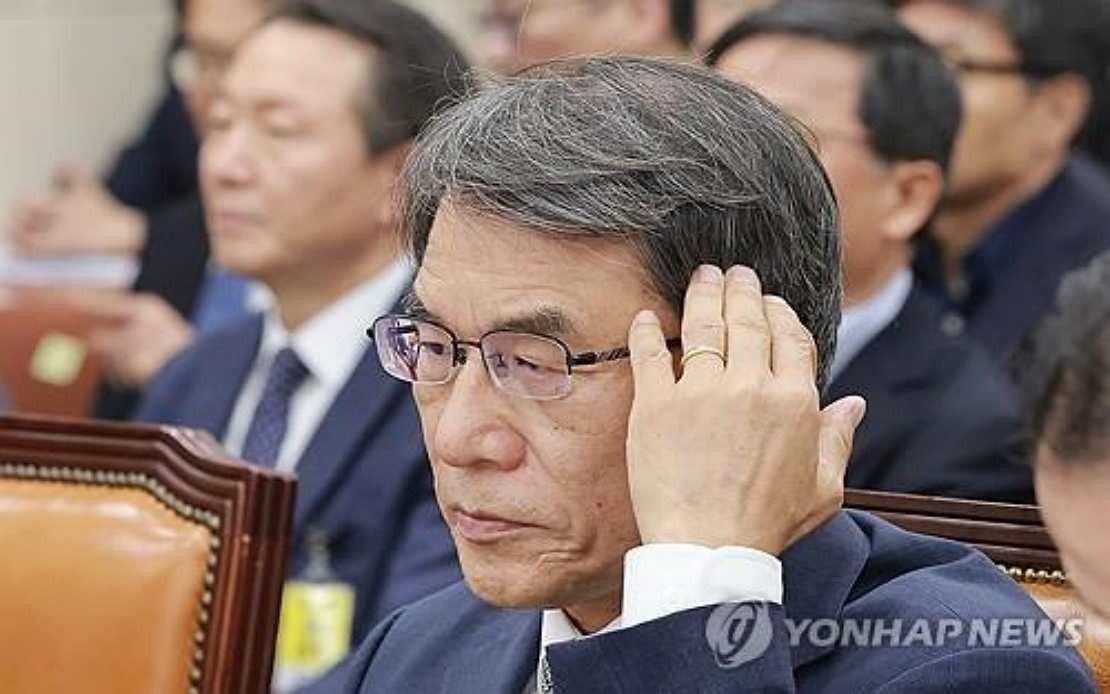
South Korean investigators conducted a significant raid on the National Election Commission's headquarters on Monday as part of a widening corruption inquiry into financial misconduct at the agency. A combined police-prosecution task force executed the search operation after obtaining a warrant that identified former chairperson Roh Tae-ak and several unnamed NEC officials as suspects in an embezzlement investigation. The morning raid focused on the commission's leadership offices, signalling the gravity with which authorities are treating the allegations, though Roh's personal residence was notably excluded from the day's search activities.
The core allegations centre on Roh's conduct during his tenure at the helm of South Korea's electoral body. The former chief undertook three international business trips spanning multiple continents—visiting Australia and New Zealand in one journey, travelling to Germany and Estonia in another, and journeying to Denmark and Sweden on a third occasion. Critically, Roh's spouse accompanied him on every single trip, yet the NEC's official public reports documenting these missions failed to disclose the spouse's participation. This deliberate omission from official records has triggered accusations of occupational embezzlement, with investigators viewing the undisclosed companion as evidence of misuse of public resources for private benefit.
The investigation reveals a much broader pattern of questionable spending practices within the electoral commission's operations. Between 2022 and June of the current year, 461 NEC employees collectively undertook 107 overseas business trips to destinations that raise eyebrows for an election management agency. The chosen locations—including luxury resort destinations such as the Maldives, plus major tourist cities like Bangkok, Kota Kinabalu, and Florence—suggest that business justifications for these journeys warrant serious scrutiny. The sheer volume of international travel by commission staff raises questions about budgetary oversight and whether these missions genuinely served electoral administration functions or were instead opportunities for subsidised leisure travel.
For Malaysian observers, this case offers instructive parallels regarding institutional accountability in electoral administration across the region. Southeast Asian election management bodies handle sensitive democratic functions and command substantial public resources, making transparent governance essential to maintain public confidence. The South Korean situation demonstrates how lax internal controls and inadequate documentation of official travel can erode institutional credibility and invite corruption allegations that damage public institutions long after the individuals responsible have departed. Malaysia's own electoral institutions would benefit from examining whether similar gaps exist in their financial reporting and oversight mechanisms.
The political dimensions of the scandal cannot be ignored. Former chief Roh's resignation came last month following the June 3 local elections, which were marred by ballot shortages that disrupted voting at multiple polling stations across southern Seoul. These operational failures coincided with the corruption allegations, compounding damage to the NEC's reputation and public trust in electoral administration. The ballot shortage incident suggested potential systemic mismanagement extending beyond financial matters, raising concerns about the institution's fundamental capacity to administer elections reliably.
The People Power Party, South Korea's main opposition faction, filed the initial complaint against Roh on June 19, setting the formal investigation in motion. The opposition's role in triggering the probe reflects how electoral administration bodies remain politically sensitive institutions where opposition parties maintain particular interest in ensuring accountability. In the Malaysian context, similar political sensitivities surround the Election Commission, making robust, independent oversight mechanisms crucial for maintaining institutional legitimacy across the political spectrum.
The investigation's scope extending to 461 employees suggests that embezzlement and fund misappropriation may represent systemic failures rather than isolated lapses by a single executive. When such large numbers of staff participate in questionable spending patterns, it indicates either widespread understanding that financial rules are flexibly enforced or absence of meaningful internal controls. This systemic dimension makes the case particularly damaging to institutional reputation and raises difficult questions about management accountability beyond just Roh's personal conduct.
South Korea's response demonstrates the willingness of its law enforcement apparatus to investigate even high-ranking government officials, reflecting institutional commitments to accountability that strengthen democratic governance. The joint police-prosecution task force represents serious investigative resources deployed to electoral commission corruption, signalling that authorities view the matter as worthy of priority attention. For other regional democracies, this approach contrasts with contexts where electoral bodies enjoy de facto immunity from investigation, allowing institutional decay to proceed unchecked.
The undisclosed spouse travel element adds a particularly poignant dimension to the case, as it demonstrates deliberate concealment rather than inadvertent administrative oversight. Consciously omitting information from official reports suggests intention to hide activities that officials themselves recognised as inappropriate. This calculated approach to record-falsification compounds the corruption allegations and may expose Roh to additional charges beyond straightforward embezzlement.
Moving forward, the NEC faces significant institutional repair challenges as investigations continue. The agency must implement demonstrably stricter travel documentation requirements, establish independent oversight of executive expenditure, and rebuild public confidence in its financial management. The scandal will inevitably affect electoral administration credibility during upcoming elections, potentially influencing voter participation and public perceptions of democratic institutions. South Korea's handling of these cases will provide valuable lessons for how democracies manage corruption within sensitive electoral bodies while maintaining institutional continuity and public trust.

