South Korean police have moved to prosecute a woman suspected of orchestrating an elaborate ticket-scalping operation that netted her hundreds of thousands of dollars through the resale of K-pop concert tickets. The Seoul Metropolitan Police Agency announced on August 26 that the suspect, a woman in her 30s, had been referred to prosecutors on charges of violating the Information and Communications Network Act, obstructing business, and breaching the Public Performance Act. The case represents a significant enforcement action against illegal ticket reselling, an increasingly sophisticated problem that has plagued the booming K-pop industry across South Korea.
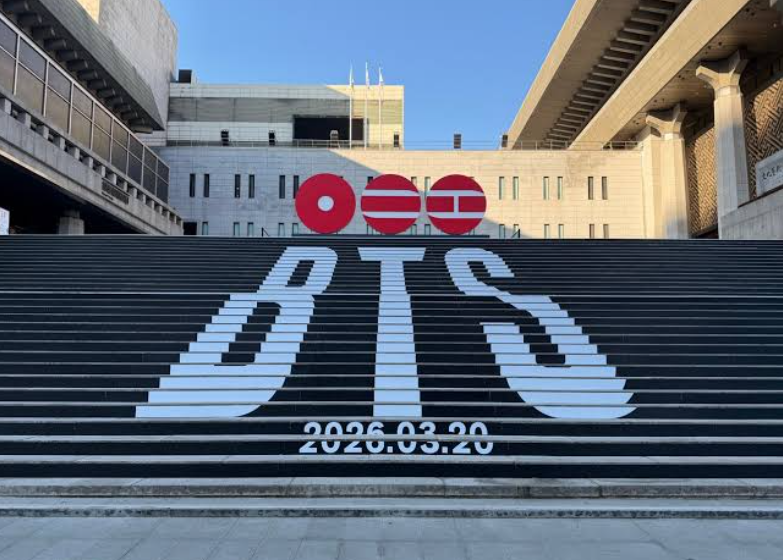
Investigators determined that the woman systematically exploited ticket-sales systems using a macro programme—automated software designed to execute rapid-fire purchases beyond the capabilities of human users. Between April 2023 and March 2026, she deployed this technology to acquire approximately 2,600 tickets to performances by leading K-pop artists, according to police findings. The scheme was particularly brazen in its targeting of the most coveted events. Most notably, she obtained nine tickets to the highly anticipated BTS Gwanghwamun concert, one of the most sought-after performances in recent K-pop history, though authorities intercepted the tickets before resale could occur.
The mechanics of her operation reveal how venue and ticketing platform safeguards, though well-intentioned, can be circumvented by determined scalpers. The woman bypassed individual purchase limits—typically capped at one or two tickets per person per show to ensure fair access—by creating multiple accounts under the names of relatives and acquaintances. This distributed-account approach meant her macro programme could simultaneously execute purchases across numerous identities, effectively multiplying her allocation beyond what any single purchaser should legitimately access. Ticketing platforms had implemented these per-person restrictions precisely to prevent such manipulation and to guarantee that genuine fans would have realistic opportunities to acquire seats at standard prices.
The financial scale of the operation underscores the profitability potential of ticket scalping in South Korea's entertainment market. Police estimate the woman generated approximately 442 million won—equivalent to roughly US$319,000—in illegal proceeds from her resale activities. This figure suggests she was not merely engaging in opportunistic ticket flipping but rather operating as a structured criminal enterprise, systematically purchasing inventory and monetising scarcity. The authorities have initiated pre-indictment seizure and preservation proceedings targeting these alleged proceeds, a legal manoeuvre designed to prevent asset disposal before trial and to protect potential victims' compensation prospects.
The discovery of her scalping network came during heightened security surrounding ticket sales for the BTS Gwanghwamun concert in February, as the performance attracted exceptional public demand. Seoul Metropolitan Police and ticketing platforms were already operating under elevated alertness, monitoring reservation patterns for suspicious activity. This enhanced surveillance proved crucial in identifying the woman's scheme and preventing her from profiting from the nine BTS tickets she had fraudulently obtained. The intervention demonstrates how coordinated oversight between law enforcement and commercial ticketing operators can interrupt sophisticated scalping operations before they reach completion.
This prosecution forms part of a broader crackdown that Seoul is intensifying. Simultaneously, police in Ulsan announced a separate ticket-scalping case targeting a man in his 30s who was arrested and referred to prosecutors. That suspect allegedly created his own macro programme to purchase more than 1,700 K-pop concert tickets between November 2024 and October 2025. The Ulsan scalper allegedly resold these tickets at markups ranging from three to thirteen times their original face value, generating approximately 420 million won in profits. The parallel cases suggest organised ticket scalping is not an isolated phenomenon but rather a coordinated, multi-perpetrator problem affecting South Korea's ticketing ecosystem.
The timing of these prosecutions carries particular significance because South Korea is about to implement substantially tougher penalties for illegal ticket resales. Beginning August 28, revised provisions of both the Public Performance Act and the National Sports Promotion Act will empower authorities to levy administrative fines of up to 50 times the face value of illegally resold tickets. This represents a dramatic escalation from previous penalty structures and signals governmental determination to make scalping economically unviable. For context, a scalper reselling a 100,000-won concert ticket could now face fines potentially reaching 5 million won—a punishment sufficiently severe to fundamentally alter the risk-reward calculus for would-be offenders.
For Malaysian observers, these developments carry instructive lessons regarding the governance of live entertainment sectors experiencing rapid digital commercialisation. K-pop's expansion into Southeast Asia, including Malaysia, means that scalping schemes targeting Korean artists frequently affect Malaysian fans and tickets. The sophistication of macro-programme exploitation revealed in these cases demonstrates that technological barriers alone cannot secure fair ticket access; regulatory frameworks, law enforcement capacity, and cross-platform coordination between venues and ticketing operators are equally essential. Malaysia's entertainment and ticketing sectors remain less densely regulated than South Korea's, presenting both opportunities for better regulation and vulnerabilities to similar scalping operations.
These prosecutions also illuminate broader questions about market fairness and access to cultural experiences in the digital age. K-pop concerts represent not merely entertainment transactions but significant cultural and social events for fans, many of whom endure substantial effort and expense to attend performances. When macro programmes systematically divert inventory from genuine enthusiasts to profit-seeking resellers, the impact extends beyond individual ticket prices; it effectively reshapes concert demographics, replacing passionate fans with wealthy secondary-market purchasers. This redistribution of access creates resentment within fan communities and undermines the authentic concert experience that artists and venues ostensibly wish to provide.
South Korea's increasingly aggressive enforcement posture reflects recognition that ticket scalping, though sometimes framed as a victimless market transaction, carries genuine societal costs. The 442-million-won aggregate from just these cases represents wealth transferred from fans and concert promoters to criminal enterprises. By implementing penalties proportional to scalping profits and coordinating enforcement across jurisdictions, South Korea aims to make scalping sufficiently risky and costly that legitimate ticket sales through official channels remain more attractive. Whether these measures will prove sufficient against evolving technological workarounds remains uncertain, but the trajectory indicates governments increasingly view organised ticket scalping as a regulatory priority warranting serious criminal prosecution.

