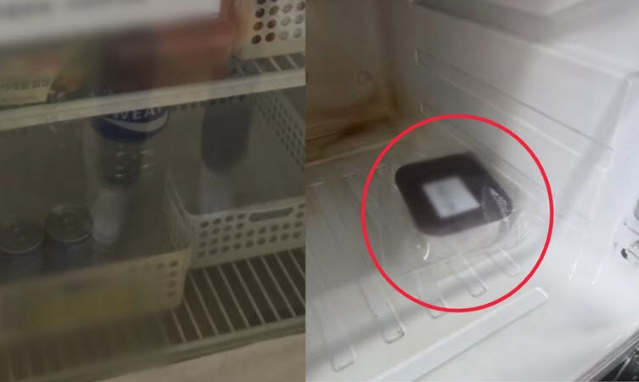
South Korean health authorities have launched an investigation into a Seoul-based nursing hospital following the discovery of a patient's severed toe stored inside a kitchen refrigerator alongside beverages and condiments. The incident came to light when family members of the affected patient found the severed digit, which had been placed inside a disposable porridge container and kept refrigerated for roughly two weeks, according to reporting by KBS on August 19.
The toe belonged to a man in his sixties who has lived at the facility for a decade and has intellectual disabilities. According to the patient's family account, hospital staff notified them in March that one of his toes had become detached following what they described as an accidental fall while being transferred by wheelchair prior to bathing. The hospital staff attributed the incident to skin necrosis that had already affected the toe, suggesting the limb was compromised before the accident occurred.
However, examination of hospital records has raised troubling gaps in communication between the institution and the patient's relatives. The family claims they were never informed that the patient had been diagnosed with a foot ulcer, despite the condition being documented in the hospital's own nursing files dating back to December of the previous year. This discrepancy highlights potential failures in transparency and duty of care, suggesting that family members were kept in the dark about a serious medical condition that may have contributed to the eventual amputation.
The storage arrangement itself represents a potentially grave violation of South Korean health regulations. Under the country's Waste Control Act, medical waste including human tissue must be segregated and stored in designated containers designed specifically for such materials. Storing human remains in close proximity to food items also likely breaches food sanitation regulations designed to protect public health. The practices outlined in this case appear to violate multiple layers of regulatory framework governing both medical waste management and food safety.
When questioned about the irregular storage method, hospital officials offered an explanation centred on resource constraints. They claimed the facility lacked an appropriate container for preserving the severed tissue and that a nurse made the decision to store it in the refrigerator as a pragmatic response to an urgent situation. This rationale, however, overlooks the availability of standard medical waste procedures and raises questions about training, protocol adherence, and whether staff understood the regulatory and sanitary implications of their decision.
The incident reflects broader concerns about care standards and oversight in private nursing facilities across South Korea, particularly those housing vulnerable populations with intellectual disabilities. Families entrusting relatives to institutional care expect not only competent medical treatment but also adherence to established safety protocols and transparent communication regarding health developments. The failure to inform the patient's family about the documented foot ulcer suggests a breakdown in duty to communicate and potential negligence in preventive care.
The situation carries particular significance for the Southeast Asian region, where similar private nursing facilities and long-term care institutions serve growing elderly and disabled populations. Standards for medical waste management and patient safety protocols in such facilities vary considerably across countries, and incidents like this underscore the importance of robust regulatory oversight and regular compliance inspections. For Malaysian readers, this case serves as a cautionary example of how institutional failures can occur even in developed nations and the necessity for vigilant monitoring of care facilities.
The South Korean Health Ministry's response demonstrates the importance of swift regulatory action when violations come to light. The ministry announced it would direct local government authorities to conduct a formal administrative investigation into the hospital, signalling that such incidents will not be dismissed as isolated oversights. This institutional response aims to determine not only how the storage violation occurred but also whether systematic failures in training, supervision, and protocol implementation contributed to the breach.
The broader implications extend to questions about accountability and deterrence in the healthcare sector. Families depend on facilities to maintain professional standards and transparency, particularly when patients are unable to advocate for themselves. The two-week period during which the severed toe remained in ordinary food storage without family knowledge raises questions about whether routine inspections or quality assurance procedures were functioning. Moving forward, this incident will likely prompt more stringent oversight of medical waste handling in Korean nursing facilities and may influence policy discussions across the region regarding minimum standards for institutional care.

