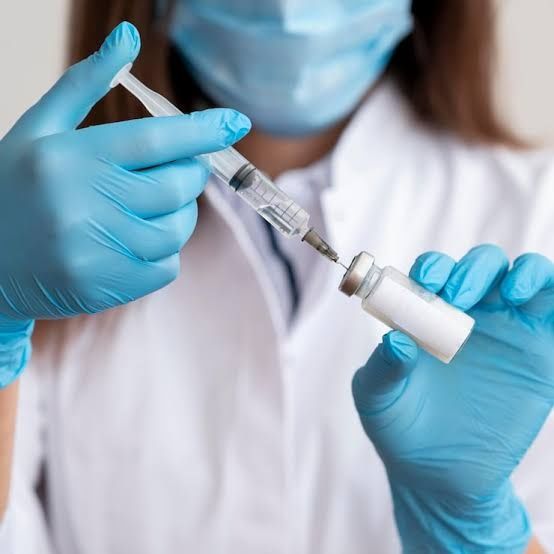
A nurse assistant in Seoul's affluent Gangnam district has been arrested following an incident in which she injected herself with propofol, a potent anaesthetic medication, during her inaugural day working at a dermatology clinic. The July 7 arrest by Seoul Gangnam Police Station marks the latest flashpoint in what authorities and healthcare professionals describe as an escalating problem of narcotic substance misuse within South Korea's medical sector.
The 20-something woman, whose identity has not been disclosed, faces charges under the Narcotics Control Act after security protocols at the clinic detected her self-administering the drug. According to police statements, the suspect discovered a syringe containing propofol residue in a waste receptacle at the facility and proceeded to inject herself with the substance. She was taken into custody without being remanded in physical detention, though investigators are pursuing lines of inquiry into whether this constituted a one-time incident or part of a broader pattern of substance abuse on her part.
Propofol represents one of the most commonly abused medical narcotics in clinical settings throughout South Korea and other developed healthcare systems. The drug functions as a rapid-onset intravenous sedative designed to produce anaesthesia during surgical procedures, diagnostic examinations, and other medical interventions requiring temporary unconsciousness. Medical professionals and addiction specialists point out that the substance carries substantial risks when misused outside controlled clinical environments, including respiratory depression, cardiovascular complications, and in severe cases, fatality.
The incident underscores longstanding vulnerabilities in how South Korean medical institutions manage, store, and dispose of controlled pharmaceutical substances. Propofol and other anaesthetic medications are frequently accessible in clinical areas, sometimes with inadequate oversight or physical security measures preventing unauthorised access. The discovery of a discarded syringe in a standard waste bin—rather than in a dedicated sharps container or incinerator—suggests potential lapses in standard operating procedures at the dermatology facility where the arrest occurred.
South Korea has witnessed a marked expansion in the prevalence of medical narcotic utilisation among its population over recent years. National data released by the Drug Ministry and the Korea Institute of Drug Safety and Risk Management in June revealed that approximately 20.2 million South Koreans—representing nearly four in every ten citizens—received at least one prescription for a medical narcotic during 2025. This substantial figure reflects both legitimate clinical demand for pain management and sedation, as well as evidence of potential overutilisation and diversion of controlled substances into non-medical channels.
The rising trajectory of medical narcotic consumption has generated considerable alarm among public health advocates, addiction specialists, and policymakers throughout South Korea. Critics contend that the current regulatory framework governing pharmaceutical narcotics remains insufficiently stringent in establishing and enforcing protocols for secure storage, proper handling procedures, and safe disposal mechanisms. Healthcare facilities range widely in their adherence to best practices, with some operating world-class monitoring systems whilst others rely on outdated or inadequately resourced approaches to pharmaceutical security.
This particular case carries particular symbolism given that the offence occurred on the suspect's initial shift, suggesting that institutional onboarding and supervision procedures may not adequately address the vulnerabilities surrounding controlled substance access for newly hired personnel. Questions emerge regarding whether the clinic conducted appropriate background screening, provided adequate training on pharmaceutical protocols, or maintained sufficient supervision during the employee's early work days to identify concerning behaviour or security breaches.
South Korea's experience mirrors challenges confronting healthcare systems throughout the developed world, where the balance between maintaining efficient access to essential medications and preventing diversion and abuse remains perpetually contested. The convenience of propofol availability for medical personnel seeking drugs to misuse, combined with the substance's potent and rapid effects, creates particular temptation within clinical environments where supervision may be intermittent or where staff possess knowledge of system vulnerabilities.
Law enforcement and health authorities in South Korea appear poised to intensify scrutiny of narcotic management protocols across medical facilities. The Drug Ministry and other relevant regulatory bodies are reportedly evaluating whether legislative amendments or enforcement actions will be necessary to tighten control mechanisms. Such measures might encompass mandatory electronic tracking systems for controlled substances, enhanced physical security requirements, mandatory supervised disposal protocols, and improved staff training and vetting procedures specifically targeting individuals in roles providing access to pharmaceutical narcotics.
For Southeast Asian nations including Malaysia that maintain comparable healthcare infrastructure and pharmaceutical supply chains, the South Korean case presents instructive lessons regarding the risks inherent in medical narcotic availability. Healthcare facility administrators throughout the region would be prudent to examine their own institutional protocols governing controlled substance access, storage integrity, disposal practices, and personnel supervision—particularly for staff in their initial employment period who may lack adequate familiarity with security expectations and workplace culture surrounding pharmaceutical handling.

