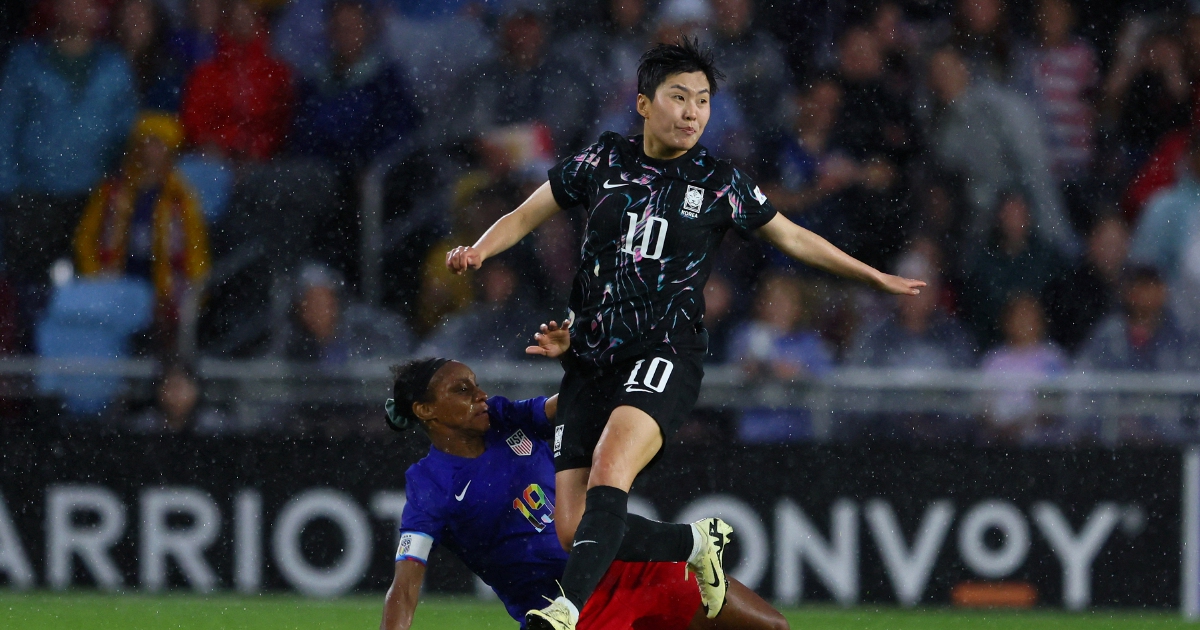
South Korea's women's football federation has formally initiated a comprehensive investigation after accusations emerged that a female referee made an insulting comment about a player's menstrual cycle during a domestic league fixture. The alleged incident, reported to involve former Chelsea midfielder Ji So-yun, has sparked broader conversation about respect and professionalism in women's sports governance across the country.
The federation's decision to launch the probe marks an important moment for South Korean women's football, which has been working to elevate standards and attract greater domestic and international recognition. Ji So-yun remains one of the nation's most accomplished football talents and plays a prominent role in elevating the profile of women's football in Asia. The midfielder's international reputation and stellar club career make this incident particularly significant within sporting circles.
Investigations of this nature require careful examination of the circumstances surrounding the alleged comment, the context in which it was made, and the impact on the player involved. The federation must determine whether the referee's conduct violated professional standards and codes of conduct that are meant to govern officiating at all levels of the sport. Such inquiries typically involve interviews with multiple parties, including the referee, the player affected, and potentially other witnesses present during the match.
The incident highlights persistent issues around gender and respect within sports administration, even within women's football itself. Comments relating to menstruation can constitute a form of harassment and are considered inappropriate and unprofessional in athletic settings. The fact that the alleged insult came from a female referee underscores that problematic attitudes toward women's bodies and physiology are not confined to male sports officials or administrators.
South Korean women's football has experienced significant development over recent decades, with the national team achieving competitive success on regional and global stages. However, like many sports sectors, the women's game continues to grapple with cultural attitudes and institutional practices that can undermine player welfare and dignity. Ensuring that referees and officials maintain appropriate professional standards is essential to creating an environment where female athletes can compete with confidence and respect.
Ji So-yun's playing career, both domestically and abroad, demonstrates the caliber of talent within Korean women's football. Her experience at Chelsea and other top clubs has given her direct exposure to international standards of professionalism and conduct. When incidents like this occur involving high-profile players, they tend to receive greater scrutiny and can serve as catalysts for broader reforms within national federations.
The investigation process itself carries symbolic weight for the sport's development in South Korea. How seriously the federation treats the allegation and what consequences, if any, result from the probe will influence perceptions of whether women's football in the country is genuinely prioritizing player welfare and professional standards. Transparency in such investigations is crucial for maintaining credibility and demonstrating commitment to reform.
Body-related comments in sports have long been recognized as contributing to hostile environments for female athletes. Such remarks can undermine confidence, create psychological discomfort, and perpetuate the notion that women's bodies are subjects for commentary and judgment rather than instruments of athletic performance. Professional sports organizations increasingly understand that fostering inclusive and respectful cultures directly affects player performance, retention, and recruitment.
South Korea's response to this incident will likely influence how other women's sports federations in the region approach similar allegations. As women's sports continue to gain visibility and investment across Asia, the standards set by individual nations and organizations shape broader expectations for conduct and professionalism. Countries within Southeast Asia and East Asia that are developing women's football programs will be watching to see whether South Korea's federation implements meaningful reforms.
The investigation's outcome may lead to discussions about referee training and education standards across South Korean football. Ensuring that officials at all levels understand not only the technical rules of the game but also the importance of maintaining professional and respectful communication with players is fundamental to improving the sport's culture. Training programs can be instrumental in shifting attitudes and ensuring consistency in standards across domestic competitions.
This incident also raises questions about broader support systems for players, including mechanisms for reporting concerns and accessing support when they experience disrespectful treatment. Strong reporting channels and protective measures are essential components of creating safe sporting environments where athletes of all levels feel empowered to raise concerns without fear of retaliation or dismissal.
The federation's investigation represents an opportunity to demonstrate that South Korean women's football takes player dignity seriously and is willing to hold officials accountable for conduct that falls below professional standards. As the sport continues its trajectory of growth and increased visibility, such moments become defining in shaping the values and culture the sport projects both domestically and internationally.

