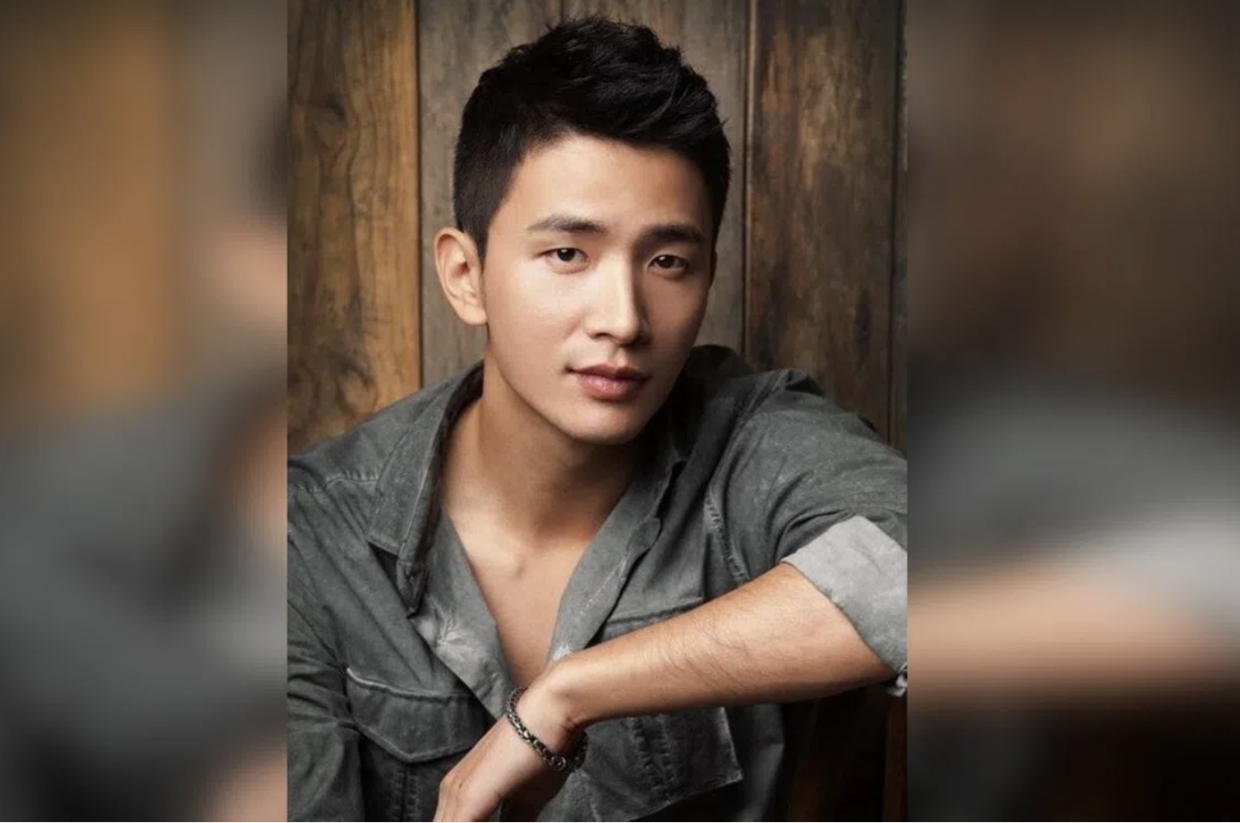
South Korean entertainment circles are mourning the sudden death of actor Lee Yong-joo, who passed away on August 29 at the age of 44. The actor, widely recognised for his portrayal of Jang Kyung in the beloved 2006 drama Princess Hours alongside Ju Ji-hoon, succumbed to cardiac arrest. His death marks a tragic end to a career that spanned nearly two decades in television and film, during which he became a familiar face in Korean television households through both dramatic and comedic roles.
The news of Lee's passing was announced by a close personal friend via social media, who expressed shock at the sudden nature of the actor's death. The friend's post, which urged fans and fellow industry members to bid farewell to Lee, drew immediate attention to his previously disclosed medical struggles. The announcement reignited public discussion about a health condition that had significantly impacted Lee's life and career trajectory since its diagnosis over a decade ago.
In 2013, during promotional activities for the tvN sitcom Blue Tower, Lee had publicly revealed that he suffered from hypertrophic cardiomyopathy, a condition characterised by the abnormal thickening of the heart muscle. This disclosure came shortly after his exemption from mandatory military service in South Korea, a requirement that typically applies to all able-bodied male citizens. The actor explained at the time that his diagnosis had led to his medical discharge, a decision supported by his health status.
The hereditary nature of Lee's condition underscores the medical complexity surrounding his death. The actor disclosed that his mother had been hospitalised with the same heart ailment, suggesting a familial predisposition to the disease. Medical investigations into his family's history prompted relatives to undergo screening procedures to identify potential carriers. This genetic component meant that Lee's condition was not merely an individual health challenge but rather part of a broader family medical pattern that required ongoing monitoring and clinical attention.
Lee's entertainment career began in the modelling industry before transitioning into acting. His film debut came in 2004 with a supporting role in Doma Ahn Jung-geun. However, it was his television work that would eventually establish his reputation among Korean drama audiences. His early roles included appearances in MBC's Hello, Francesca between 2005 and 2006, work that coincided with his starring turn in Princess Hours, the drama that would become synonymous with his name throughout his professional life.
Beyond Princess Hours, Lee accumulated an impressive filmography that demonstrated his versatility across multiple genres. He participated in the comedy series Unstoppable Marriage in 2007 and became a regular fixture in the long-running Rude Miss Young-ae franchise, which spanned from 2007 to 2019. His later credits included appearances in The Women's Room, the food-centred series Let's Eat, and the romantic comedy My Unfortunate Boyfriend. This breadth of work revealed an actor comfortable navigating both dramatic intensity and lighter comedic material.
The Blue Tower series, which aired from 2013 to 2014, represented a particularly notable chapter in Lee's later career. In the sitcom, he portrayed a military recruit, a role that gained considerable attention given his inability to serve in the armed forces due to his medical condition. This circumstance became intertwined with public perception of his casting, as audiences were aware of his genuine exemption from service. The series demonstrated that despite his health limitations, Lee continued to pursue challenging and prominent roles in high-profile productions.
South Korea's mandatory military service requirement has long been a defining element of male celebrity culture, with exemptions granted only under specific medical or exceptional circumstances. Lee's public acknowledgement of his hypertrophic cardiomyopathy and subsequent discharge represented a rare instance where a prominent entertainer openly discussed a disqualifying health condition. This transparency, while necessary given the public nature of military service obligations, also meant that his medical struggles became part of his public identity throughout the subsequent decade.
The actor's funeral arrangements reflect customary practices in South Korea. His wake was established at Room 5 of Bundang Jesaeng Hospital Funeral Hall in Seongnam, Gyeonggi Province. The funeral procession was scheduled for August 31 at 6:30 am, followed by burial at Seongnam City Funeral Culture Complex. These practical details underscore the formal conclusion of a life cut short by a cardiovascular condition that, despite medical awareness and monitoring, ultimately proved fatal.
Lee's death serves as a sobering reminder of the serious health challenges that can affect individuals regardless of professional success or public prominence. For Malaysian and Southeast Asian audiences familiar with Korean dramas, his passing represents the loss of an actor who contributed meaningfully to the regional popularity of Korean television content. Princess Hours, in particular, remains widely viewed across Southeast Asia and continues to attract new generations of viewers, ensuring that Lee's performance will remain accessible to audiences long after his death. His legacy endures through the body of work he created during a career constrained by medical circumstances yet marked by continued professional dedication.

