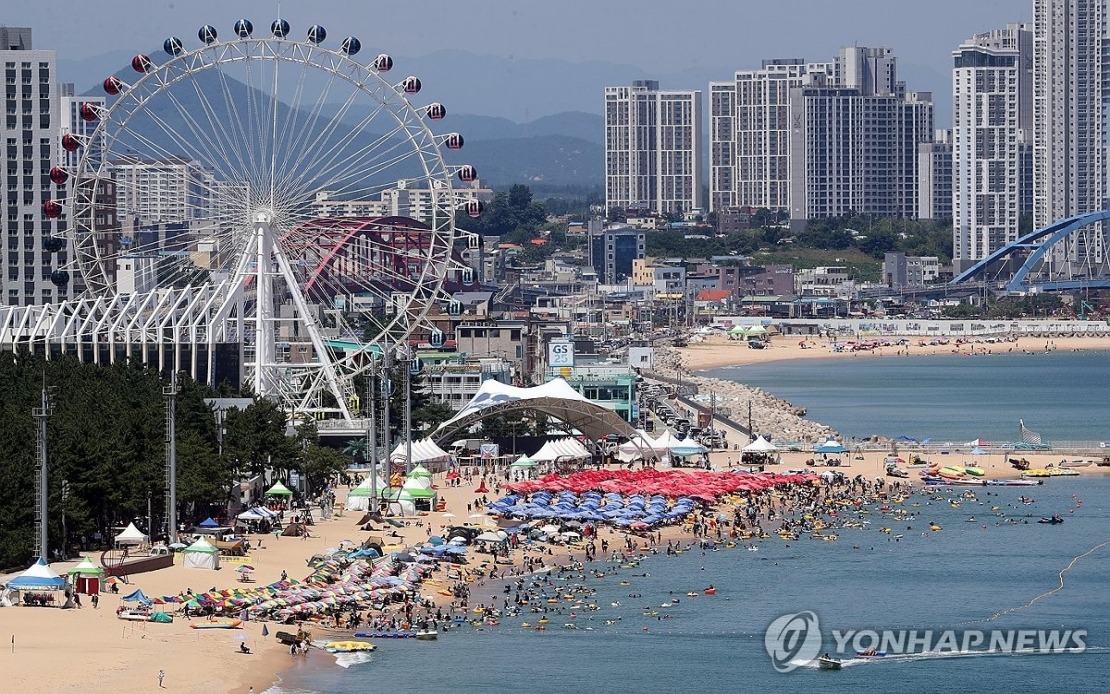
South Korea is battling unprecedented heat as temperatures in the southeastern city of Yangsan soared to 42.5 degrees Celsius on Sunday, shattering the country's highest temperature record since modern meteorological observations began in 1904. The Korea Meteorological Administration registered the extreme reading at 1:26 p.m., just ten minutes after the thermometer first breached the 42-degree mark in the same city, which lies approximately 310 kilometres southeast of Seoul. This milestone represents a stark reminder of how climate patterns are shifting across the Korean Peninsula and, by extension, across neighbouring Southeast Asia, where comparable heat waves have already inflicted significant damage on agriculture, infrastructure, and public health.
The timing of Yangsan's temperature surge carries particular ominous implications. The mercury reached dangerous levels progressively earlier each day as thermal energy continued accumulating in the region, prompting meteorologists to warn that temperatures could potentially exceed 43 degrees Celsius in coming days. Sunday marked the fifth consecutive day that the southeastern city experienced temperatures exceeding 40 degrees, indicating not merely a brief spike but a sustained and intensifying heat event. This pattern reflects the broader shift in extreme weather phenomena that scientists increasingly attribute to climate change, wherein heat waves are becoming more frequent, more intense, and longer-lasting across East and Southeast Asia alike.
Elsewhere across the peninsula, other cities were also grappling with dangerous conditions. Gyeongju, situated roughly 240 kilometres southeast of Seoul, recorded 40.2 degrees Celsius by mid-afternoon on the same day. This measurement holds particular significance as it marked the city's first time breaching the 40-degree threshold in 2024 and represented the highest temperature registered there in eight years, since 2016 when readings peaked at 39.8 degrees Celsius. The geographic concentration of record-breaking temperatures in South Korea's southeastern region suggests that localised atmospheric conditions are compounding the nationwide heat wave, creating pockets of extreme danger where vulnerable populations face heightened health risks.
Recognising the severity of the crisis, the South Korean government activated emergency protocols to mobilise comprehensive disaster response mechanisms. At 1 p.m. on Sunday, authorities elevated the crisis management system to "Level 2" emergency operation status, signalling heightened coordination across government agencies to address the escalating threat. Prime Minister Han Seong-sook issued direct orders instructing all relevant ministries and provincial government bodies to prioritise safety inspections targeting heat-vulnerable populations, including the elderly, young children, and individuals with chronic health conditions. Simultaneously, officials worked to ensure uninterrupted supply chains for electricity and water, recognising that infrastructure strain during extreme heat episodes can trigger cascading failures that compromise public welfare.
Public health authorities issued explicit guidance advising citizens to minimise outdoor exposure and observe stringent precautions. These measures underscore the genuine danger that such temperatures pose to human physiology, as prolonged exposure to heat exceeding 40 degrees can rapidly lead to heat exhaustion, heat stroke, and other life-threatening conditions. The government's decision to issue these warnings reflects lessons learned from previous heat waves across the region, where inadequate preparation and delayed response mechanisms resulted in preventable casualties. For Malaysian observers, this South Korean situation offers cautionary lessons; while Malaysia's tropical climate means residents are accustomed to high ambient temperatures, the phenomenon of sustained heat waves combining elevated temperatures with high humidity could pose serious challenges to public health infrastructure that may not be optimally prepared for such sustained crises.
The historical significance of South Korea's current temperature record warrants emphasis. By surpassing all measurements recorded across the Korea Meteorological Administration's network of 97 long-term observation stations over the past 120 years, this event represents a qualitative departure from historical climate patterns. The fact that previous records have been progressively broken in recent years rather than remaining stable across decades indicates an accelerating warming trend. This pattern mirrors observations across much of Asia, where countries from Japan to Southeast Asia have similarly experienced unprecedented heat events with increasing frequency. For the region broadly, this suggests that infrastructure, agriculture, and public health systems designed around historical climate parameters may require fundamental reassessment.
The implications for Southeast Asian nations extend beyond mere meteorological interest. South Korea's ongoing heat crisis illustrates how climate change operates across political and geographic boundaries, affecting major economies and densely populated regions simultaneously. Southeast Asia, already experiencing significant climate pressures including altered monsoon patterns, rising sea levels, and intensified precipitation events, faces complementary risks from extreme heat. Malaysia and neighbouring countries that depend substantially on agriculture, coastal tourism, and manufacturing sectors could experience comparable economic disruptions if comparable heat waves emerge. Energy demand typically spikes during such episodes as cooling systems operate at maximum capacity, potentially straining electrical grids and elevating costs for vulnerable consumer segments.
The Korean situation also highlights governance challenges in responding to climate-related emergencies. Coordinating responses across multiple government agencies, ensuring equitable access to cooling facilities and emergency services, and maintaining critical infrastructure during extreme stress events all require sophisticated institutional capacity. Malaysian authorities can observe how South Korea's emergency management structures perform under these unprecedented conditions, examining what works effectively and what gaps emerge. Such learning is particularly valuable given that Southeast Asian nations, despite high climate vulnerability, often operate with more constrained resources than developed East Asian economies.
Looking ahead, South Korea's record heat event represents an inflection point in how regional governments conceptualise climate risk and resilience planning. The convergence of multiple factors—sustained high temperatures, geographic concentration of extreme heat, vulnerable populations, and critical infrastructure stress—demonstrates that climate change is no longer an abstract future threat but a present operational challenge requiring immediate policy responses. For Malaysia and Southeast Asia, these developments underscore the urgency of accelerating renewable energy transitions, investing in climate-resilient infrastructure, protecting vulnerable communities through targeted social programmes, and strengthening regional cooperation on climate adaptation. The Korean Peninsula's experience serves as both a warning and a call to action for policymakers across Asia.

