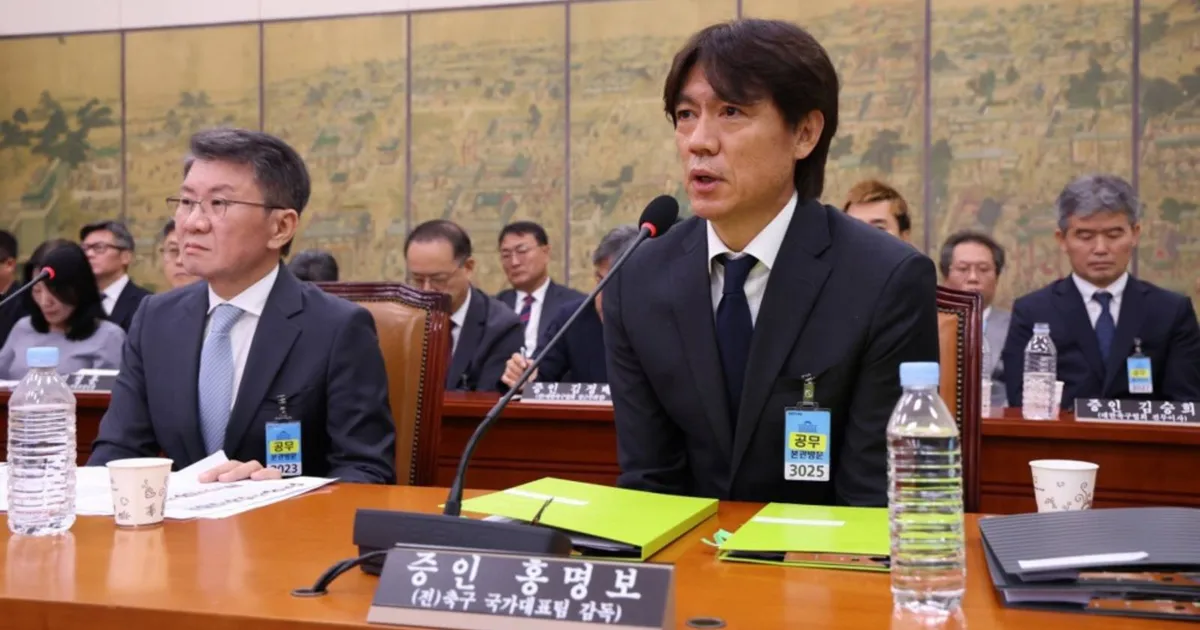
South Korean law enforcement has launched a formal inquiry into the football association's decision-making processes surrounding the hiring of Hong Myung-bo as national coach, with officers conducting raids on the organisation's offices to gather evidence. The investigation centres on allegations that the appointment procedure violated operational guidelines, specifically examining claims that certain parties obstructed normal business functions during the selection process.
The scrutiny comes in the aftermath of South Korea's underwhelming performance at the most recent World Cup tournament, where the team's results fell significantly short of public and institutional expectations. This poor showing appears to have triggered questions about how the federation's leadership arrived at the decision to appoint Hong, prompting authorities to examine whether the process was conducted transparently and in accordance with established protocols.
Hong Myung-bo, a former international player with considerable experience in the sport, saw his appointment become controversial almost immediately. Rather than being viewed as a straightforward managerial decision, critics and observers began questioning whether the selection had involved irregularities that circumvented normal procedural safeguards. The combination of the World Cup disappointment and concerns about the appointment process created a perfect storm of controversy that ultimately drew official government attention.
The decision by authorities to conduct raids suggests that the investigation has moved beyond preliminary inquiries into territory where investigators believe there is sufficient cause to search for physical evidence or documentation. Such action indicates that the allegations are being taken seriously at an institutional level and that authorities believe concrete evidence exists within the association's premises that could shed light on the circumstances surrounding Hong's hiring.
For Malaysian sports enthusiasts and administrators, this development offers a cautionary tale about governance and transparency in football administration. Southeast Asia's football bodies operate within different cultural and institutional contexts than South Korea, yet the principle of maintaining clear appointment procedures and public accountability applies universally. The case highlights how major sporting decisions can attract unwanted scrutiny when performance falters and questions about process arise simultaneously.
The obstructing business allegation specifically suggests that someone within the decision-making chain may have prevented proper procedures from being followed or prevented other officials from fulfilling their duties during the appointment process. This could range from excluding certain board members from consultation to manipulating information presented to decision-makers, though the specific details remain unclear as the investigation continues.
South Korean football has long operated under intense public pressure due to the nation's status as one of Asia's strongest footballing powers. The World Cup campaign that triggered these questions did not meet the standards fans and administrators had come to expect, creating an environment where institutional failures became subject to intense examination. Under such circumstances, even routine administrative decisions can become targets for scrutiny when results disappoint.
The investigation also raises broader questions about how sports organisations balance autonomy with public accountability. While football associations typically operate with considerable independence in personnel matters, this case demonstrates that when significant public resources have been invested and national expectations remain high, authorities may intervene if procedural irregularities are suspected. The threshold for such intervention appears to have been crossed in this instance.
The raid represents a notable escalation in what began as public and media criticism of the appointment decision. The transition from editorial questioning to formal police investigation suggests that complaints filed by stakeholders within the football community carried sufficient weight to convince prosecutorial authorities that criminal conduct warranted investigation. This progression underscores how disputes within sports governance can evolve into matters involving the wider legal system.
For Hong Myung-bo personally, the investigation casts a shadow over his tenure regardless of whether any wrongdoing is ultimately proven. Even if the appointment process was entirely appropriate, the existence of a police investigation into the circumstances of his hiring creates a difficult political environment. Future decisions about his continuation in the position will now be influenced not solely by sporting performance but by the outcome of this legal proceeding.
The broader South Korean sporting establishment will be watching this investigation closely, as its findings may establish precedents for how other national federations handle controversial administrative decisions. If the investigation concludes that serious violations occurred, it could prompt wider reforms across Korean sports governance structures. Conversely, if investigators find no basis for prosecution, it may reinforce arguments that such matters should remain within the sports community rather than drawing law enforcement involvement.
Regional observers in Southeast Asia will note how robustly South Korean institutions have responded to perceived governance failures in sports. The willingness to deploy police resources suggests a commitment to investigating potential impropriety that contrasts with approaches taken in some other Asian countries, where political or business considerations might suppress such inquiries. This institutional strength, though creating difficulties for those involved, ultimately serves to maintain public confidence in governance systems.

