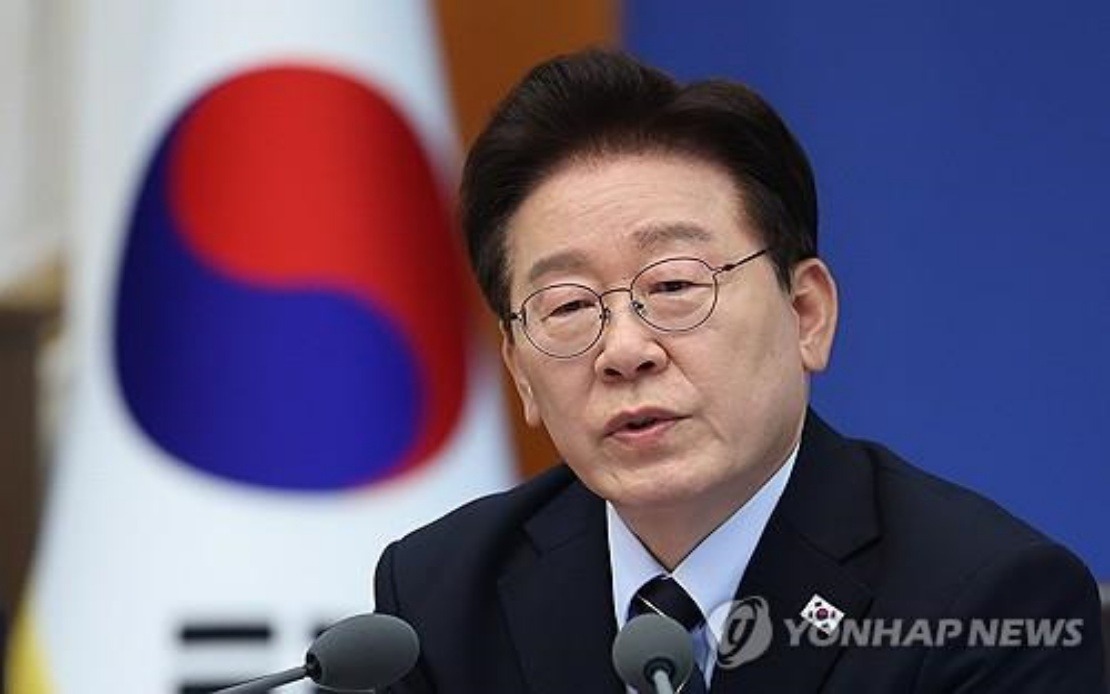
South Korea's leadership is pursuing an ambitious overhaul of its military structure that would fundamentally reshape how the country approaches national defence amid changing demographic realities. During a Thursday meeting at Cheong Wa Dae, President Lee Jae Myung directed his senior advisors to accelerate defence reforms centred on developing a "smart" military powered by cutting-edge technology and systems, moving away from the country's historically manpower-intensive model that has long relied on conscription to fill ranks.
The strategic pivot reflects deep concerns within Seoul's policymaking circles about the sustainability of current defence arrangements. South Korea's persistently low birth rate—one of the world's lowest—creates an existential challenge for a conscription system that has long depended on a steady stream of young men to maintain military strength. The government recognises that simply maintaining the status quo is neither feasible nor desirable, as population projections suggest the pool of conscription-eligible males will continue contracting in coming decades, threatening to undermine force readiness unless alternatives are developed.
Under existing arrangements, all able-bodied South Korean men must complete at least eighteen months of military service, with some individuals exempted or assigned to alternative forms of service instead. This framework, which has endured for generations, reflects both strategic necessity given the ongoing division of the Korean peninsula and Cold War-era assumptions about military organisation. Yet Lee's proposed reforms signal a recognition that this model requires fundamental reimagining to remain viable in the twenty-first century.
The president's emphasis on "selective conscription" represents a deliberate policy choice to shift towards a smaller, more professionally trained military force equipped with superior technology rather than relying on numerical superiority through mass recruitment. This approach mirrors trends visible in other advanced economies that have moved toward more technologically sophisticated defence capabilities requiring specialised personnel. By concentrating resources on elite units and advanced systems, South Korea could theoretically maintain strategic deterrence with fewer overall personnel while reducing the burden on younger generations facing already challenging economic and social circumstances.
Crucially, Lee framed military service reform not merely as a defence necessity but as a quality-of-life issue affecting the nation's youth. He acknowledged widespread concerns that military conscription represents wasted time and forgone economic opportunity, particularly for a generation facing intense competitive pressures in education and employment markets. This political sensitivity reflects broader anxieties in South Korean society about demographic decline and generational burden-sharing, where mandatory military service intersects with marriage rates, birth decisions, and career trajectories.
To address these concerns, the government intends to restructure military service arrangements so that conscription contributes positively to individuals' life prospects rather than detracting from them. Lee called for policies ensuring that military service leads to employment opportunities, educational advancement, and wealth accumulation—transforming conscription from perceived liability into genuine career-building experience. This reframing attempts to address recruitment challenges by making service more attractive to those who might otherwise view it primarily as an interruption to their civilian aspirations.
For Malaysia and other Southeast Asian nations watching South Korea's example, these defence reforms carry particular relevance. Like South Korea, several countries in the region grapple with balancing mandatory military service requirements against economic competitiveness and demographic pressures. Malaysia's own conscription debates, periodic discussions about national service obligations, and concerns about defence modernisation amid fiscal constraints find parallels in Seoul's current deliberations. The Korean approach of coupling military reform with explicit attention to personnel welfare and career development offers a template worth examining.
Beyond conscription restructuring, Lee devoted substantial attention to housing policy, signalling how defence and domestic concerns intertwine within government planning. He announced plans to supply over 230,000 additional homes in the Seoul metropolitan area, accelerating development on public land, relaxing some greenbelt restrictions, and supporting private-sector construction. This housing initiative reflects recognition that defence sustainability depends partly on broader societal conditions—including whether young citizens feel they have viable futures worth defending and whether they can afford to form families and raise the next generation of citizens.
The government's housing strategy targets bottlenecks that have accumulated since 2022, when permits were significantly reduced and construction starts declined sharply. Lee identified this regulatory tightening as having created an artificial housing shortage, requiring extraordinary corrective measures. By shortening permit procedures, securing additional land through potential legislative changes, and facilitating private development, Seoul aims to increase housing supply and potentially ease financial pressures on young households considering military service and family formation.
These interconnected policy initiatives reveal how modern defence challenges cannot be addressed through military measures alone. South Korea's recognition that attracting conscripts requires offering genuine life prospects—including housing security, employment opportunities, and educational advancement—represents sophisticated policymaking integrating demographic, economic, and strategic concerns. The emphasis on technological sophistication and selective recruitment, combined with efforts to improve conscripts' economic circumstances, suggests Seoul is preparing its defence establishment for a future fundamentally different from the mass-conscription model that has served since the Korean War.
For regional observers, South Korea's approach demonstrates how developed democracies adapt defence arrangements to demographic and economic realities while maintaining strategic capabilities. The Korean model suggests that technological advancement and professional military structures, properly resourced and supported by broader social policies promoting youth welfare, may provide sustainable alternatives to traditional mass conscription in aging societies. As Southeast Asian nations contemplate their own defence modernisation and recruitment challenges, Seoul's experience offers valuable lessons about integrating military planning with demographic management and quality-of-life considerations.

