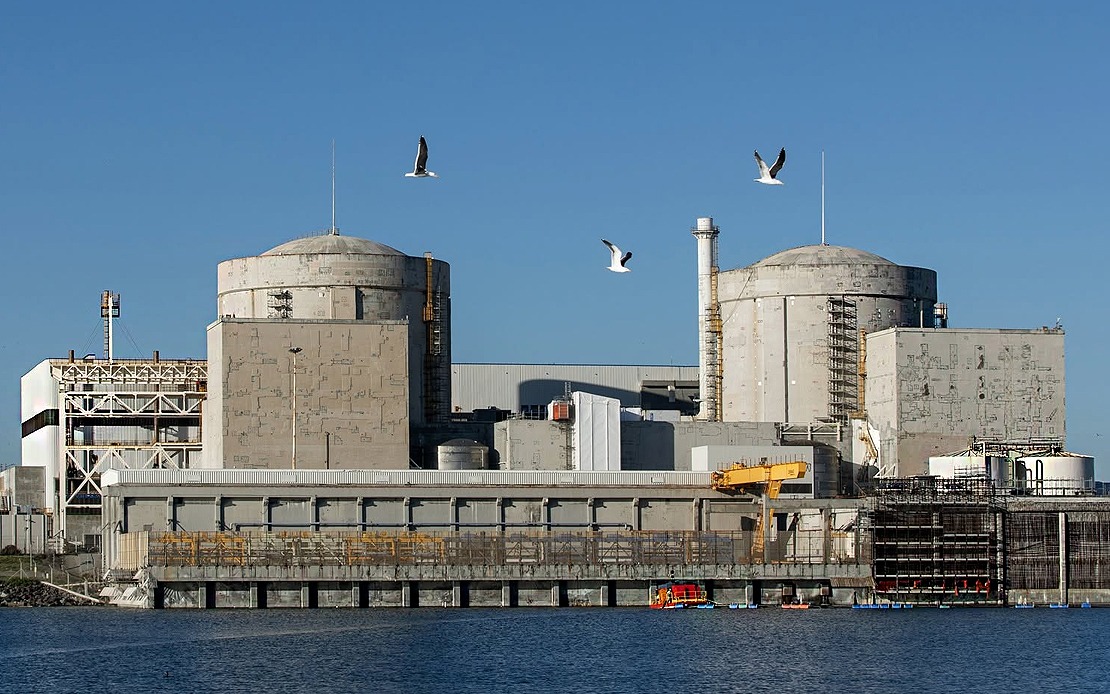
South Africa's Koeberg Nuclear Power Station has confirmed that several workers were exposed to radiation during three separate maintenance incidents within a two-week period, according to Energy Minister Kgosientsho Ramokgopa during a media briefing on Sunday. The occurrences took place on June 30 and July 2 and 7 at the facility, which sits approximately 30 kilometres north of Cape Town. While the incidents have drawn scrutiny, officials maintain that containment measures functioned as designed and that public safety was never compromised.
Ramokgopa attributed the exposures to a temporary power outage that temporarily disabled the plant's ventilation systems, a critical safety mechanism that prevents the accumulation of radioactive particles. The minister characterised the radiation doses absorbed by affected workers as significantly lower than the exposure that patients routinely receive during a dental X-ray examination—a comparison intended to contextualise the incident for public understanding. This assessment underscores the difference between measurable radiation exposure and levels considered hazardous to human health.
Velaphi Ntuli, head of South Africa's nuclear safety division, stated that none of the three incidents crossed the threshold that would trigger mandatory reporting requirements under nuclear safety regulations. This classification reflects the regulatory framework's technical determination that the events, while noteworthy for operational analysis, did not constitute breaches of safety protocols. The government stressed that no radioactive material was released into the surrounding environment, which would have represented a more serious escalation.
The incident reveals structural vulnerabilities in the facility's resilience to power disruptions. Although South Africa's grid has become progressively unreliable over the past decade due to ageing coal infrastructure and insufficient investment, the Koeberg plant demonstrated that even brief utility failures can trigger operational challenges in sensitive systems. The ventilation disruption, though managed without catastrophic consequence, highlights the interdependence between conventional grid stability and nuclear facility safety protocols.
South Africa's nuclear energy strategy carries particular significance for the southern African region, as the country grapples with one of the developing world's most acute electricity crises. Persistent rolling blackouts have crippled economic activity, forced manufacturing shutdowns, and destabilised supply chains throughout the region—impacts felt acutely in neighbouring states dependent on South African imports and energy supplies. The government has positioned nuclear expansion as essential to breaking this gridlock.
The government's ambitious roadmap calls for adding 5.2 gigawatts of nuclear generating capacity by 2039, representing a substantial escalation from the country's current nuclear footprint. This expansion faces significant public opposition and concerns about financing, safety culture, waste management, and the lengthy construction timelines that plague nuclear projects globally. The recent radiation incidents, however modest in severity, inevitably intensify public anxiety about whether South African regulatory oversight and operational standards are equal to expanded nuclear ambitions.
Currently, South Africa's electricity generation depends overwhelmingly on coal, which supplies roughly 80 per cent of the nation's power. This concentration creates both environmental and economic vulnerabilities—coal plants are ageing, maintenance backlogs are severe, and international pressure to phase out fossil fuels is mounting. The transition away from coal represents one of the defining energy policy challenges of the coming decade, particularly for an upper-middle-income nation attempting to maintain industrial competitiveness while reducing carbon emissions.
The government's long-term climate commitment envisions decarbonising South Africa's electricity generation almost entirely by 2050, with renewable energy and nuclear power forming the backbone of this cleaner system. However, the pathway between current coal dependency and that 2050 target remains contested and under-resourced. Nuclear expansion advocates argue that baseload power from nuclear plants is essential during the transition period when variable renewables cannot yet anchor the grid reliably.
For Malaysian and broader Southeast Asian observers, South Africa's nuclear expansion plans carry instructive lessons. Several nations in the region, including Vietnam and Thailand, have considered or explored nuclear development as part of energy diversification strategies. The Koeberg incidents, while properly contained and managed, exemplify the regulatory vigilance and public communication challenges that inevitably accompany nuclear energy deployment in developing-world contexts. The comparative advantage of mature regulatory frameworks and established nuclear safety cultures cannot be underestimated when assessing expansion feasibility.
The incidents also underscore how electricity system fragility in emerging markets can cascade into unexpected safety complications. Southeast Asia's own grid vulnerabilities—driven by rapid demand growth, infrastructure gaps, and climate impacts on hydro capacity—create analogous risks. Malaysia's diversified energy strategy, incorporating natural gas, hydroelectric, solar, and coal resources, reflects a pragmatic approach to avoiding over-reliance on any single technology or fuel source, a calculus that South Africa may come to regret in hindsight.

