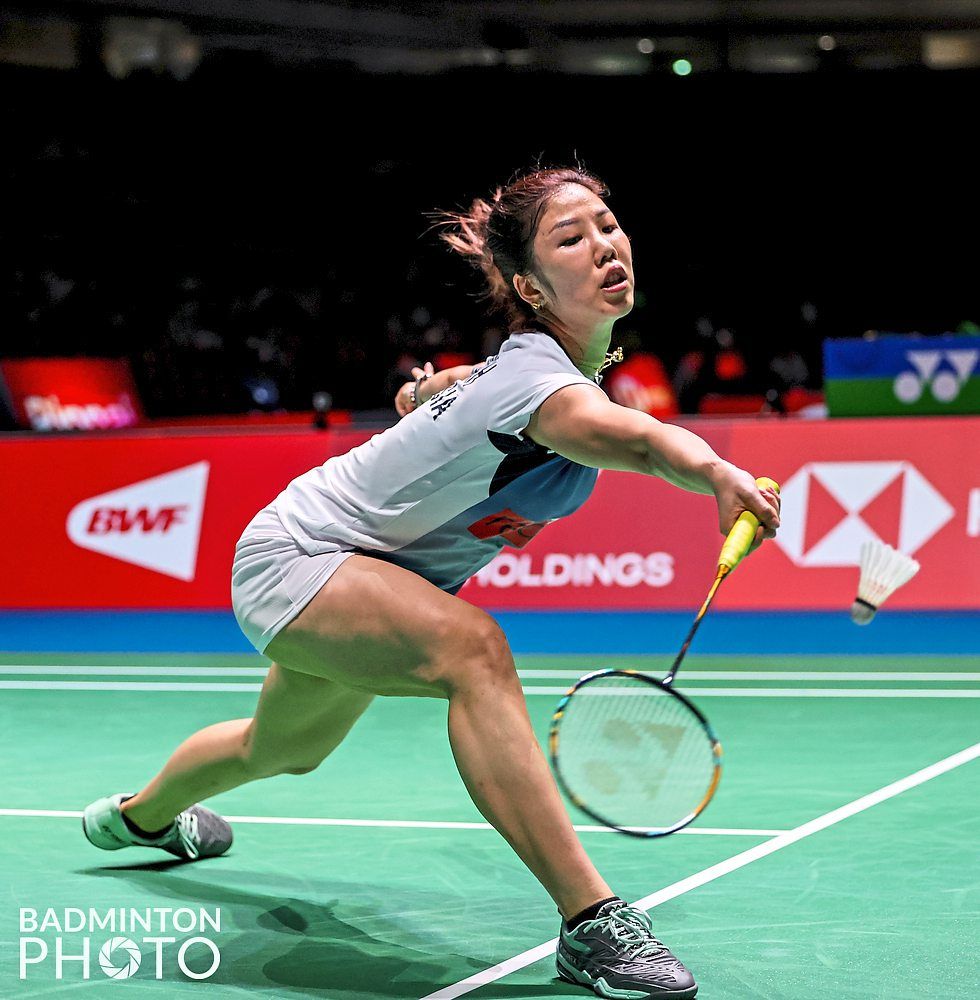
Former national women's singles shuttler Soniia Cheah has ended her tenure as sports director of the Kuala Lumpur Badminton Association (KLBA) after less than four months in the position, effective from Wednesday. The departure marks an abrupt conclusion to what was initially planned as a year-long engagement, raising questions about the dynamics within one of Malaysia's premier badminton bodies responsible for developing young talent in the capital.
Cheah, who was appointed to the sports director role in February this year, declined to provide exhaustive details about her departure but acknowledged that the decision came only after thorough reflection. While she refrained from directing criticism at any particular individual, she made clear that her resignation stemmed from her inability to reconcile her personal values with certain operational matters within the KLBA. The 33-year-old's statement suggests underlying governance or management issues at the association that proved incompatible with her vision for how the organisation should function.
In her statement, Cheah underscored that the misalignment between her professional principles and the association's practices had become untenable. She framed her concerns not as personal grievances but as broader matters requiring institutional attention, indicating that she believes the KLBA needs to undertake a critical review of its operations. Her emphasis on the association's responsibility to examine these issues suggests that she views her departure as potentially catalytic—a moment that might prompt the KLBA to reassess its direction and priorities.
Cheah's commitment to the sport and its future generation clearly influenced her decision-making process. She articulated that stepping aside, rather than continuing to work within circumstances she found compromising, represented the more principled course of action. For an individual with her pedigree and personal standards, remaining in a position while suppressing her convictions would have been inconsistent with her professional integrity. Her willingness to forgo a contracted position demonstrates the seriousness with which she approaches her role in badminton's development ecosystem.
The timing of her departure is particularly notable given that her final official assignment coincided with the Affin 100Plus Junior Elite Tour Finals at Stadium Juara in Bukit Kiara the previous week. This provided a natural juncture for her to step away, having overseen the Kuala Lumpur contingent through a significant junior competition. The fact that this event marked her exit point suggests that she fulfilled her commitments to the players under her charge before initiating her departure.
Cheah's track record as an athlete lends considerable weight to her concerns about the association. As Malaysia's number one women's singles shuttler during her competitive career, she represented the country at the Tokyo Olympics, placing her among the nation's elite badminton representatives. Her perspective on what constitutes proper standards within the sport comes from direct experience at the highest competitive levels, making her observations about the KLBA's operations particularly credible within badminton circles.
The circumstances of her retirement from competitive play add further context to her current stance. After years of representing Malaysia at international tournaments, Cheah ultimately stepped away from competition in 2022 due to a persistent Achilles tendon injury. This transition from player to administrator represented her attempt to remain actively involved in badminton's development, a natural progression for many former athletes who wish to contribute to their sport's future. Her brief tenure as sports director, however, suggests that the administrative pathway proved incompatible with her values in ways she had not anticipated.
The KLBA's situation now requires urgent attention, particularly regarding talent development infrastructure and governance practices. As the organisation responsible for nurturing junior and senior badminton players in Kuala Lumpur, institutional stability and clear operational standards are essential. The loss of an experienced administrator with national-level competition credentials may create a temporary gap in leadership during a period when the association should be consolidating its programmes and supporting its athletes effectively.
For Malaysian badminton more broadly, this resignation carries implications beyond the KLBA's immediate organisational challenges. When experienced former athletes choose to depart from administrative roles citing principle-related concerns, it signals that there may be systemic issues within badminton governance that deserve wider examination. Such departures can reflect broader patterns in sports administration that extend across multiple associations and federations, potentially indicating that structural reforms may be necessary across the badminton ecosystem.
Cheah's expression of gratitude toward the players she worked with, despite her brief tenure, underscores her primary concern: ensuring that young badminton talent in Kuala Lumpur receives the support and guidance they deserve. Her hope that her departure might catalyse positive institutional change reflects a commitment to the sport that transcends her personal role. Whether the KLBA responds to her implicit call for review and reform will become evident in the coming months as the association proceeds without her leadership.

