The Social Work Profession Bill 2026 was formally presented to Parliament on July 13, representing a pivotal moment for thousands of Malaysian social workers whose professional standing has long lacked statutory recognition. The Malaysian Association of Social Workers (MASW) hailed the tabling as transformative legislation that will establish formal legal frameworks governing the social work profession across the country. This development concludes more than a decade of sustained advocacy and collaborative effort involving professional bodies, educators, and practitioners from both public and private sectors.
The significance of this legislative step extends beyond symbolic recognition. MASW President Dr Teoh Ai Hua underscored that the bill affirms the principle that Malaysian citizens' protection, welfare, and human dignity must be safeguarded by a professionally competent and ethically accountable workforce. By embedding these standards into law, the bill seeks to elevate service quality across Malaysia's sprawling social protection ecosystem, which encompasses child welfare, elderly care, family services, mental health support, and community development programmes. The legislation thus functions as both a professional milestone and a public accountability mechanism.
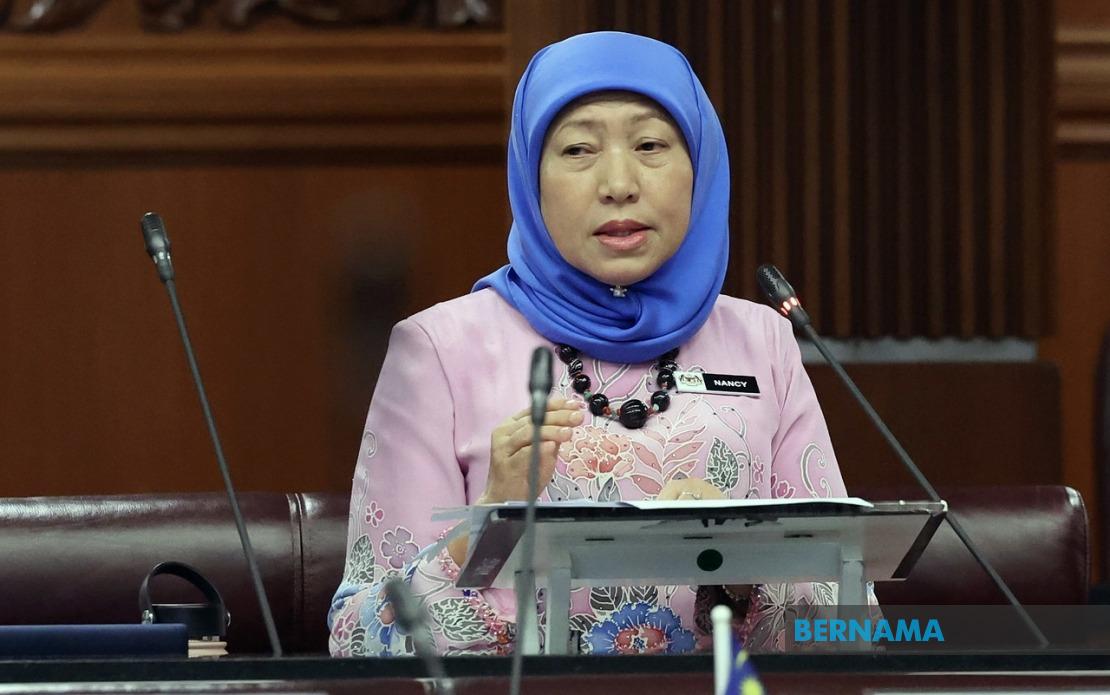
Minister for Women, Family and Community Development Datuk Seri Nancy Shukri has been instrumental in shepherding this bill through the parliamentary process. MASW's public acknowledgement of the ministry's sustained commitment reflects the collaborative relationship between government and professional associations in refining social policy. This partnership model is instructive for Malaysia's broader governance agenda, demonstrating how statutory bodies and professional organisations can work synergistically to advance sectoral development. The ministry's ownership of this initiative signals government recognition that social work requires professionalisation comparable to law, medicine, and engineering.
One critical dimension of this bill involves alignment with international best practices and regional commitments. Malaysia will now position itself in accordance with the Ha Noi Declaration on Strengthening Social Work towards a Cohesive and Responsive ASEAN Community, adopted in 2020. Additionally, the legislation incorporates principles established by the Global Standards for Social Work Education and Training, developed jointly by the International Association of Schools of Social Work (IASSW) and the International Federation of Social Workers (IFSW). This international orientation matters significantly for Southeast Asia, where Malaysia's regulatory standards will influence neighbouring nations' approaches to social work professionalisation and contribute to harmonising regional practices.
The drafting process itself spanned more than thirteen years, commencing in 2010 with extensive consultations involving MASW leadership, academic institutions offering social work programmes, and practitioners across government agencies and civil society organisations. This protracted development period reflects the complexity of creating legislation that balances professional interests with public service objectives and accommodates Malaysia's diverse social, cultural, and economic contexts. The Technical Committee and Special Project Team overseeing this work incorporated feedback from frontline practitioners who understand implementation challenges that abstract legislative frameworks often overlook.
MAQsW Vice-President Dr Mohd Iqbal Haqim Mohd Nor characterised the bill's tabling as converting years of professional advocacy into concrete institutional progress. This framing highlights the frustration many social workers have experienced operating without statutory professional recognition, despite managing complex interventions affecting vulnerable populations. Once enacted, the bill will establish registration requirements, professional standards, ethical codes, and disciplinary mechanisms—institutional scaffolding that currently remains absent. For social workers themselves, this represents vindication of their sustained collective voice and demonstrates that persistent professional organising within Malaysia's democratic frameworks can yield substantive policy outcomes.
The bill's passage through Parliament will not be automatic. MASW honorary secretary Amy Bala explicitly urged Members of Parliament to engage thoroughly during parliamentary debates and deliberations, recognising that legislative refinement during this phase can strengthen final provisions. This appeal suggests MASW's awareness that social work legislation must incorporate diverse stakeholder perspectives—not merely professional interests, but also government efficiency considerations, civil society sector concerns, and public expectations regarding social service quality. The open invitation for constructive parliamentary engagement contrasts with more adversarial professional positioning and reflects confidence in the bill's underlying merit.
Implementation will present distinct challenges requiring sustained attention beyond legislative passage. Bala's emphasis on adequate resource allocation and transparency suggests awareness that regulatory frameworks remain inert without supporting infrastructure. Establishing a professional registration body, developing examination and certification systems, and creating enforcement mechanisms will demand government investment and commitment. Malaysia's experience with other regulated professions offers instructive lessons—regulatory bodies require sufficient funding, technical expertise, and political support to function effectively and maintain public confidence. The social work sector, historically underfunded relative to its population reach, will require careful resource planning.
For Malaysian citizens, professionalisation of social work carries direct implications. Regulated standards should enhance service consistency and quality across geographic regions and service types, reducing disparities between urban and rural social services. Enforceable ethical codes provide citizens recourse against incompetent or unethical practitioners, strengthening accountability. Professional registration creates transparent credentialing systems that help vulnerable individuals and families identify qualified practitioners and service providers. These protections prove particularly important given social work's engagement with Malaysia's most marginalised populations—children in care systems, victims of domestic violence, persons experiencing homelessness, individuals with mental health conditions, and elderly citizens requiring protective interventions.
The bill's implications extend into Malaysia's broader development architecture. As the nation advances towards high-income status, sophisticated social protection systems become increasingly essential for managing inequality, supporting vulnerable transitions, and maintaining social cohesion. Professional social work represents a critical component of such systems, complementing healthcare, education, and economic development initiatives. Nations that have invested heavily in professionalising social work—Canada, Australia, Scandinavia—consistently demonstrate stronger social indicators and more equitable development outcomes. Malaysia's legislative step positions the country to access this experience and pursue evidence-based approaches to social protection.
Regional dimensions merit consideration as well. ASEAN member states vary significantly in social work professionalisation levels and regulation approaches. Malaysia's advancement in this area could establish regional leadership while creating opportunities for knowledge-sharing and professional mobility across ASEAN. As the region experiences urbanisation, demographic ageing, and evolving family structures, demand for professional social services will intensify. A legally recognised Malaysian social work profession, aligned with international standards and contributing to ASEAN's collective development agenda, enhances the region's capacity to address shared social challenges.
The journey from 2010 conception to 2026 parliamentary tabling demonstrates Malaysia's capacity for sustained policy development on complex sectoral issues. Yet the legislative milestone represents merely one threshold. The subsequent phases—parliamentary passage, detailed implementation planning, resource allocation, institutional capacity-building, and operational enforcement—will determine whether this bill meaningfully enhances social protection quality or remains largely symbolic. Success requires sustained coordination among government ministries, MASW and allied professional associations, educational institutions, civil society organisations, and affected communities. The coming months will reveal whether Malaysia's political system can mobilise the necessary commitment and resources to transform legislative recognition into tangible improvements in social service delivery.

